Key Concepts
Prelim Engagement
Introduction
In this section we will explore some of the less common but critically important communicable diseases. We will focus on three categories of diseases:
- Neglected Tropical Diseases (NTDs)
- Diarrheal Diseases
- Emerging and Re-Emerging Infectious Diseases
We will conclude with some information about the current pandemic caused by an Emerging Infectious Disease known as Covid 19.
What are NTDs and where can be found
Neglected Tropical Diseases or NTDs are often referred to as the diseases which affect effect the ‘bottom billion’ of the world’s poorest populations because that is where they are (but not always) found to be the most prevalent. According to the WHO criteria for classification, NTDs are diseases, disorders, or conditions that:
- disproportionately affect poor and marginalized populations, causing important morbidity and mortality, therefore justifying a global response;
- mainly affect, but are not limited to, communities living in tropical and subtropical areas, especially those far from healthcare settings;
- can be prevented and controlled by public health interventions; and
- are relatively neglected by scientific research and public/private funding, compared to the magnitude of the health problem [1].
Based on the above criteria, WHO currently focuses on a diverse group of 20 diseases and disease groups, caused by (lyssa- and arbo-)virus, bacteria, fungi, parasites (protozoa and helminths), and toxins (snake bite envenoming) all of global public health importance. We encourage you to pick one of the NTDs listed below and explore it in more detail.
List of 20 Neglected Tropical Diseases (NTDs)
Chagas disease (American trypanosomiasis) →
Dracunculiasis (Guinea-worm disease) →
Foodborne trematode infections →
Human African trypanosomiasis (sleeping sickness) →
Lymphatic filariasis (Elephantiasis) →
Mycetoma, chromoblastomycosis and other deep mycoses →
Onchocerciasis (river blindness) →
Scabies and other ectoparasitoses →
Soil-transmitted helminthiases →
Yaws (Endemic treponematoses) →
The vast majority of NTDs are prevalent in tropical and subtropical regions of Africa, America, Asia, and Oceania. However, some of them historically extend beyond these borders. For example, leishmaniasis, cystic echinococcosis, and alveolar echinococcosis are historically endemic in Europe [3,4]. The occurrence of NTDs’ presence out of core endemic areas can be attributed to global societal and climatic changes. Events such as human migration, international travel, animal movements and trade, food trade, economic downturns, and climate changes may extend the areas of presence of pathogens causing NTDs, their mammalian hosts, the transmission season, and competence of vectors, spreading NTDs worldwide.
Main challenges, successes, and failures during last two decades
A major part of the success in reducing the health, social, and economic burden of NTDs can be attributed to the historical implementation of integrated programmes of mass drug administration (MDA, also referred to as preventive chemotherapy) focusing on single use or combination of mainly 5 drugs (albendazole or mebendazole, ivermectin, praziquantel, and azithromycin) targeting major soil-transmitted helminthiases (STHs; ascariasis, trichuriasis, ancylostomiasis, necatoriasis), lymphatic filariasis, onchocerciasis, schistosomiasis, and trachoma.
Since 2011, over 20 billion doses of quality-assured medicines for MDA were donated by the pharmaceutical companies to endemic countries to support control and elimination of NTDs, and more than 1 billion people/year have been treated for at least one disease for 5 consecutive years (2015 to 2019) [10]. Thanks to scale-up of interventions and progress made during the last decades, there are now 5 NTDs whose eradication, elimination, or elimination as a public health problem is on the horizon:
- dracunculiasis,
- gambiense form of Human African Trypanosomiasis (HAT),
- lymphatic filariasis,
- trachoma, and
- yaws
Dracunculiasis is, in theory, not far from eradication, with only 54 human cases reported in 4 countries in 2019 and 24 cases reported until end of November 2020 [12]. However, the recent finding of a genetically identical Guinea worm population, which infect both human and dogs, seems to rise complications in this public health effort [13].
During 2012 to 2019, thanks to improved surveillance, case detection, treatment, and vector control, the annual number of human HAT (mainly the gambiense form) has dropped from over 7,000 cases to 980.
A prevalence reduction of 74% of lymphatic filariasis was achieved during the period 2000 to 2018 [14], thanks to support by the Global Programme to Eliminate Lymphatic Filariasis (GPELF). Lymphatic filariasis has now been eliminated as a public health problem in 17 countries and trachoma in 10 countries [11].
Between 2002 and 2020, the implementation of the SAFE strategy for trachoma has decreased by 91% the population requiring antibiotics, facial cleanliness, and environmental improvement for this disease [15].
For yaws, a new eradication strategy based on community interventions, also known as Morges strategy, was launched in 2012 after the finding that a single dose of oral azithromycin is at least as efficacious as intramuscular penicillin in achieving cure [16,17].
Onchocerciasis has further reduced its burden during the period 2005 to 2017 under the African Programme for Onchocerciasis Control (APOC). In the Americas, transmission interruption was verified by WHO in 4 Latin American countries, with low levels of transmission persisting in Brazil and Venezuela [18,19].
The main goal for the control of the 2 major forms of schistosomiasis (intestinal and urogenital) is to reach by means of praziquantel MDA, more than 75% treatment coverage of school-aged children, at-risk adults, and communities living in highly endemic areas [20]. In 2019, 77.8 million people (64.9 million school-aged children and 12.9 million adults) were treated by MDA for schistosomiasis, corresponding to 34.6% of those in need [21].
Soil Transmitted Helminths (STMs) are among the most common NTDs. Up to now, more than 3.3 billion benzimidazole tablets (albendazole or mebendazole) have been distributed to school-aged children, reaching a coverage level of 60% between 2008 and 2018 [22] and averting over 40% of the disability-adjusted life years (DALYs) lost annually in children in 2015 [23]. MDA integrated campaigns with albendazole and mebendazole were successful in reducing disease prevalence of ascariasis while less effective against hookworm infections (ancylostomiasis, necatoriasis) and trichuriasis. In principle, such low efficacy can be partly overcome by combining either oxantel pamoate or ivermectin [24].
Although human deaths associated to dog-mediated rabies (95% of all-deaths from rabies) are estimated at around 23,500 to 59,000 per year, mostly children younger than 15 years living in Asia and Africa, elimination was achieved in Canada, Western Europe (in 2019, only Poland and Romania were reporting cases in European Union), USA, Japan, and substantial decrease in Latin American countries [25–27]. The highly committed “Zero by 30” global strategic plan to eliminate dog-mediated rabies is now in place, with the aim of guiding effective use of vaccines, medicines, and technologies, and generating both evidence-based guidance and high-quality data for control [28].
Since 2010, total number of new leprosy cases declined by 27% after most endemic countries reached its elimination (defined as a prevalence rate of <1 case on treatment /10,000 population) as a public health [29].
Since 2012, the number of reported cases of visceral leishmaniasis has slightly decreased globally and fallen significantly in Bangladesh, India, and Nepal, where the disease is targeted for elimination as a public health problem [30]. A better access to diagnosis and treatment, coupled with aggressive vector control strategies and elimination initiative in Asia, has led to these results; nevertheless, human conflicts and increased competence of vectors due to global warming have seen the rise of leishmaniasis in many areas, particularly the Middle East and East Africa [30].
During the last decade, the need for surgery for Buruli ulcer (mainstay of treatment before 2005) has declined by 50%, thanks to the availability of an 8-week antibiotic combination therapy [31]. More recently, an open-label Phase III randomized trial supported by WHO demonstrated that Buruli ulcer is curable with an 8-week course of oral rifampicin plus extended-release clarithromycin, the latter drug replacing intramuscular streptomycin that is painful and potentially ototoxic; in addition, surgery is not required in these patients [32].
Sensible but less effective gains were obtained for some other NTDs, globally or in some specific geographic areas such as Latin America or Asia-Pacific region. Although vector control efforts progress in the Southern Cone of South America, challenges remain in the global fight against Chagas disease, which still affects around 6 to 8 million people worldwide, the vast majority in Latin America but also expanding in southern USA and Europe, mainly as nonvectorial transmission. Only 2 medicines are currently available for the treatment of Chagas disease (benznidazole and nifurtimox), both of which present serious side effects; in addition, their efficacy has been proved only during the early acute phase of infection, while benefits in the chronic phase are questionable.
When comparing Global Burden of Disease (GBD) data from 2000 to 2017, NTDs such as foodborne trematode infections, dengue, and echinococcosis are increasing in Asia-Pacific region by 21%, 109%, and 59%, respectively [36].
Food borne trematode infections are losing ground, since a limited portfolio of antiparasitic drugs is available, while less and no systematic efforts have been globally sustained during the past years.
A huge insurgence of dengue in Asia is not unexpected since this arbovirus infection is rising worldwide due to the increase of urbanization in the tropics, adaptation of the main vector to urban environments, and climate changes [37].
Cystic and alveolar echinococcosis are prevalent in worldwide pastoral and rural communities, including medium-high income countries [41]. Apart from a few recent insights in the ultrasound-based prevalence study and disease fine-mapping analysis from large areas for cystic and alveolar echinococcosis, little advances were done for improving their clinical management, diagnostics, and benzimidazolic drugs which are only parasitostatic [4,42,43]. After the historical island-based elimination of cystic echinococcosis (Iceland, New Zealand, and Tasmania), and although a few decades ago a recombinant vaccine (Eg95) targeting the sheep intermediate host was developed, few gains have been obtained at continental level for its control [44].
Ambitious targets for the WHO roadmap 2021–2030
These are the overarching impact-oriented global targets set by WHO in the road map for NTDs 2021–2030 to achieve the Sustainable Development Goals (SDGs) [11].
- Ninety percent reduction in the number of people in need of treatment against NTDs
- 75% reduction in DALYs related to NTDs
- 100 countries having eliminated at least 1 NTD
- At least 2 NTDs eradicated in the world
The new WHO roadmap was developed through an extensive global consultation with NTDs stakeholders that began in 2018 and culminated in the endorsement of the document by 194 Member States at the 73rd World Health Assembly in November 2020 [46].
WHO roadmap 2021–2030 also describes the integrated approaches needed to achieve these targets through cross-cutting activities built on 3 pillars:
(1) accelerate actions aiming at reducing incidence, prevalence, morbidity, disability, and death due to NTDs by means of scientific advances, filling gap knowledge in research, providing new interventions and effective, standardized, and affordable diagnostics.
(2) Intensify cross-cutting approaches by the integrated delivery of interventions that are common to several NTDs, mainstreaming them within national health systems in the context of universal health coverage, and enhancing coordination among stakeholders and related programmes such as WASH or vector control. Examples of these targets include: 75% reduction of deaths due to vector-borne NTDs, 75% MDA-integrated treatment coverage index, 40 countries adopting skin NTDs strategies, and 100% access to basic water supply, sanitation, and hygiene.
(3) Change operating models and culture to facilitate countries to take ownership of their NTD programmes. Examples of these targets include: 90% of endemic countries, collecting and reporting data on NTDs disaggregated by gender.
In the new road map, each NTD is differently targeted for
| Control Strategy | NTD |
| Eradication | Dracunculiasis, yaws |
| Interruption of transmission | HAT–gambiense form, leprosy, onchocerciasis |
| Elimination as a public health problem | Chagas disease, HAT–rhodesiense form, visceral leishmaniasis, lymphatic filariasis, rabies, schistosomiasis, STHs, trachoma |
| Control | Buruli ulcer, dengue and chikungunya, echinococcosis, foodborne trematode infections, cutaneous leishmaniasis, mycetoma, chromoblastomycosis and other deep mycoses, scabies and other ectoparasitoses, snake bite envenoming, taeniasis, cysticercosis |
The future of NTD and the long wave of COVID-19
The ongoing coronavirus disease 2019 (COVID-19) pandemic in tropical and subtropical areas might jeopardize these developments on NTDs. The long wave of COVID-19 is having an impact not only in terms of coinfections between SARS-CoV-2 and all pathogens causing NTDs but also on delay or suspension of MDA and other community-based activities such as health facility services, control programmes, early diagnosis, drug supply, routine surveillance, and population-based surveys [55].
The main public health consequences of these disruptions due to COVID-19 might be identified as an increased mortality and morbidity associated to NTDs and delays in achieving the goals set for the 2021–2030 roadmap on NTDs. On top of all this, a challenging question was raised at the beginning of this pandemic, whether COVID-19 would be the next NTD [56]. According to “People’s Vaccine Alliance,” such question would be reasonable, since it has been estimated that 90% of people from low-income countries would not have access to vaccines against COVID-19 in 2021, while 14% of the world population represented by rich countries have already optioned 53% production of the more promising vaccines [57]. To overcome this vaccine nationalism, the COVAX partnership co-led by the triumvirate Vaccine Alliance (Gavi), the Coalition for Epidemic Preparedness Innovations (CEPI), and WHO is aiming at unbalancing this prediction, providing equitable access to vaccines at 2 billion people for the end of 2021 [58].
It is up to Member States, donors, NGOs, academia, pharmaceutical and diagnostic companies, multilateral organizations, disease experts, implementing partners, and all other stakeholders to align their strategies under the “NTD brand” umbrella and take actions towards their prevention, control, elimination, and eradication. All these programmatic actions underpinning the end of the NTDs are based on the ethical principle that all lives have equal value. In this context, universal health coverage for the bottom billion affected by NTDs remains a global challenge for the years to come
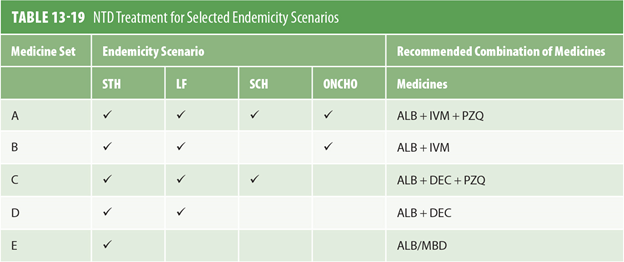
STH = soil-transmitted helminths
The Rapid Impact Package would also include azithromycin to treat trachoma.
Data from Weaver, S. D. (2008). The ABCs of NTDs. Presentation at the USAID Mini-University, September 12, 2008
Challenges related to NTDs
- Chronic helminth infection in children can limit the physical and mental development of the child
- Pregnant women with anemia, commonly caused by hookworm in low-income countries, are 3.5 times more likely to die during childbirth
- Other possible complications: blindness, liver cancer, remarkable swelling, and skin problems
- Increase susceptibility to other infectious diseases
- Social stigma
- Impact on productivity, school attendance, and future wage-earning capacity
Strategies for Addressing NTDs
- Develop Hookworm and schistosomiasis vaccines
- Develop new drugs to combat the NTDs more effectively and combat resistance
- Work with communities to combat underlying risks such as hygiene, unsafe water supply, unsanitary disposal of human waste, and worm and parasite breeding sites
- Rapid-impact package of drugs for the seven most common NTDs
- Importance of public-private partnerships, such as pharmaceutical companies donating the drugs for rapid-impact package
- Periodic deworming of young children is also a “best buy” in global health
- Opportunities to integrate NTD treatment programs with existing HIV and malaria control programs
Diarrheal Diseases
According to the WHO, diarrheal disease is a leading cause of child mortality and morbidity in the world, and mostly results from contaminated food and water sources. Diarrheal disease is the second leading cause of death in children under five years old, and is responsible for killing around 525 000 children every year.
Diarrhea can last several days, and can leave the body without the water and salts that are necessary for survival. In the past, for most people, severe dehydration and fluid loss were the main causes of diarrhea deaths. Now, other causes such as septic bacterial infections are likely to account for an increasing proportion of all diarrhea-associated deaths. Children who are malnourished or have impaired immunity as well as people living with HIV are most at risk of life-threatening diarrhea.
Definition
Diarrhea is defined as the passage of three or more loose or liquid stools per day (or more frequent passage than is normal for the individual). Frequent passing of formed stools is not diarrhea, nor is the passing of loose, “pasty” stools by breastfed babies.
There are three clinical types of diarrhoea:
- acute watery diarrhoea – lasts several hours or days, and includes cholera;
- acute bloody diarrhoea – also called dysentery; and
- persistent diarrhoea – lasts 14 days or longer.
Causes of Diarrhea
Diarrhea is usually a symptom of an infection in the intestinal tract, which can be caused by a variety of bacterial, viral and parasitic organisms. Infection is spread through contaminated food or drinking-water, or from person-to-person as a result of poor hygiene. Worldwide, 780 million individuals lack access to improved drinking-water and 2.5 billion lack improved sanitation. Diarrhea due to infection is widespread throughout developing countries.
Dehydration
The most severe threat posed by diarrhoea is dehydration. During a diarrhoeal episode, water and electrolytes (sodium, chloride, potassium and bicarbonate) are lost through liquid stools, vomit, sweat, urine and breathing. Dehydration occurs when these losses are not replaced.
The degree of dehydration is rated on a scale of three.
- Severe dehydration (at least two of the following signs):
- lethargy/unconsciousness
- sunken eyes
- unable to drink or drink poorly
- skin pinch goes back very slowly ( ≥2 seconds)
- Some dehydration (two or more of the following signs):
- restlessness, irritability
- sunken eyes
- drinks eagerly, thirsty
- No dehydration (not enough signs to classify as some or severe dehydration).
Infection: Diarrhoea is a symptom of infections caused by a host of bacterial, viral and parasitic organisms, most of which are spread by faeces-contaminated water. Infection is more common when there is a shortage of adequate sanitation and hygiene and safe water for drinking, cooking and cleaning. Rotavirus and Escherichia coli, are the two most common etiological agents of moderate-to-severe diarrhoea in low-income countries. Other pathogens such as cryptosporidium and shigella species may also be important. Location-specific etiologic patterns also need to be considered.
Cholera: Cholera is an acute diarrhoeal infection caused by ingestion of food or water contaminated with the bacterium Vibrio cholerae. Cholera remains a global threat to public health and an indicator of inequity and lack of social development. Researchers have estimated that every year, there are roughly 1.3 to 4.0 million cases, and 21 000 to 143 000 deaths worldwide due to cholera. It is interesting to note that historically, during the 19th century, cholera spread across the world from its original reservoir in the Ganges delta in India. Six subsequent pandemics killed millions of people across all continents. The current (seventh) pandemic started in South Asia in 1961, reached Africa in 1971 and the Americas in 1991. Cholera is now endemic in many countries. Some additional information on cholera is as follows:
- Cholera is an acute diarrhoeal disease that can kill within hours if left untreated.
- Researchers have estimated that each year there are 1.3 to 4.0 million cases of cholera, and 21 000 to 143 000 deaths worldwide due to cholera (1)
- Most of those infected will have no or mild symptoms and can be successfully treated with oral rehydration solution.
- Severe cases will need rapid treatment with intravenous fluids and antibiotics.
- Provision of safe water and sanitation is critical to prevent and control the transmission of cholera and other waterborne diseases.
- Oral cholera vaccines should be used in conjunction with improvements in water and sanitation to control cholera outbreaks and for prevention in areas known to be high risk for cholera.
- A global strategy on cholera control, Ending Cholera: a global roadmap to 2030, with a target to reduce cholera deaths by 90% was launched in 2017.
Malnutrition: Children who die from diarrhoea often suffer from underlying malnutrition, which makes them more vulnerable to diarrhoea. Each diarrhoeal episode, in turn, makes their malnutrition even worse. Diarrhoea is a leading cause of malnutrition in children under five years old. In low-income countries, children under three years old experience on average three episodes of diarrhoea every year. Each episode deprives the child of the nutrition necessary for growth. As a result, diarrhoea is a major cause of malnutrition, and malnourished children are more likely to fall ill from diarrhoea.
Food Safety: Unsafe food poses global health threats, endangering everyone. Infants, young children, pregnant women, the elderly and those with an underlying illness are particularly vulnerable. Every year 220 million children contract diarrhoeal diseases and 96 000 die. Unsafe food creates a vicious cycle of diarrhoea and malnutrition, threatening the nutritional status of the most vulnerable. Foodborne illnesses are usually infectious or toxic in nature and caused by bacteria, viruses, parasites or chemical substances entering the body through contaminated food or water. Foodborne pathogens can cause severe diarrhoea or debilitating infections including meningitis.
The burden of foodborne diseases
The burden of foodborne diseases to public health and welfare and to economies has often been underestimated due to underreporting and difficulty to establish causal relationships between food contamination and resulting illness or death.
The 2015 WHO report on the estimates of the global burden of foodborne diseases presented the first-ever estimates of disease burden caused by 31 foodborne agents (bacteria, viruses, parasites, toxins and chemicals) at global and regional level.
The 2018 World Bank report on the economic burden of the foodborne diseases indicated that the total productivity loss associated with foodborne disease in low- and middle-income countries was estimated to cost US$ 95.2 billion per year, and the annual cost of treating foodborne illnesses is estimated at US$ 15 billion.
- WHO estimates of the global burden of foodborne diseases
- World Bank estimates of economic burden of foodborne diseases in low- and middle-income countries
Foodborne diseases may lead to long-lasting disability and death. Examples of unsafe food include uncooked foods of animal origin, fruits and vegetables contaminated with faeces, and raw shellfish containing marine biotoxins.
Causes:
Bacteria:
- Salmonella, Campylobacter, and Enterohaemorrhagic Escherichia coli are among the most common foodborne pathogens that affect millions of people annually – sometimes with severe and fatal outcomes. Symptoms are fever, headache, nausea, vomiting, abdominal pain and diarrhoea. Examples of foods involved in outbreaks of salmonellosis are eggs, poultry and other products of animal origin. Foodborne cases with Campylobacter are mainly caused by raw milk, raw or undercooked poultry and drinking water. Enterohaemorrhagic Escherichia coli is associated with unpasteurized milk, undercooked meat and fresh fruits and vegetables.
- Listeria infection leads to miscarriage in pregnant women or death of newborn babies. Although disease occurrence is relatively low, listeria’s severe and sometimes fatal health consequences, particularly among infants, children and the elderly, count them among the most serious foodborne infections. Listeria is found in unpasteurised dairy products and various ready-to-eat foods and can grow at refrigeration temperatures.
- Vibrio cholerae infects people through contaminated water or food. Symptoms include abdominal pain, vomiting and profuse watery diarrhoea, which may lead to severe dehydration and possibly death. Rice, vegetables, millet gruel and various types of seafood have been implicated in cholera outbreaks.
Antimicrobials:
Antibiotics, are essential to treat infections caused by bacteria. However, their overuse and misuse in veterinary and human medicine has been linked to the emergence and spread of resistant bacteria, rendering the treatment of infectious diseases ineffective in animals and humans. Resistant bacteria enter the food chain through the animals (e.g. Salmonella through chickens). Antimicrobial resistance is one of the main threats to modern medicine.
Viruses:
Norovirus infections are characterized by nausea, explosive vomiting, watery diarrhoea and abdominal pain. Hepatitis A virus can cause long-lasting liver disease and spreads typically through raw or undercooked seafood or contaminated raw produce. Infected food handlers are often the source of food contamination.
Parasites:
Some parasites, such as fish-borne trematodes, are only transmitted through food. Others, for example tapeworms like Echinococcus spp, or Taenia solium, may infect people through food or direct contact with animals. Other parasites, such as Ascaris, Cryptosporidium, Entamoeba histolytica or Giardia, enter the food chain via water or soil and can contaminate fresh produce.
Sanitation
Diarrhoeal disease can also spread from person-to-person, aggravated by poor personal hygiene. Unsafe domestic water storage and handling is also an important risk factor. Fish and seafood from polluted water may also contribute to the disease. Water contaminated with human faeces, for example, from sewage, septic tanks and latrines, is of particular concern. Animal faeces also contain microorganisms that can cause diarrhoea.
In 2010, the UN General Assembly recognized access to safe and clean drinking water and sanitation as a human right, and called for international efforts to help countries to provide safe, clean, accessible and affordable drinking water and sanitation.
Some 827 000 people in low- and middle-income countries die as a result of inadequate water, sanitation, and hygiene each year, representing 60% of total diarrhoeal deaths. Poor sanitation is believed to be the main cause in some 432 000 of these deaths.
Diarrhoea remains a major killer but is largely preventable. Better water, sanitation, and hygiene could prevent the deaths of 297 000 children aged under 5 years each year.
Open defecation perpetuates a vicious cycle of disease and poverty. The countries where open defection is most widespread have the highest number of deaths of children aged under 5 years as well as the highest levels of malnutrition and poverty, and big disparities of wealth.
Benefits of improving sanitation
Benefits of improved sanitation extend well beyond reducing the risk of diarrhoea. These include:
- reducing the spread of intestinal worms, schistosomiasis and trachoma, which are neglected tropical diseases that cause suffering for millions;
- reducing the severity and impact of malnutrition;
- promoting dignity and boosting safety, particularly among women and girls;
- promoting school attendance: girls’ school attendance is particularly boosted by the provision of separate sanitary facilities; and
- potential recovery of water, renewable energy and nutrients from faecal waste.
Challenges
In 2013, the UN Deputy Secretary-General issued a call to action on sanitation that included the elimination of open defecation by 2025. Achieving universal access to a basic drinking water source appears within reach, but universal access to basic sanitation will require additional efforts.
The situation of the urban poor poses a growing challenge as they live increasingly in mega cities where sewerage is precarious or non-existent and space for toilets and removal of waste is at a premium. Inequalities in access are compounded when sewage removed from wealthier households is discharged into storm drains, waterways or landfills, polluting poor residential areas.
Wastewater is increasingly seen as a resource providing reliable water and nutrients for food production to feed growing urban populations. Yet this requires:
- management practices that ensure wastewater is sufficiently treated and safely reused;
- institutional oversight and regulation; and
- public education campaigns to inform people about wastewater use.
Prevention and treatment
Key measures to prevent diarrhea include:
- access to safe drinking-water;
- use of improved sanitation;
- hand washing with soap;
- exclusive breastfeeding for the first six months of life;
- good personal and food hygiene;
- health education about how infections spread; and
- rotavirus vaccination.
Interventions to prevent diarrhea, including safe drinking-water, use of improved sanitation and hand washing with soap can reduce disease risk. Diarrhea should be treated with oral rehydration solution (ORS), a solution of clean water, sugar and salt. In addition, a 10-14 day supplemental treatment course of dispersible 20 mg zinc tablets shortens diarrhea duration and improves outcomes. Key measures to treat diarrhea include the following:
- Rehydration: with oral rehydration salts (ORS) solution. ORS is a mixture of clean water, salt and sugar. It costs a few cents per treatment. ORS is absorbed in the small intestine and replaces the water and electrolytes lost in the feces.
- Zinc supplements: zinc supplements reduce the duration of a diarrhea episode by 25% and are associated with a 30% reduction in stool volume.
- Rehydration: with intravenous fluids in case of severe dehydration or shock.
- Nutrient-rich foods: the vicious circle of malnutrition and diarrhea can be broken by continuing to give nutrient-rich foods – including breast milk – during an episode, and by giving a nutritious diet – including exclusive breastfeeding for the first six months of life – to children when they are well.
- Consulting a health professional, in particular for management of persistent diarrhea or when there is blood in stool or if there are signs of dehydration.
In order to address the burden of Diarrheal Diseases the following measures should take priority:
- promote national policies and investments that support case management of diarrhoea and its complications as well as increasing access to safe drinking-water and sanitation in developing countries;
- conduct research to develop and test new diarrhoea prevention and control strategies in this area;
- build capacity in implementing preventive interventions, including sanitation, source water improvements, and household water treatment and safe storage;
- develop new health interventions, such as the rotavirus immunization; and
- help to train health workers, especially at community level.
Emerging and Re-Emerging Infectious Diseases
Emerging and re-emerging infectious diseases are another class of infectious diseases that capture new diseases that emerge over time (emerging infectious diseases) such as SARS in China in 2002 and MERS in the Arabian Penninsula in 2012 or are diseases that already exist but spread into new areas, spread more widely into areas where they exist or have taken on new forms (re-emerging infectious diseases). Examples include Ebola that shifted from the Democratic Republic of the Congo in 1976 to West Africa in 2014 or Cholera that shifted from Peru in 1997 to Yemen in 2016. Here are some common definitions of these two classifications of communicable diseases:
- Emerging infectious disease – Newly identified and previously unknown infectious agents that cause public health problems either locally or globally
- Re-emerging infectious disease – Infectious agents that have been known for some time, had fallen to such low levels that they were no longer considered public health problems & are now showing upward trends in incidence or prevalence worldwide
In 2020 Morens and Fauci expanded upon the Emerging and Re-emerging Infectious Disease categories as indicated in the table below.
| Disease Category | Definition |
| Newly emerging infectious diseases | Diseases recognized in humans for the first time, e.g., HIV/AIDS (1981), Nipah virus (1999), SARS (2002), MERS (2012), COVID-19 (2019) |
| Re-emerging infectious diseases | Diseases that have historically infected humans but continue to re-appear either in new locations (e.g., West Nile in the United States and Russia in 1999) or in resistant forms (e.g., methicillin-resistant Staphylococcus aureus) |
| Deliberately emerging infectious diseases | Diseases associated with intent to harm, including mass bioterrorism |
| Accidentally emerging infectious diseases | Diseases created by humans that are released unintentionally, e.g., epizootic vaccinia and transmissible vaccine-derived polioviruses |
The figure below indicates where the first 3 disease categories are located.
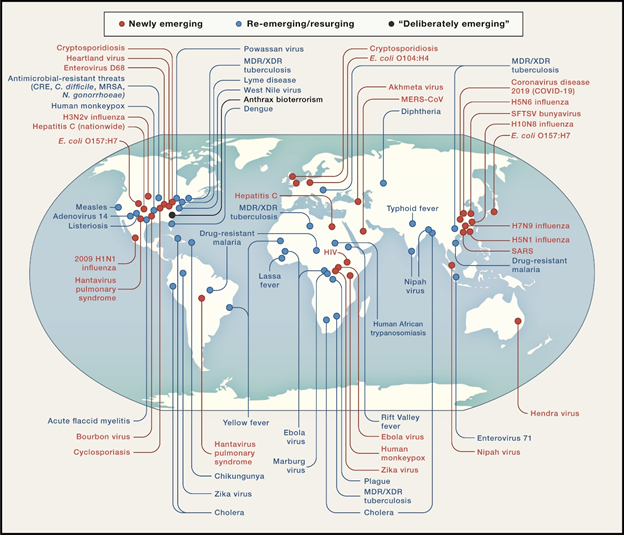
Next, we take a look at some of the most well known emerging infectious diseases throughout history. While we can document the Bubonic Plague in the 16th century, more recent emerging infectious diseases are the Ebola virus first appearing in 1976, HIV in the 1980s, H5N1 in the 1990s and SARS, MERS and Zika in the 2000’s. Most recently is Covid 19 discussed later in this section.
Emerging Infectious Diseases in History
| Year | Name | Deaths | Comments |
| 430 BCE | “Plague of Athens” | ∼100,000 | First identified trans-regional pandemic |
| 541 | Justinian plague (Yersinia pestis) | 30–50 million | Pandemic; killed half of world population |
| 1340s | “Black Death” (Yersinia pestis) | ∼50 million | Pandemic; killed at least a quarter of world population |
| 1494 | Syphilis (Treponema pallidum) | >50,000 | Pandemic brought to Europe from the Americas |
| c. 1500 | Tuberculosis | High millions | Ancient disease; became pandemic in Middle Ages |
| 1520 | Hueyzahuatl (Variola major) | 3.5 million | Pandemic brought to New World by Europeans |
| 1793–1798 | “The American plague” | ∼25,000 | Yellow fever terrorized colonial America |
| 1832 | 2nd cholera pandemic (Paris) | 18,402 | Spread from India to Europe/Western Hemisphere |
| 1918 | “Spanish” influenza | ∼50 million | Led to additional pandemics in 1957, 1968, 2009 |
| 1976–2020 | Ebola | 15,258 | First recognized in 1976; 29 regional epidemics to 2020 |
| 1981 | Acute hemorrhagic conjunctivitis | rare deaths | First recognized in 1969; pandemic in 1981 |
| 1981 1997 | HIV/AIDS H5N1 “bird flu” | ∼37 million 628 | First recognized 1981; ongoing pandemic Pandemic |
| 2002 2009 | SARS H1N1 “swine flu” | 813 284,000 | Near-pandemic 5th influenza pandemic of century |
| 2012 | Middle East Respiratory Syndrome (MERS) | 858 | Zoonotic pandemic |
| 2014 | Chikungunya | uncommon | Pandemic, mosquito-borne |
| 2015 2019 | Zika SARS CoV-2 (Covid 19) | ∼1,000? 4.55 million on going | Pandemic, mosquito-borne Pandemic, worldwide, respiratory |
Many of these diseases are still in existence and are tracked by WHO through its Disease Outbreak News (DON) website. Click here to see the latest: Disease Outbreak News (who.int)
Lets take a more in-depth look at some of these Emerging Infectious Diseases
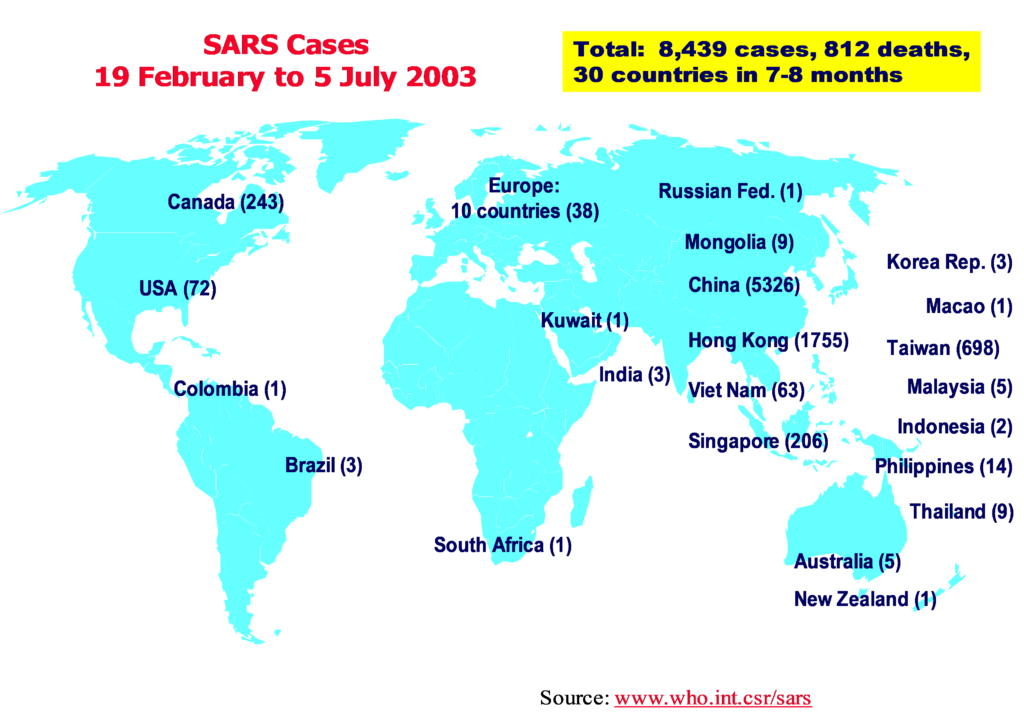
SARS
SARS was first recognized at the end of February 2003 in Hanoi, Viet Nam. Case: a middle-aged man business man who has traveled extensively in South-East Asia before becoming unwell, was admitted to hospital in Hanoi on 26 February 2003 with a high fever, dry cough, myalgia and mild sore throat. Over the following 4 days he developed symptoms of adult respiratory distress syndrome, requiring ventilator support, and severe thrombocytopenia. Despite intensive therapy he died on 13 March after being transferred to an isolation facility in Hong Kong SAR. On the basis of data from the SARS foci in Hanoi and Hong Kong SAR, the incubation period has been estimated to be 2.7 days, but usually 3.5 days. Attack rates of >56% among health care workers caring for patients with SARS is consistent in both the Hong Kong and Hanoi foci.
Lessons Learned from SARS:
- An infectious disease in one country is a threat to all
- Important role of air travel in international spread
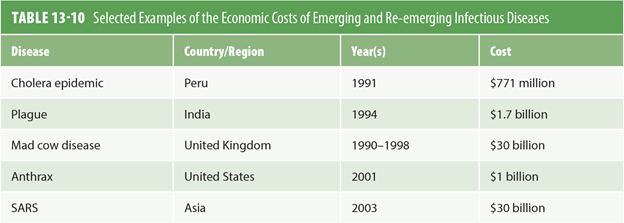
- Tremendous negative economic impact on trade, travel and tourism, estimated loss of $ 30 to $150 billion
- High level commitment is crucial for rapid containment
- WHO can play a critical role in catalyzing international cooperation and support
- Global partnerships & rapid sharing of data/information enhances preparedness and response
Highly Pathogenic Avian Influenza (H5N1)
Avian influenza (“bird flu”) is an infectious disease of birds caused by type A strains of the influenza virus. The infection can cause a wide spectrum of symptoms in birds, ranging from mild illness, which may pass unnoticed, to a rapidly fatal disease that can cause severe epidemics.
Avian influenza viruses do not normally infect humans. However, there have been instances of certain highly pathogenic strains causing severe respiratory disease in humans. In most cases, the people infected had been in close contact with infected poultry or with objects contaminated by their feces. Nevertheless, there is concern that the virus could mutate to become more easily transmissible between humans, raising the possibility of an influenza pandemic. Since Nov 2003, avian influenza H5N1 in birds affected 60 countries across Asia, Europe, Middle-East & Africa and >220 million birds killed by AI virus or culled to prevent further spread.
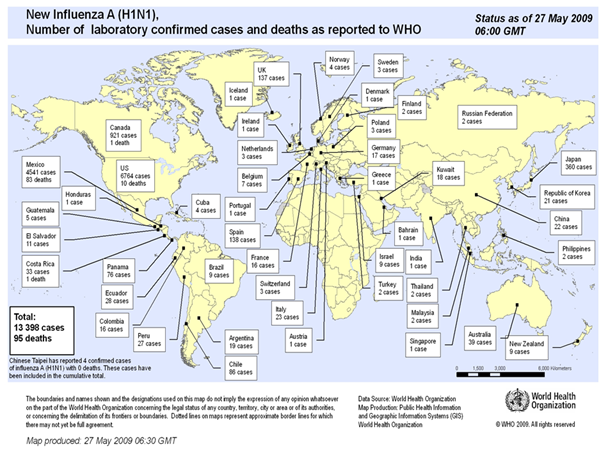
Novel Swine origin Influenza A (H1N1)
Swine flu causes respiratory disease in pigs – high level of illness, low death rates. Pigs can get infected by human, avian and swine influenza virus. Occasionally human swine infection has been reported. In US from December 2005 to February 2009, 12 cases of human infection with swine flu reported. By May 5th more than 1000 cases confirmed in 21 countries. Screening at airports for flu like symptoms (especially passengers coming from affected area) was initiated and schools were closed in many states in USA. This resulted in the stockpiling of antiviral drugs and preparations to make a new effective vaccine
Re-Emerging Infectious Diseases
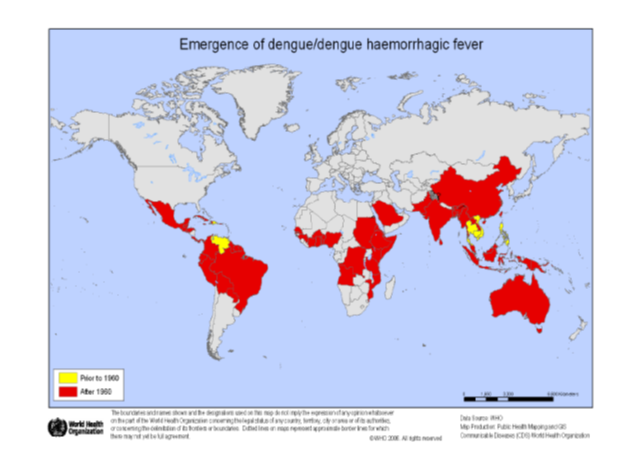
Re-emerging infectious diseases are by definition diseases that have been present before from ancient times (Plague) to more modern day re-occurrences such as Ebola (1976, 2018) and Cholera (1997, 2016). Recent outbreaks have included West Nile Virus in the western hemisphere, Dengue fever which started in south America, spread to the Caribbean and into the US and Ebola spreading from the DRC to West Africa.
| Year of Outbreak | Disease | Country |
| 1994 | Plague | India |
| 1997 | Cholera | Peru |
| 1998 | Rift Valley Fever | Ethiopia |
| 2003 | Human Monkeypox | Texas, US |
| 2009 | Dengue | Florida, US |
| 2014 | Ebola | West Africa |
| 2015 | Zika | Brazil |
| 2016 | Cholera | Yemen |
| 2018 | Ebola | Democratic Republic Congo |
Dengue
Dengue is a mosquito-borne viral disease that has rapidly spread in all regions of WHO in recent years. Dengue virus is transmitted by female mosquitoes mainly of the species Aedes aegypti and, to a lesser extent, Ae. albopictus. These mosquitoes are also vectors of chikungunya, yellow fever and Zika viruses. Dengue is widespread throughout the tropics, with local variations in risk influenced by rainfall, temperature, relative humidity and unplanned rapid urbanization.
Dengue causes a wide spectrum of disease. This can range from subclinical disease (people may not know they are even infected) to severe flu-like symptoms in those infected. Although less common, some people develop severe dengue, which can be any number of complications associated with severe bleeding, organ impairment and/or plasma leakage. Severe dengue has a higher risk of death when not managed appropriately. Severe dengue was first recognized in the 1950s during dengue epidemics in the Philippines and Thailand. Today, severe dengue affects most Asian and Latin American countries and has become a leading cause of hospitalization and death among children and adults in these regions.
Dengue is caused by a virus of the Flaviviridae family and there are four distinct, but closely related, serotypes of the virus that cause dengue (DENV-1, DENV-2, DENV-3 and DENV-4). Recovery from infection is believed to provide lifelong immunity against that serotype. However, cross-immunity to the other serotypes after recovery is only partial, and temporary. Subsequent infections (secondary infection) by other serotypes increase the risk of developing severe dengue.
Dengue has distinct epidemiological patterns, associated with the four serotypes of the virus. These can co-circulate within a region, and indeed many countries are hyper-endemic for all four serotypes. Dengue has an alarming impact on both human health and the global and national economies. DENV is frequently transported from one place to another by infected travellers; when susceptible vectors are present in these new areas, there is the potential for local transmission to be established.
Ebola
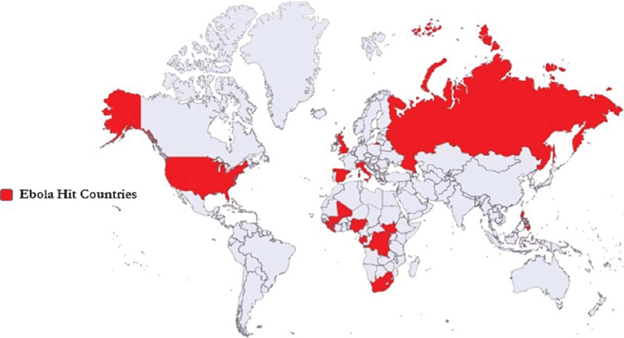
The Ebola virus causes an acute, serious illness which is often fatal if untreated. EVD first appeared in 1976 in 2 simultaneous outbreaks, one in what is now Nzara, South Sudan, and the other in Yambuku, DRC. The latter occurred in a village near the Ebola River, from which the disease takes its name.
The 2014–2016 outbreak in West Africa was the largest Ebola outbreak since the virus was first discovered in 1976. The outbreak started in Guinea and then moved across land borders to Sierra Leone and Liberia. It is thought that fruit bats of the Pteropodidae family are natural Ebola virus hosts. Ebola is introduced into the human population through close contact with the blood, secretions, organs or other bodily fluids of infected animals such as fruit bats, chimpanzees, gorillas, monkeys, forest antelope or porcupines found ill or dead or in the rainforest.
Ebola then spreads through human-to-human transmission via direct contact (through broken skin or mucous membranes) with:
- Blood or body fluids of a person who is sick with or has died from Ebola
- Objects that have been contaminated with body fluids (like blood, feces, vomit) from a person sick with Ebola or the body of a person who died from Ebola
Deliberately Emerging Infectious Diseases
One of the most well known atrocities in the use of bioterrorism in history is the offering of blankets containing smallpox to Native Americans by the British in the Seven Years War (1754-1763). These types of emerging infectious diseases would be the result of the possible deliberate release of infectious agents by dissident individuals or terrorist groups. In bioterrorism and biowarfare biological agents are attractive instruments of terror because they are easy to produce, result in mass casualties, are difficult to detect, and can cause widespread panic & civil disruption. The agents with the highest potential are: B. anthracis, C. botulinum toxin, F. tularemia, Y. pestis, Variola virus, and Viral hemorrhagic fever viruses. These would most likely be disbursed through aerosol dissemination. Several nations including the United States have engaged in offensive bioweapons research including the production of anthrax spores in the 1970s. In 1972, the Bioweapons and Toxins Treaty Convention was signed by the US, Russia and the United Kingdom to limit this activity. However, stockpiles of weaponized bioterror agents still exist in the world today.
Accidentally Emerging Infectious Diseases
A vaccine-derived poliovirus (VDPV) is a strain of the weakened poliovirus that was initially included in oral polio vaccine (OPV) and that has changed over time and behaves more like the wild or naturally occurring virus. This means it can be spread more easily to people who are unvaccinated against polio and who come in contact with the stool or respiratory secretions, such as from a sneeze, of an infected person. These viruses may cause illness, including paralysis. For this reason, the global eradication of polio requires stopping all OPV in routine immunization, as soon as possible after the eradication of wild poliovirus (WPV) transmission.
Factors Contributing to Emergence and Re Emergence of Infectious Diseases
It is estimated that about 60% of these diseases is due to zoonoses which is the spread of infection from animals to humans. The development of disease resistance is a naturally occurring process and resistant forms of disease can emerge or re-emerge due to mutations in bacteria, viruses or parasites or through the process of natural selection. This results in these types of diseases often being referred to as a ‘perpetual challenge’ because of changes in these diseases. Key factors contributing to emergence of new and existing diseases include the following:
- Microbial adaption and change
- Human susceptibility to disease
- Climate and weather change
- Changing ecosystems
- Economic development and land use
- Human demographics and behavior
- Technology and industry
- International travel and commerce
- Breakdown of public health measures
- Poverty and social inequities
- War and famine
- Lack of political will
- Intent to harm
We can see how these factors can be organized according to the Epidemiologic Triad of agent, host and environment as follows:
Agent
- Evolution of pathogenic infectious agents (microbial adaptation & change)
- Development of resistance to drugs
- Resistance of vectors to pesticides
Host:
- Human demographic change (inhabiting new areas)
- Human behavior (sexual & drug use)
- Human susceptibility to infection (Immunosuppression)
- Poverty & social inequality
Environment:
- Climate & changing ecosystems
- Economic development & Land use (urbanization, deforestation)
- Technology & industry (food processing & handling)
- International travel & commerce
- Breakdown of public health measure (war, unrest, overcrowding)
- Deterioration in surveillance systems (lack of political will)
Additional concerns have to do with poverty, neglect and a general weakening of Health Systems (Sections 2.8 & 2.9), climate and environmental changes, urbanization, human behavior and antimicrobial drug resistance as indicated in the table below
| Factor | Examples |
| Transmission of Infectious Agent from Animals to Humans | >2/3rd emerging infections originate from animals- wild & domesticEmerging Influenza infections in Humans associated with Geese, Chickens & PigsAnimal displacement in search of food after deforestation/ climate change (Lassa fever)Humans themselves penetrate/ modify unpopulated regions- come closer to animal reservoirs/ vectors (Yellow fever, Malaria) |
| Climate and Environmental Changes | Deforestation forces animals into closer human contact- increased possibility for agents to breach species barrier between animals & humansEl Nino- Triggers natural disasters & related outbreaks of infectious diseases (Malaria, Cholera)Global warming- spread of Malaria, Dengue, Leishmaniasis, Filariasis |
| Poverty, Neglect & Weakening of Health Infrastructure | Poor populations- major reservoir & source of continued transmissionPoverty- Malnutrition- Severe infectious disease cycleLack of funding, Poor prioritization of health funds, Misplaced in curative rather than preventive infrastructure, Failure to develop adequate health delivery systems |
| Uncontrolled Urbanization & Population Displacement | Growth of densely populated cities- substandard housing, unsafe water, poor sanitation, overcrowding, indoor air pollution (>10% preventable ill health)Problem of refugees & displaced personsDiarrhoeal & Intestinal parasitic diseases, ARILyme disease (B. burgdorferi)- Changes in ecology, increasing deer populations, suburban migration of population |
| Human Behavior | Unsafe sexual practices (HIV, Gonorrhoea, Syphilis)Changes in agricultural & food production patterns- food-borne infectious agents (E. coli)Increased international travel (Influenza)Outdoor activity |
| Antimicrobial Drug Resistance | Causes: Wrong prescribing practicesnon-adherence by patientsCounterfeit drugsUse of anti-infective drugs in animals & plantsLoss of effectiveness:Community-acquired (TB, Pneumococcal) & Hospital-acquired (Enterococcal, Staphylococcal)Antiviral (HIV), Antiprotozoal (Malaria), Antifungal Consequences Prolonged hospital admissions Higher death rates from infections Requires more expensive, more toxic drugs Higher health care costs |
Antimicrobial Resistance
Antimicrobial Resistance (AMR) occurs when bacteria, viruses, fungi and parasites change over time and no longer respond to medicines making infections harder to treat and increasing the risk of disease spread, severe illness and death.
As a result of drug resistance, antibiotics and other antimicrobial medicines become ineffective and infections become increasingly difficult or impossible to treat.
Why is antimicrobial resistance a global concern?
The emergence and spread of drug-resistant pathogens that have acquired new resistance mechanisms, leading to antimicrobial resistance, continues to threaten our ability to treat common infections. Especially alarming is the rapid global spread of multi- and pan-resistant bacteria (also known as “superbugs”) that cause infections that are not treatable with existing antimicrobial medicines such as antibiotics.
The clinical pipeline of new antimicrobials is dry. In 2019 WHO identified 32 antibiotics in clinical development that address the WHO list of priority pathogens, of which only six were classified as innovative. Furthermore, a lack of access to quality antimicrobials remains a major issue. Antibiotic shortages are affecting countries of all levels of development and especially in health- care systems.
Antibiotics are becoming increasingly ineffective as drug-resistance spreads globally leading to more difficult to treat infections and death. New antibacterials are urgently needed – for example, to treat carbapenem-resistant gram-negative bacterial infections as identified in the WHO priority pathogen list. However, if people do not change the way antibiotics are used now, these new antibiotics will suffer the same fate as the current ones and become ineffective.
The cost of AMR to national economies and their health systems is significant as it affects productivity of patients or their caretakers through prolonged hospital stays and the need for more expensive and intensive care.
Without effective tools for the prevention and adequate treatment of drug-resistant infections and improved access to existing and new quality-assured antimicrobials, the number of people for whom treatment is failing or who die of infections will increase. Medical procedures, such as surgery, including caesarean sections or hip replacements, cancer chemotherapy, and organ transplantation, will become more risky.
What accelerates the emergence and spread of antimicrobial resistance?
AMR occurs naturally over time, usually through genetic changes. Antimicrobial resistant organisms are found in people, animals, food, plants and the environment (in water, soil and air). They can spread from person to person or between people and animals, including from food of animal origin. The main drivers of antimicrobial resistance include the misuse and overuse of antimicrobials; lack of access to clean water, sanitation and hygiene (WASH) for both humans and animals; poor infection and disease prevention and control in health-care facilities and farms; poor access to quality, affordable medicines, vaccines and diagnostics; lack of awareness and knowledge; and lack of enforcement of legislation.
In 2017, about 558,000 people globally developed multidrug-resistant TB. In addition, there is resistance to all malaria drugs. Factors contributing to development of drug resistance include increasing use of drugs, poor prescribing and dispensing practices, inappropriate use, failure of patients to take correct dosages, and counterfeit drugs. The costs of drug resistance are very high. For example, treating a case of drug-resistant TB has been estimated to be about 175 times the cost of treating a case with first-line drugs.
Antimicrobial resistance can be addressed as follows:
- Improved surveillance and laboratory capacity
- Uninterrupted access to essential medicines of assured quality
- The regulation of medicines, including in animal husbandry
- Improved infection control
- Innovation
Covid 19
Coronaviruses are a type of virus. There are many different kinds, and some cause disease. A coronavirus identified in 2019, SARS-CoV-2, has caused a pandemic of respiratory illness, called COVID-19. the coronavirus that emerged in December 2019. COVID-19 can be severe, and has caused millions of deaths around the world as well as lasting health problems in some who have survived the illness. The coronavirus can be spread from person to person. It is diagnosed with a laboratory test. As of now, researchers know that the coronavirus is spread through droplets and virus particles released into the air when an infected person breathes, talks, laughs, sings, coughs or sneezes. Larger droplets may fall to the ground in a few seconds, but tiny infectious particles can linger in the air and accumulate in indoor places, especially where many people are gathered and there is poor ventilation. This is why mask-wearing, hand hygiene and physical distancing are essential to preventing COVID-19. The first case of COVID-19 was reported Dec. 1, 2019, and the cause was a then-new coronavirus later named SARS-CoV-2. SARS-CoV-2 may have originated in an animal and changed (mutated) so it could cause illness in humans. In the past, several infectious disease outbreaks have been traced to viruses originating in birds, pigs, bats and other animals that mutated to become dangerous to humans. Research continues, and more study may reveal how and why the coronavirus evolved to cause pandemic disease.
- COVID-19 vaccines have been authorized for emergency use by the U.S. Food and Drug Administration, and vaccination programs are in progress across the U.S. and in many parts of the world.
- Prevention involves physical distancing, mask-wearing, hand hygiene and staying away from others if you feel sick
The diagram below indicates of the animal groups representing natural hosts and the intermediate hosts for the six CoVs found in humans.
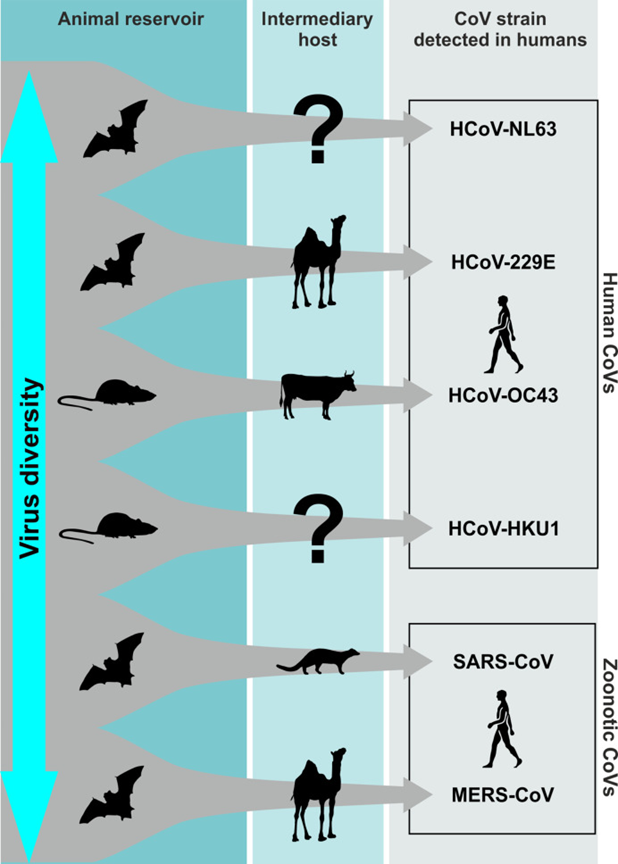
As you can see in the diagram, 4 CoVs are found to be endemic in humans meaning the viruses exist everywhere in the world and are responsible for many colds, or the influenza virus —and sometimes make you ill but they don’t usually threaten to overwhelm health systems the way COVID-19 is currently. We also see that Two of the six are found to be zoonotic, meaning they are transmitted between animals and people. Detailed investigations found that SARS-CoV was transmitted from civet cats to humans and MERS-CoV from dromedary camels to humans. The origin of the CoV-2 Covid 19 virus is still being determined but is thought to be zoonotic
Here is the link to the WHOs Covid 19 landing page: Coronavirus (who.int)
Current Covid 19 Status
Here we provide some links to some of the most important issues related to COVID 19. You can read weekly updates related to the COVID 19 pandemic at this link: Coronavirus Disease (COVID-19) Situation Reports (who.int)
Current Status of the Virus from WHO Dashboard
| Globally, as of 6:19pm CEST, 27 September 2021, there have been 231,703,120 confirmed cases of COVID-19, including 4,746,620 deaths, reported to WHO. As of 27 September 2021, a total of 5,924,819,985 vaccine doses have been administered. |
Variants
Naming SARS-CoV-2 variants
The established nomenclature systems for naming and tracking SARS-CoV-2 genetic lineages by GISAID, Nextstrain and Pango are currently and will remain in use by scientists and in scientific research. To assist with public discussions of variants, WHO convened a group of scientists from the WHO Virus Evolution Working Group, the WHO COVID-19 reference laboratory network, representatives from GISAID, Nextstrain, Pango and additional experts in virological, microbial nomenclature and communication from several countries and agencies to consider easy-to-pronounce and non-stigmatising labels for VOI and VOC. At the present time, this expert group convened by WHO has recommended using letters of the Greek Alphabet, i.e., Alpha, Beta, Gamma, Delta which will be easier and more practical to be discussed by non-scientific audiences. WHO announces simple, easy-to-say labels for SARS-CoV-2 Variants of Interest and Concern
SARS-CoV-2 Variants, Working Definitions and Actions Taken
Given the continuous evolution of the virus that leads to SARS-CoV-2 and the constant developments in our understanding of the impacts of variants, these working definitions may be periodically adjusted. When necessary, variants not otherwise meeting all criteria outlined in these definitions may be designated as VOIs/VOCs, and those posing a diminishing risk relative to other circulating variants may be reclassified, in consultation with the WHO Virus Evolution Working Group.
Variants of Concern (VOC)
Working definition:
A SARS-CoV-2 variant that meets the definition of a VOI (see below) and, through a comparative assessment, has been demonstrated to be associated with one or more of the following changes at a degree of global public health significance:
- Increase in transmissibility or detrimental change in COVID-19 epidemiology; OR
- Increase in virulence or change in clinical disease presentation; OR
- Decrease in effectiveness of public health and social measures or available diagnostics, vaccines, therapeutics.
Currently designated Variants of Concern:
| WHO label | Pango lineage* | GISAID clade | Nextstrain clade | Additional amino acid changes monitored° | Earliest documented samples | Date of designation |
| Alpha | B.1.1.7 # | GRY | 20I (V1) | +S:484K +S:452R | United Kingdom, Sep-2020 | 18-Dec-2020 |
| Beta | B.1.351 | GH/501Y.V2 | 20H (V2) | +S:L18F | South Africa, May-2020 | 18-Dec-2020 |
| Gamma | P.1 | GR/501Y.V3 | 20J (V3) | +S:681H | Brazil, Nov-2020 | 11-Jan-2021 |
| Delta | B.1.617.2§ | G/478K.V1 | 21A | +S:417N | India, Oct-2020 | VOI: 4-Apr-2021 VOC: 11-May-2021 |
*Includes all descendent lineages. The full list of Pango lineages can be found here: https://cov-lineages.org/lineage_list.html ; for FAQ, visit: https://www.pango.network/faqs/
° only found in a subset of sequences
# includes all Q lineages (in the Pango nomenclature system, Q is an alias for B.1.1.7)§ includes all AY lineages (in the Pango nomenclature system, AY is an alias for B.1.617.2); for more information on AY lineages, please visit
Equitable Vaccine Distribution
The Access to COVID-19 Tools (ACT) Accelerator [ What is the ACT Accelerator (who.int)], is a groundbreaking global collaboration to accelerate development, production, and equitable access to COVID-19 tests, treatments, and vaccines. Click on this short video to see why we need equitable vaccine distribution: Canto
Launched at the end of April 2020, at an event co-hosted by the Director-General of the World Health Organization, the President of France, the President of the European Commission, and the Bill & Melinda Gates Foundation, the Access to COVID-19 Tools (ACT) Accelerator brings together governments, scientists, businesses, civil society, and philanthropists and global health organizations (the Bill & Melinda Gates Foundation, CEPI, FIND, Gavi, The Global Fund, Unitaid, Wellcome, the WHO, and the World Bank). Following the ACT-Accelerator launch, UNICEF and PAHO became delivery partners for COVAX, the vaccines pillar.
These organizations have joined forces to speed up an end to the pandemic by supporting the development and equitable distribution of the tests, treatments and vaccines the world needs to reduce mortality and severe disease, restoring full societal and economic activity globally in the near term, and facilitating high-level control of COVID-19 disease in the medium term.
There is no time to waste in the fight against COVID-19. No-one is safe until everyone is safe.
COVAX
COVAX [COVAX (who.int)] is co-led by CEPI, Gavi and WHO, alongside key delivery partner UNICEF. In the Americas, the PAHO Revolving Fund is the recognized procurement agent for COVAX.
COVAX is the vaccines pillar of the Access to COVID-19 Tools (ACT) Accelerator
The ACT Accelerator is a ground-breaking global collaboration to accelerate the development, production, and equitable access to COVID-19 tests, treatments, and vaccines. COVAX is co-led by Gavi, the Coalition for Epidemic Preparedness Innovations (CEPI) and WHO. Its aim is to accelerate the development and manufacture of COVID-19 vaccines, and to guarantee fair and equitable access for every country in the world.
Why we need COVAX
Developing a vaccine against COVID-19 is the most pressing challenge of our time – and nobody wins the race until everyone wins. The global pandemic has already caused the loss of hundreds of thousands of lives and disrupted the lives of billions more. As well as reducing the tragic loss of life and helping to get the pandemic under control, introduction of a vaccine will prevent the loss of US$ 375 billion to the global economy every month. Global equitable access to a vaccine, particularly protecting health care workers and those most-at-risk is the only way to mitigate the public health and economic impact of the pandemic.
Conclusion
There are several take home points from Sections 2.10 and 2.11. They are outlined as follows:
- In 2016, communicable diseases accounted for 40% of total deaths and 40% of DALYs in low-income countries
- TB is the leading infectious cause of death in the world
- Emerging and re-emerging diseases and antimicrobial resistance represent grave threats to public health in all countries
- Enhancing global cooperation on disease surveillance and action is essential for effective prevention, detection, and control of emerging and re-emerging infectious diseases
- Global efforts will be needed to promote more rational use of antibiotics and better quality of antibiotics
- HIV/AIDS is an especially important burden, but the number of people infected with HIV and HIV-related deaths have been declining
- The number of multi-drug resistant TB cases are increasing
- Malaria poses an exceptional burden of disease, largely in SSA
- The economic and social consequences of communicable diseases are very considerable
- The direct and indirect costs of communicable diseases are high for families and for economic growth
