Key Concepts
- Communicable disease-transmission: animal-animal, animal-human, or human-human
- Communicable disease synonymous with infectious disease
- Includes infectious and parasitic diseases
- Case: an individual with a particular disease
- Case fatality rate: the proportion of persons with a particular condition (cases) who die from that condition
- Control (disease control): reducing the incidence and prevalence of a disease to an acceptable level
- Elimination (of disease): reducing the incidence of a disease in a specific area to zero
- Eradication (of disease): termination of all cases of a disease and its transmission globally
Prelim Engagement
A Brief History of Communicable Diseases
If we think back in human history, archeologic evidence from the nomadic hunter-gatherer structure of early societies has found that humans were infected by pathogens such as Hepatitis B, Herpes, Epstein-Barr virus and cytomegalovirus. There is also evidence of sexually transmitted diseases, malaria, and yellow fever. The environment also included pinworms, lice, ticks and soil transmitted helminths including small intestinal roundworms, hookworms and whipworms. As societies grew and became more permanent geographically, dwellings became more permanent. This led to water supplies becoming more contaminated with bacteria and protozoa. This change resulted in higher child mortality rates and increased incidence and prevalence of disease. In the next phase, societies began to farm and domesticate animals. Contact with animals resulted in diseases such as rinderpest (a disease in cattle), smallpox (from cowpox), rubella, typhoid, rabies and dysentery which are noted in the Tigris and Euphrates valleys, China, India Greece and Egypt. Prior to the European invasion of the New World, diseases were mostly of the intestinal worms and protozoan infection. The Europeans brought with them small pox, measles and typhus which decimated the indigenous populations of central and south America who had no natural resistance to these new diseases. Dobson and Craper (1996) note that “successful colonization of these continents probably owes considerably more to the pathogens that Europeans brought with them than to any of their more traditional weapons” (p. 120). Likewise, the slave trade resulted in the introduction of Malaria to the Americas including the southern states of the US. Malaria persisted until the 1940s in the US when improvements in housing, nutrition and agricultural practices resulting in interrupting the agent, host environment linkages needed to sustain infectious disease transmission. Vaccination and improvements in personal hygiene have also contributed to reductions in infectious diseases in many parts of the world but not all and not all equally. We should be reminded that we have only eradicated one infectious disease deadly to humans, small pox.
The 10 Biggest Global Health Threats of the Decade
In January of 2020 the WHO published its top 10 global healthcare challenges in the coming decade. Global warming, conflict zones and unfair healthcare provision are among the main obstacles. Many healthcare challenges are interconnected and will require a coordinated international effort to overcome. Experts are concerned governments around the world are failing to invest sufficient funds in overcoming these issues. The world can’t afford to do nothing
Each challenge requires a coordinated effort from the global health sector, policymakers, international agencies and communities, the organization says. However, there is concern global leaders are failing to invest enough resources in core health priorities and systems.
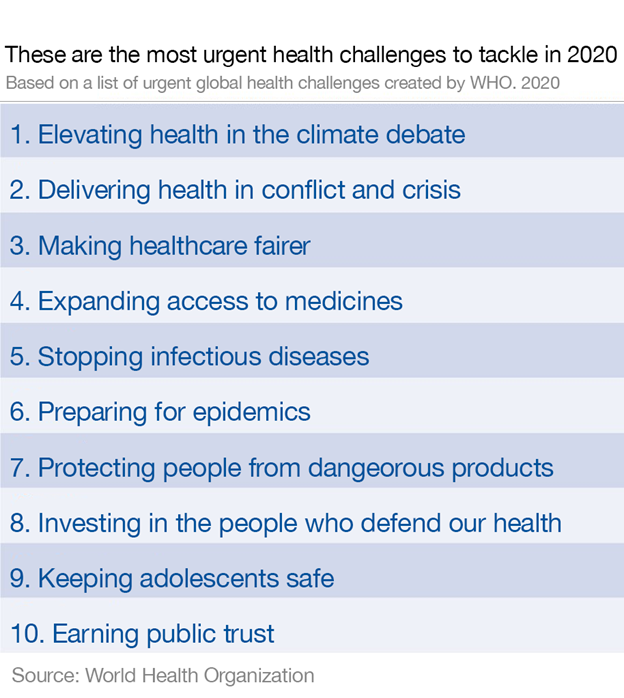
Notice number 5 (Stopping Infectious Diseases) and number 6 (Preparing for Epidemics) in this global health threats list. You can find more information here: WHO’s 10 most urgent health challenges for the 2020s | World Economic Forum (weforum.org) Here is how each is described:
Stopping infectious diseases
What’s the challenge?
Infectious diseases like HIV, tuberculosis, viral hepatitis, malaria, neglected tropical diseases and sexually-transmitted infections will kill an estimated 4 million people in 2020, most of them poor. Meanwhile, vaccine-preventable diseases continue to kill, such as measles, which took 140,000 lives in 2019, many of them children. Although polio has been driven to the brink of eradication, there were 156 cases of wild poliovirus last year, the most since 2014.
The root causes are insufficient levels of financing and the weakness of health systems in endemic countries, coupled with a lack of commitment from wealthy countries.
Preparing for epidemics
What is the challenge?
Airborne viruses or diseases transferred by mosquito bite can spread quickly, with potentially devastating consequences.
Currently, more time and resources are spent reacting to a new strain of influenza or an outbreak of yellow fever, rather than preparing for future outbreaks. But it’s not a question of if a dangerous virus will come about – but when.
Both of these are related to our topic of this section, Communicable diseases.
Back in Sections 1.2 and 1.3 on Defining and Measuring the Global Burden of Disease, Parts 1 & 2 we were introduced to the three classifications or Groups of diseases utilized in global health studies. These are:
- Group I: Communicable Diseases
- Group II: Non-Communicable Diseases
- Group III: Injuries
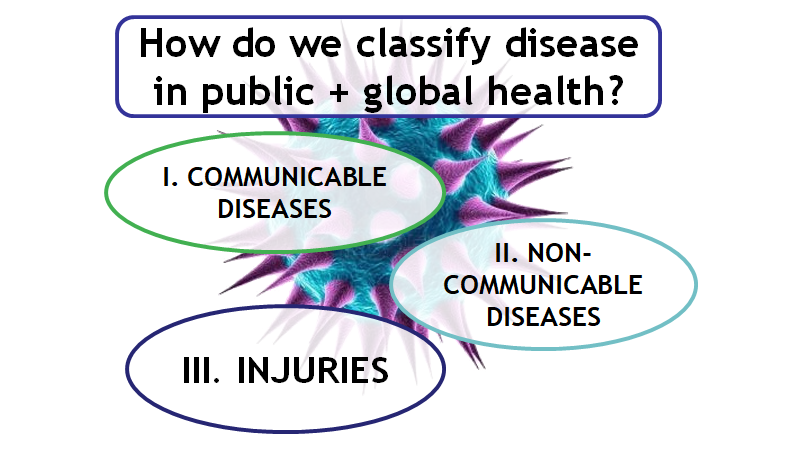
In Section 2.10 Communicable Diseases, we will take a deeper look into Group 1 – Communicable Diseases (also known as Infectious Diseases)
According to the World Health Organization, communicable diseases “are caused by pathogenic microorganisms, such as bacteria, viruses, parasites or fungi; the diseases can be spread, directly or indirectly, from one person to another.” (WHO, n.d.) WHO EMRO | Infectious diseases | Health topics
Communicable diseases can be grouped in three categories:
- Diseases which cause high levels of mortality (e.g. lower respiratoty infection)
- Diseases which place on populations heavy burdens of disability (congential infections, trachoma); and
- Diseases which owing to the rapid and unexpected nature of their spread can have serious global repercussions (e.g., Covid 19).
Many of the key determinants of health and the causes of infectious diseases lie outside the direct control of the health sector. Other sectors involved are those dealing with sanitation and water supply, environmental and climate change, education, agriculture, trade, tourism, transport, industrial development and housing.
We will be exploring the following questions:
- What is the global burden of communicable diseases including for HIV, TB and Malaria?
- What are some of the most common risk factors for these diseases and conditions?
- What are some of the impacts of communicable diseases related to costs and social consequences?
- How are communicable diseases prevented, transimitted and treated? How will this look in the future?
The Importance of Communicable Diseases
Communicable diseases are a critically important part of global health work and action. They are estimated to cause about 40% of deaths and 40% of DALYs in low- and middle-income countries and they disproportionately affect the poor. There are tremendous economic consequences of having high rates of communicable diseases in a country due to reduced productivity and the consequence of having a lower population health status. One of the most frustrating aspects of communicable diseases is that much of the burden of communicable diseases is avoidable, many can be prevented or treated. Lets review the Leading Causes of Death globally by age group, what patterns do we see?
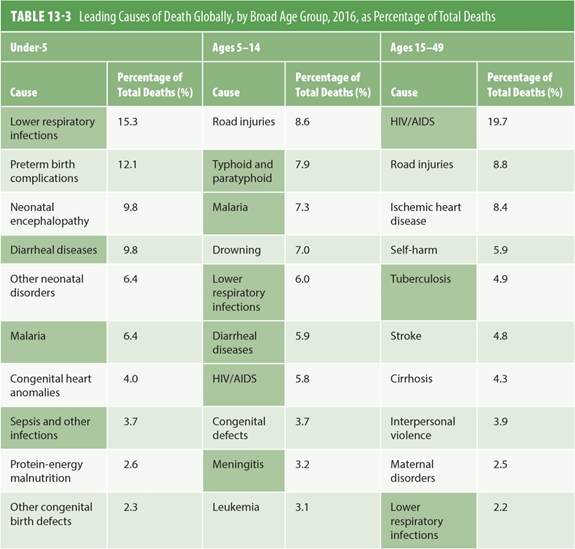
Notice the darker green rectangles represent a variety of communicable diseases, notice also that they seem to appear fairly consistently within each age grouping, although in different rank order.
Lets look at similar data but from a biological sex perspective
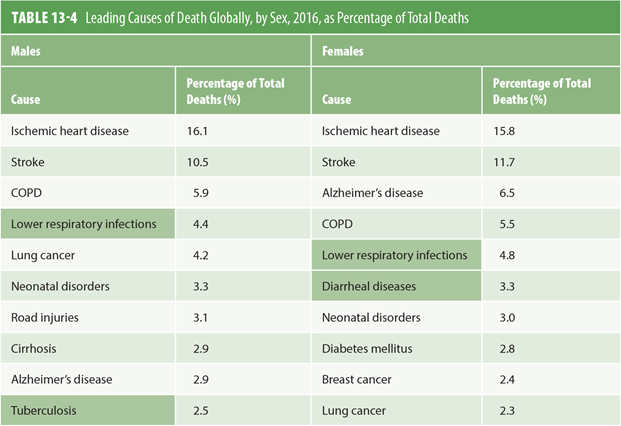
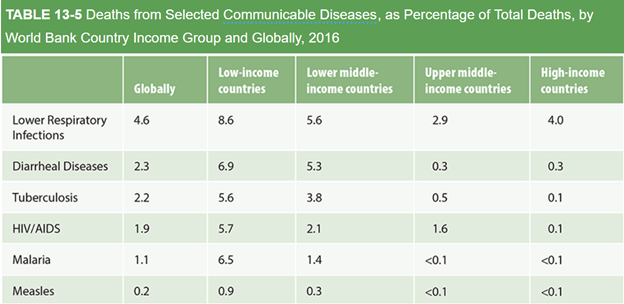
Finally, lets look at disease mortality from a country income category perspective. Here we will see the percentage of total deaths represented by each communicable diseases
In order to understand infectious diseases, we need to see how the chain of infection works
Chain of Infection
As described above, the traditional epidemiologic triad model holds that infectious diseases result from the interaction of agent, host, and environment. More specifically, transmission occurs when the agent leaves its reservoir or host through a portal of exit, is conveyed by some mode of transmission, and enters through an appropriate portal of entry to infect a susceptible host. This sequence is sometimes called the chain of infection (see Figure 2.2).
Figure 2.2 Chain of Infection
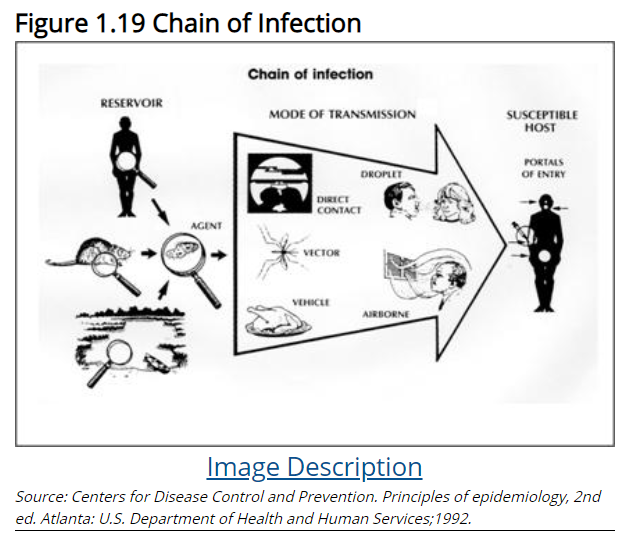
Reservoir
The reservoir of an infectious agent is the habitat in which the agent normally lives, grows, and multiplies. Reservoirs include humans, animals, and the environment. The reservoir may or may not be the source from which an agent is transferred to a host. For example, the reservoir of Clostridium botulinum is soil, but the source of most botulism infections is improperly canned food containing C. botulinum spores.
Human reservoirs. Many common infectious diseases have human reservoirs. Diseases that are transmitted from person to person without intermediaries include the sexually transmitted diseases, measles, mumps, streptococcal infection, and many respiratory pathogens. Because humans were the only reservoir for the smallpox virus, naturally occurring smallpox was eradicated after the last human case was identified and isolated.
Human reservoirs may or may not show the effects of illness. As noted earlier, a carrier is a person with inapparent infection who is capable of transmitting the pathogen to others. Asymptomatic or passive or healthy carriers are those who never experience symptoms despite being infected. Incubatory carriers are those who can transmit the agent during the incubation period before clinical illness begins. Convalescent carriers are those who have recovered from their illness but remain capable of transmitting to others. Chronic carriers are those who continue to harbor a pathogen such as hepatitis B virus or Salmonella Typhi, the causative agent of typhoid fever, for months or even years after their initial infection. One notorious carrier is Mary Mallon, or Typhoid Mary, who was an asymptomatic chronic carrier of Salmonella Typhi. As a cook in New York City and New Jersey in the early 1900s, she unintentionally infected dozens of people until she was placed in isolation on an island in the East River, where she died 23 years later.(45)
Carriers commonly transmit disease because they do not realize they are infected, and consequently take no special precautions to prevent transmission. Symptomatic persons who are aware of their illness, on the other hand, may be less likely to transmit infection because they are either too sick to be out and about, take precautions to reduce transmission, or receive treatment that limits the disease.
Animal reservoirs. Humans are also subject to diseases that have animal reservoirs. Many of these diseases are transmitted from animal to animal, with humans as incidental hosts. The term zoonosis refers to an infectious disease that is transmissible under natural conditions from vertebrate animals to humans. Long recognized zoonotic diseases include brucellosis (cows and pigs), anthrax (sheep), plague (rodents), trichinellosis/trichinosis (swine), tularemia (rabbits), and rabies (bats, raccoons, dogs, and other mammals). Zoonoses newly emergent in North America include West Nile encephalitis (birds), and monkeypox (prairie dogs). Many newly recognized infectious diseases in humans, including HIV/AIDS, Ebola infection and SARS, are thought to have emerged from animal hosts, although those hosts have not yet been identified.
Environmental reservoirs. Plants, soil, and water in the environment are also reservoirs for some infectious agents. Many fungal agents, such as those that cause histoplasmosis, live and multiply in the soil. Outbreaks of Legionnaires disease are often traced to water supplies in cooling towers and evaporative condensers, reservoirs for the causative organism Legionella pneumophila.
Portal of exit
Portal of exit is the path by which a pathogen leaves its host. The portal of exit usually corresponds to the site where the pathogen is localized. For example, influenza viruses and Mycobacterium tuberculosis exit the respiratory tract, schistosomes through urine, cholera vibrios in feces, Sarcoptes scabiei in scabies skin lesions, and enterovirus 70, a cause of hemorrhagic conjunctivitis, in conjunctival secretions. Some bloodborne agents can exit by crossing the placenta from mother to fetus (rubella, syphilis, toxoplasmosis), while others exit through cuts or needles in the skin (hepatitis B) or blood-sucking arthropods (malaria).
Modes of transmission
An infectious agent may be transmitted from its natural reservoir to a susceptible host in different ways. There are different classifications for modes of transmission. Here is one classification:
- Direct
- Direct contact
- Droplet spread
- Indirect
- Airborne
- Vehicleborne
- Vectorborne (mechanical or biologic)
In direct transmission, an infectious agent is transferred from a reservoir to a susceptible host by direct contact or droplet spread.
Direct contact occurs through skin-to-skin contact, kissing, and sexual intercourse. Direct contact also refers to contact with soil or vegetation harboring infectious organisms. Thus, infectious mononucleosis (“kissing disease”) and gonorrhea are spread from person to person by direct contact. Hookworm is spread by direct contact with contaminated soil.
Droplet spread refers to spray with relatively large, short-range aerosols produced by sneezing, coughing, or even talking. Droplet spread is classified as direct because transmission is by direct spray over a few feet, before the droplets fall to the ground. Pertussis and meningococcal infection are examples of diseases transmitted from an infectious patient to a susceptible host by droplet spread.
Indirect transmission refers to the transfer of an infectious agent from a reservoir to a host by suspended air particles, inanimate objects (vehicles), or animate intermediaries (vectors).
Airborne transmission occurs when infectious agents are carried by dust or droplet nuclei suspended in air. Airborne dust includes material that has settled on surfaces and become resuspended by air currents as well as infectious particles blown from the soil by the wind. Droplet nuclei are dried residue of less than 5 microns in size. In contrast to droplets that fall to the ground within a few feet, droplet nuclei may remain suspended in the air for long periods of time and may be blown over great distances. Measles, for example, has occurred in children who came into a physician’s office after a child with measles had left, because the measles virus remained suspended in the air.(46)
Vehicles that may indirectly transmit an infectious agent include food, water, biologic products (blood), and fomites (inanimate objects such as handkerchiefs, bedding, or surgical scalpels). A vehicle may passively carry a pathogen — as food or water may carry hepatitis A virus. Alternatively, the vehicle may provide an environment in which the agent grows, multiplies, or produces toxin — as improperly canned foods provide an environment that supports production of botulinum toxin by Clostridium botulinum.
Vectors such as mosquitoes, fleas, and ticks may carry an infectious agent through purely mechanical means or may support growth or changes in the agent. Examples of mechanical transmission are flies carrying Shigella on their appendages and fleas carrying Yersinia pestis, the causative agent of plague, in their gut. In contrast, in biologic transmission, the causative agent of malaria or guinea worm disease undergoes maturation in an intermediate host before it can be transmitted to humans.
Portal of entry
The portal of entry refers to the manner in which a pathogen enters a susceptible host. The portal of entry must provide access to tissues in which the pathogen can multiply or a toxin can act. Often, infectious agents use the same portal to enter a new host that they used to exit the source host. For example, influenza virus exits the respiratory tract of the source host and enters the respiratory tract of the new host. In contrast, many pathogens that cause gastroenteritis follow a so-called “fecal-oral” route because they exit the source host in feces, are carried on inadequately washed hands to a vehicle such as food, water, or utensil, and enter a new host through the mouth. Other portals of entry include the skin (hookworm), mucous membranes (syphilis), and blood (hepatitis B, human immunodeficiency virus).
Host
The final link in the chain of infection is a susceptible host. Susceptibility of a host depends on genetic or constitutional factors, specific immunity, and nonspecific factors that affect an individual’s ability to resist infection or to limit pathogenicity. An individual’s genetic makeup may either increase or decrease susceptibility. For example, persons with sickle cell trait seem to be at least partially protected from a particular type of malaria. Specific immunity refers to protective antibodies that are directed against a specific agent. Such antibodies may develop in response to infection, vaccine, or toxoid (toxin that has been deactivated but retains its capacity to stimulate production of toxin antibodies) or may be acquired by transplacental transfer from mother to fetus or by injection of antitoxin or immune globulin. Nonspecific factors that defend against infection include the skin, mucous membranes, gastric acidity, cilia in the respiratory tract, the cough reflex, and nonspecific immune response. Factors that may increase susceptibility to infection by disrupting host defenses include malnutrition, alcoholism, and disease or therapy that impairs the nonspecific immune response.
Implications for public health
Knowledge of the portals of exit and entry and modes of transmission provides a basis for determining appropriate control measures. In general, control measures are usually directed against the segment in the infection chain that is most susceptible to intervention, unless practical issues dictate otherwise.
Interventions are directed at:
- Controlling or eliminating agent at source of transmission
- Protecting portals of entry
- Increasing host’s defenses
For some diseases, the most appropriate intervention may be directed at controlling or eliminating the agent at its source. A patient sick with a communicable disease may be treated with antibiotics to eliminate the infection. An asymptomatic but infected person may be treated both to clear the infection and to reduce the risk of transmission to others. In the community, soil may be decontaminated or covered to prevent escape of the agent.
Some interventions are directed at the mode of transmission. Interruption of direct transmission may be accomplished by isolation of someone with infection, or counseling persons to avoid the specific type of contact associated with transmission. Vehicleborne transmission may be interrupted by elimination or decontamination of the vehicle. To prevent fecal-oral transmission, efforts often focus on rearranging the environment to reduce the risk of contamination in the future and on changing behaviors, such as promoting handwashing. For airborne diseases, strategies may be directed at modifying ventilation or air pressure, and filtering or treating the air. To interrupt vectorborne transmission, measures may be directed toward controlling the vector population, such as spraying to reduce the mosquito population.
Some strategies that protect portals of entry are simple and effective. For example, bed nets are used to protect sleeping persons from being bitten by mosquitoes that may transmit malaria. A dentist’s mask and gloves are intended to protect the dentist from a patient’s blood, secretions, and droplets, as well to protect the patient from the dentist. Wearing of long pants and sleeves and use of insect repellent are recommended to reduce the risk of Lyme disease and West Nile virus infection, which are transmitted by the bite of ticks and mosquitoes, respectively.
Some interventions aim to increase a host’s defenses. Vaccinations promote development of specific antibodies that protect against infection. On the other hand, prophylactic use of antimalarial drugs, recommended for visitors to malaria-endemic areas, does not prevent exposure through mosquito bites, but does prevent infection from taking root.
Finally, some interventions attempt to prevent a pathogen from encountering a susceptible host. The concept of herd immunity suggests that if a high enough proportion of individuals in a population are resistant to an agent, then those few who are susceptible will be protected by the resistant majority, since the pathogen will be unlikely to “find” those few susceptible individuals. The degree of herd immunity necessary to prevent or interrupt an outbreak varies by disease. In theory, herd immunity means that not everyone in a community needs to be resistant (immune) to prevent disease spread and occurrence of an outbreak. In practice, herd immunity has not prevented outbreaks of measles and rubella in populations with immunization levels as high as 85% to 90%. One problem is that, in highly immunized populations, the relatively few susceptible persons are often clustered in subgroups defined by socioeconomic or cultural factors. If the pathogen is introduced into one of these subgroups, an outbreak may occur. Now lets look at the Natural History of Disease
Natural History of Disease
Natural history of disease refers to the progression of a disease process in an individual over time, in the absence of treatment. For example, untreated infection with HIV causes a spectrum of clinical problems beginning at the time of seroconversion (primary HIV) and terminating with AIDS and usually death. It is now recognized that it may take 10 years or more for AIDS to develop after seroconversion.(43) Many, if not most, diseases have a characteristic natural history, although the time frame and specific manifestations of disease may vary from individual to individual and are influenced by preventive and therapeutic measures.
Figure 1.18 Natural History of Disease Timeline
Source: Centers for Disease Control and Prevention. Principles of epidemiology, 2nd ed. Atlanta: U.S. Department of Health and Human Services;1992.
The process begins with the appropriate exposure to or accumulation of factors sufficient for the disease process to begin in a susceptible host. For an infectious disease, the exposure is a microorganism. For cancer, the exposure may be a factor that initiates the process, such as asbestos fibers or components in tobacco smoke (for lung cancer), or one that promotes the process, such as estrogen (for endometrial cancer).
After the disease process has been triggered, pathological changes then occur without the individual being aware of them. This stage of subclinical disease, extending from the time of exposure to onset of disease symptoms, is usually called the incubation period for infectious diseases, and the latency period for chronic diseases. During this stage, disease is said to be asymptomatic (no symptoms) or inapparent. This period may be as brief as seconds for hypersensitivity and toxic reactions to as long as decades for certain chronic diseases. Even for a single disease, the characteristic incubation period has a range. For example, the typical incubation period for hepatitis A is as long as 7 weeks. The latency period for leukemia to become evident among survivors of the atomic bomb blast in Hiroshima ranged from 2 to 12 years, peaking at 6–7 years.(44) Incubation periods of selected exposures and diseases varying from minutes to decades are displayed in Table 1.7.
Table 1.7 Incubation Periods of Selected Exposures and Diseases
Table 1.7 Incubation Periods of Selected Exposures and Diseases
| Exposure | Clinical Effect | Incubation/Latency Period |
| Saxitoxin and similar toxins from shellfish | Paralytic shellfish poisoning (tingling, numbness around lips and fingertips, giddiness, incoherent speech, respiratory paralysis, sometimes death) | few minutes–30 minutes |
| Organophosphorus ingestion | Nausea, vomiting, cramps, headache, nervousness, blurred vision, chest pain, confusion, twitching, convulsions | few minutes–few hours |
| Salmonella | Diarrhea, often with fever and cramps | usually 6–48 hours |
| SARS-associated corona virus | Severe Acute Respiratory Syndrome (SARS) | 3–10 days, usually 4–6 days |
| Varicella-zoster virus | Chickenpox | 10–21 days, usually 14–16 days |
| Treponema pallidum | Syphilis | 10–90 days, usually 3 weeks |
| Hepatitis A virus | Hepatitis | 14–50 days, average 4 weeks |
| Hepatitis B virus | Hepatitis | 50–180 days, usually 2–3 months |
| Human immunodeficiency virus | AIDS | <1 to 15+ years |
| Atomic bomb radiation (Japan) | Leukemia | 2–12 years |
| Radiation (Japan, Chernobyl) | Thyroid cancer | 3–20+ years |
| Radium (watch dial painters) | Bone cancer | 8–40 ye |
Although disease is not apparent during the incubation period, some pathologic changes may be detectable with laboratory, radiographic, or other screening methods. Most screening programs attempt to identify the disease process during this phase of its natural history, since intervention at this early stage is likely to be more effective than treatment given after the disease has progressed and become symptomatic.
The onset of symptoms marks the transition from subclinical to clinical disease. Most diagnoses are made during the stage of clinical disease. In some people, however, the disease process may never progress to clinically apparent illness. In others, the disease process may result in illness that ranges from mild to severe or fatal. This range is called the spectrum of disease. Ultimately, the disease process ends either in recovery, disability or death.
For an infectious agent, infectivity refers to the proportion of exposed persons who become infected. Pathogenicity refers to the proportion of infected individuals who develop clinically apparent disease. Virulence refers to the proportion of clinically apparent cases that are severe or fatal.
Because the spectrum of disease can include asymptomatic and mild cases, the cases of illness diagnosed by clinicians in the community often represent only the tip of the iceberg. Many additional cases may be too early to diagnose or may never progress to the clinical stage. Unfortunately, persons with inapparent or undiagnosed infections may nonetheless be able to transmit infection to others. Such persons who are infectious but have subclinical disease are called carriers. Frequently, carriers are persons with incubating disease or inapparent infection. Persons with measles, hepatitis A, and several other diseases become infectious a few days before the onset of symptoms. However carriers may also be persons who appear to have recovered from their clinical illness but remain infectious, such as chronic carriers of hepatitis B virus, or persons who never exhibited symptoms. The challenge to public health workers is that these carriers, unaware that they are infected and infectious to others, are sometimes more likely to unwittingly spread infection than are people with obvious illness.
Transmission
One fundamental concept in the study of Communicable diseases is to understand how these diseases can be spread. There are multiple pathways listed below along with common Communicable disease examples:
- Foodborne: Salmonella, E. coli
- Waterborne: Cholera, rotavirus
- Sexual or bloodborne: Hepatitis, HIV
- Vector-borne: Malaria, onchocerciasis
- Inhalation: Tuberculosis, influenza, meningitis
- Nontraumatic contact: Anthrax
- Traumatic contact: Rabies
Communicable Disease Control
Another foundational concept is to understand how communicable diseases can be controlled. Here are some of the most common:
- Vaccination
- Mass chemotherapy
- Vector control
- Improved water, sanitation, hygiene
- Improved care seeking, disease recognition
- Case management (treatment) and improved caregiving
- Case surveillance, reporting, and containment
- Behavioral change
Lets look at three major Communicable Diseases that are of critical important to global health and the overall burden of disease, namely HIV/AIDS, Tuberculosis and Malaria
HIV/AIDS
Some Key Facts
- HIV continues to be a major global public health issue, having claimed 36.3 million [27.2–47.8 million] lives so far.
- There is no cure for HIV infection. However, with increasing access to effective HIV prevention, diagnosis, treatment and care, including for opportunistic infections, HIV infection has become a manageable chronic health condition, enabling people living with HIV to lead long and healthy lives.
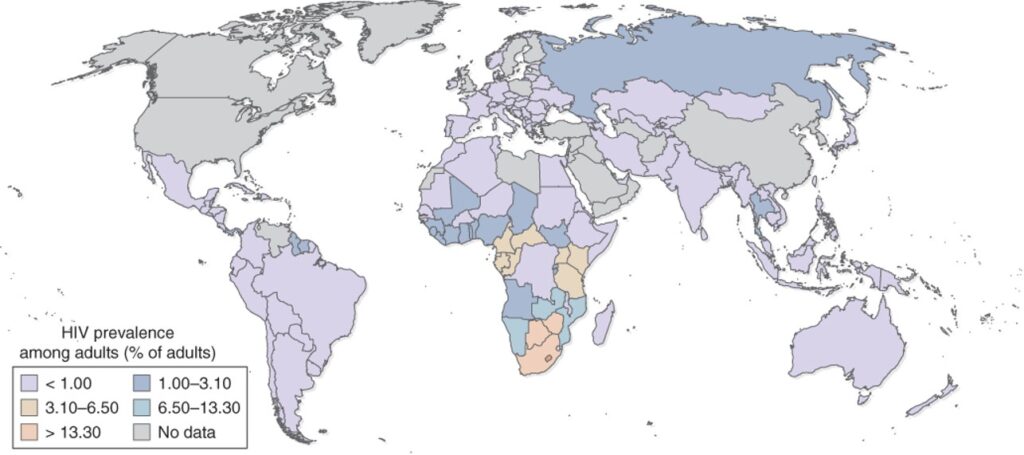
- There were an estimated 37.7 million [30.2–45.1 million] people living with HIV at the end of 2020, over two thirds of whom (25.4 million) are in the WHO African Region.
- In 2020, 680 000 [480 000–1.0 million] people died from HIV-related causes and 1.5 million [1.0–2.0 million] people acquired HIV.
- To reach the new proposed global 95–95–95 targets set by UNAIDS, we will need to redouble our efforts to avoid the worst-case scenario of a half million excess HIV-related deaths in sub-Saharan Africa, increasing HIV infections due to HIV service disruptions during COVID-19, and the slowing public health response to HIV.
The human immunodeficiency virus (HIV) targets the immune system and weakens people’s defense against many infections and some types of cancer that people with healthy immune systems can fight off. As the virus destroys and impairs the function of immune cells, infected individuals gradually become immunodeficient. Immune function is typically measured by CD4 cell count.
The most advanced stage of HIV infection is acquired immunodeficiency syndrome (AIDS), which can take many years to develop if not treated, depending on the individual. AIDS is defined by the development of certain cancers, infections or other severe long-term clinical manifestations.
Signs and symptoms
The symptoms of HIV vary depending on the stage of infection. Though people living with HIV tend to be most infectious in the first few months after being infected, many are unaware of their status until the later stages. In the first few weeks after initial infection people may experience no symptoms or an influenza-like illness including fever, headache, rash or sore throat.
As the infection progressively weakens the immune system, they can develop other signs and symptoms, such as swollen lymph nodes, weight loss, fever, diarrhoea and cough. Without treatment, they could also develop severe illnesses such as tuberculosis (TB), cryptococcal meningitis, severe bacterial infections, and cancers such as lymphomas and Kaposi’s sarcoma.
Transmission
HIV can be transmitted via the exchange of a variety of body fluids from infected people, such as blood, breast milk, semen and vaginal secretions. HIV can also be transmitted from a mother to her child during pregnancy and delivery. Individuals cannot become infected through ordinary day-to-day contact such as kissing, hugging, shaking hands, or sharing personal objects, food or water.
It is important to note that people with HIV who are taking ART and are virally suppressed do not transmit HIV to their sexual partners. Early access to ART and support to remain on treatment is therefore critical not only to improve the health of people with HIV but also to prevent HIV transmission.
Risk factors
Behaviours and conditions that put individuals at greater risk of contracting HIV include:
- having unprotected anal or vaginal sex;
- having another sexually transmitted infection (STI) such as syphilis, herpes, chlamydia, gonorrhoea and bacterial vaginosis;
- sharing contaminated needles, syringes and other injecting equipment and drug solutions when injecting drugs;
- receiving unsafe injections, blood transfusions and tissue transplantation, and medical procedures that involve unsterile cutting or piercing; and
- experiencing accidental needle stick injuries, including among health workers
Diagnosis
HIV can be diagnosed through rapid diagnostic tests that provide same-day results. This greatly facilitates early diagnosis and linkage with treatment and care. People can also use HIV self-tests to test themselves. However, no single test can provide a full HIV diagnosis; confirmatory testing is required, conducted by a qualified and trained health or community worker at a community centre or clinic. HIV infection can be detected with great accuracy using WHO prequalified tests within a nationally approved testing strategy.
Most widely-used HIV diagnostic tests detect antibodies produced by the person as part of their immune response to fight HIV. In most cases, people develop antibodies to HIV within 28 days of infection. During this time, people experience the so-called “window” period – when HIV antibodies haven’t been produced in high enough levels to be detected by standard tests and when they may have had no signs of HIV infection, but also when they may transmit HIV to others. After infection, an individual may transmit HIV transmission to a sexual or drug-sharing partner or for pregnant women to their infant during pregnancy or the breastfeeding period.
Following a positive diagnosis, people should be retested before they are enrolled in treatment and care to rule out any potential testing or reporting error. Notably, once a person diagnosed with HIV and has started treatment they should not be retested.
While testing for adolescents and adults has been made simple and efficient, this is not the case for babies born to HIV-positive mothers. For children less than 18 months of age, serological testing is not sufficient to identify HIV infection – virological testing must be provided as early as birth or at 6 weeks of age. New technologies are now becoming available to perform this test at the point of care and enable same-day results, which will accelerate appropriate linkage with treatment and care.
Prevention
Individuals can reduce the risk of HIV infection by limiting exposure to risk factors. Key approaches for HIV prevention, which are often used in combination, include:
- male and female condom use;
- testing and counselling for HIV and STIs;
- testing and counselling for linkages to tuberculosis (TB) care;
- voluntary medical male circumcision (VMMC);
- use of antiretroviral drugs (ARVs) for prevention;
- harm reduction for people who inject and use drugs; and
- elimination of mother-to-child transmission of HIV.
Treatment
HIV disease can be managed by treatment regimens composed of a combination of three or more antiretroviral (ARV) drugs. Current antiretroviral therapy (ART) does not cure HIV infection but highly suppresses viral replication within a person’s body and allows an individual’s immune system recovery to strengthen and regain the capacity to fight off opportunistic infections and some cancers.
Since 2016, WHO has recommended that all people living with HIV be provided with lifelong ART, including children, adolescents, adults and pregnant and breastfeeding women, regardless of clinical status or CD4 cell count.
By June 2021, 187 countries had already adopted this recommendation, covering 99% of all people living with HIV globally. In addition to the treat all strategy, WHO recommends a rapid ART initiation to all people living with HIV, including offering ART on the same day as diagnosis among those who are ready to start treatment. By June 2021, 82 low- and middle-income countries reported that they have adopted this policy, and approximately half of them reported country-wide implementation.
Globally, 27.5million [26.5–27.7 million] people living with HIV were receiving ART in 2020. This equates to a global ART coverage rate of 73% [56–88%]. However, more efforts are needed to scale up treatment, particularly for children and adolescents. Only 54% [37–69%] of children (0–14 years old) were receiving ART at the end of 2020
Costs and Consequences of HIV/AIDS
There are enormous impacts in high prevalence countries that go beyond morbidity and mortality, including:
- Agricultural production
- Education systems
- National security
- Public services
The disease creates exceptional number of orphans. Is a highly stigmatized condition and is extremely difficult for high-prevalence, low-income countries to finance services for treatment.
Challenges in HIV/AIDS
There are a number of challenges involved in combating HIV/AIDS. These include:
- Developing a vaccine
- Cost-effective approaches to prevention in different settings
- Universal treatment for all those who are eligible
- Financing treatment
- Management of TB and HIV co-infection
Possible Strategies related to HIV/AIDS
There are a number of strategies that have been recommended to address the burden of HIV/AIDS. These include:
- Need for a vaccine
- Focus on prevention of new infections and 95-95-95
| 95-95-95 goals by 2025: 95% of the people with HIV will know their HIV status 95% of those with HIV will be receiving antiretroviral therapy 95% of those being treated will have suppressed viral loads |
- Successful efforts have included strong political leadership and open communication
- Approach to prevention must vary with nature of epidemic
- Efforts need to combine education and behavioral change, bio-medical approaches, structural approaches, and early treatment
Successful efforts will involve:
- Condom promotion
- Screening and treatment for STIs
- Prevention of mother-to-child transmission
- Voluntary male medical circumcision
- Interventions that target populations that transmit the virus from high-risk to low-risk populations
Tuberculosis (TB)
Some Key Facts
- A total of 1.4 million people died from TB in 2019 (including 208 000 people with HIV). Worldwide, TB is one of the top 10 causes of death and the leading cause from a single infectious agent (above HIV/AIDS).
- In 2019, an estimated 10 million people fell ill with tuberculosis(TB) worldwide. 5.6 million men, 3.2 million women and 1.2 million children. TB is present in all countries and age groups. But TB is curable and preventable.
- In 2019, 1.2 million children fell ill with TB globally. Child and adolescent TB is often overlooked by health providers and can be difficult to diagnose and treat.
- In 2019, the 30 high TB burden countries accounted for 87% of new TB cases. Eight countries account for two thirds of the total, with India leading the count, followed by Indonesia, China, the Philippines, Pakistan, Nigeria, Bangladesh and South Africa.
- Multidrug-resistant TB (MDR-TB) remains a public health crisis and a health security threat. A global total of 206 030 people with multidrug- or rifampicin-resistant TB (MDR/RR-TB) were detected and notified in 2019, a 10% increase from 186 883 in 2018.
- Globally, TB incidence is falling at about 2% per year and between 2015 and 2019 the cumulative reduction was 9%. This was less than half way to the End TB Strategy milestone of 20% reduction between 2015 and 2020.
- An estimated 60 million lives were saved through TB diagnosis and treatment between 2000 and 2019.
- Ending the TB epidemic by 2030 is among the health targets of the United Nations Sustainable Development Goals (SDGs).
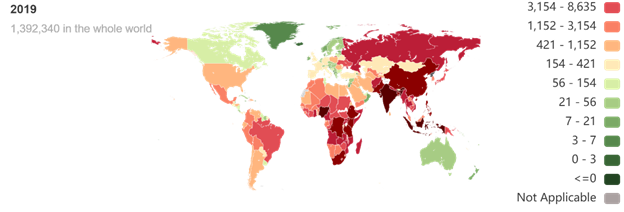
Estimated total number of deaths from all forms of TB, 2019
Tuberculosis (TB) is caused by bacteria (Mycobacterium tuberculosis) that most often affect the lungs. Tuberculosis is curable and preventable.
TB is spread from person to person through the air. When people with lung TB cough, sneeze or spit, they propel the TB germs into the air. A person needs to inhale only a few of these germs to become infected.
About one-quarter of the world’s population has a TB infection, which means people have been infected by TB bacteria but are not (yet) ill with the disease and cannot transmit it.
People infected with TB bacteria have a 5–10% lifetime risk of falling ill with TB. Those with compromised immune systems, such as people living with HIV, malnutrition or diabetes, or people who use tobacco, have a higher risk of falling ill.
When a person develops active TB disease, the symptoms (such as cough, fever, night sweats, or weight loss) may be mild for many months. This can lead to delays in seeking care, and results in transmission of the bacteria to others. People with active TB can infect 5–15 other people through close contact over the course of a year. Without proper treatment, 45% of HIV-negative people with TB on average and nearly all HIV-positive people with TB will die.
Who is most at risk?
Tuberculosis mostly affects adults in their most productive years. However, all age groups are at risk. Over 95% of cases and deaths are in developing countries.
People who are infected with HIV are 18 times more likely to develop active TB (see TB and HIV section below). The risk of active TB is also greater in persons suffering from other conditions that impair the immune system. People with undernutrition are 3 times more at risk. Globally in 2019, there were 2.2 million new TB cases in 2018 that were attributable to undernutrition.
Alcohol use disorder and tobacco smoking increase the risk of TB disease by a factor of 3.3 and 1.6, respectively. In 2019, 0.72 million new TB cases worldwide were attributable to alcohol use disorder and 0.70 million were attributable to smoking.
Global impact of TB
TB occurs in every part of the world. In 2019, the largest number of new TB cases occurred in the WHO South-East Asian region, with 44% of new cases, followed by the WHO African region, with 25% of new cases and the WHO Western Pacific with 18%.
In 2019, 87% of new TB cases occurred in the 30 high TB burden countries. Eight countries accounted for two thirds of the new TB cases: India, Indonesia, China, Philippines, Pakistan, Nigeria, Bangladesh and South Africa.
Symptoms and diagnosis
Common symptoms of active lung TB are cough with sputum and blood at times, chest pains, weakness, weight loss, fever and night sweats. WHO recommends the use of rapid molecular diagnostic tests as the initial diagnostic test in all persons with signs and symptoms of TB as they have high diagnostic accuracy and will lead to major improvements in the early detection of TB and drug-resistant TB. Rapid tests recommended by WHO are the Xpert MTB/RIF, Xpert Ultra and Truenat assays.
Diagnosing multidrug-resistant and other resistant forms of TB (see Multidrug-resistant TB section below) as well as HIV-associated TB can be complex and expensive.
Tuberculosis is particularly difficult to diagnose in children.
Treatment
TB is a treatable and curable disease. Active, drug-susceptible TB disease is treated with a standard 6-month course of 4 antimicrobial drugs that are provided with information and support to the patient by a health worker or trained volunteer. Without such support, treatment adherence is more difficult.
Since 2000, an estimated 63 million lives were saved through TB diagnosis and treatment.
TB and HIV
People living with HIV are 18 (15-21) times more likely to develop active TB disease than people without HIV.
HIV and TB form a lethal combination, each speeding the other’s progress. In 2019, about 208 000 people died of HIV-associated TB. The percentage of notified TB patients who had a documented HIV test result in 2019 was 69%, up from 64% in 2018. In the WHO African Region, where the burden of HIV-associated TB is highest, 86% of TB patients had a documented HIV test result. Overall in 2019, 88% of TB patients known to be living with HIV were on ART.
WHO recommends a 12-component approach of collaborative TB-HIV activities, including actions for prevention and treatment of infection and disease, to reduce deaths.
Multidrug-resistant TB
Anti-TB medicines have been used for decades and strains that are resistant to one or more of the medicines have been documented in every country surveyed. Drug resistance emerges when anti-TB medicines are used inappropriately, through incorrect prescription by health care providers, poor quality drugs, and patients stopping treatment prematurely.
Multidrug-resistant tuberculosis (MDR-TB) is a form of TB caused by bacteria that do not respond to isoniazid and rifampicin, the 2 most effective first-line anti-TB drugs. MDR-TB is treatable and curable by using second-line drugs. However, second-line treatment options are limited and require extensive chemotherapy (up to 2 years of treatment) with medicines that are expensive and toxic.
In some cases, more severe drug resistance can develop. TB caused by bacteria that do not respond to the most effective second-line anti-TB drugs can leave patients without any further treatment options.
In 2019, MDR-TB remains a public health crisis and a health security threat. A global total of 206 030 people with multidrug- or rifampicin-resistant TB (MDR/RR-TB) were detected and notified in 2019, a 10% increase from 186 883 in 2018. About half of the global burden of MDR-TB is in 3 countries – India, China and the Russian Federation.
Worldwide, only 57% of MDR-TB patients are currently successfully treated. In 2020, WHO recommended a new shorter (9-11 months) and fully-oral regimen for patients with MDB-TB. This research has shown that patients find it easier to complete the regimen, compared with the longer regimens that last up to 20 months. Resistance to fluoroquinolones should be excluded prior to the initiation of treatment with this regimen.
In accordance with WHO guidelines, detection of MDR/RR-TB requires bacteriological confirmation of TB and testing for drug resistance using rapid molecular tests, culture methods or sequencing technologies. Treatment requires a course of second-line drugs for at least 9 months and up to 20 months, supported by counselling and monitoring for adverse events. WHO recommends expanded access to all-oral regimens.
By the end of 2019, 89 countries started using shorter MDR-TB regimens and 109 had imported or started using bedaquiline, in an effort to improve the effectiveness of MDR-TB treatment.
Costs and Consequences of TB
TB patients lose about 60% of their individual annual income and 40% of household income due to falling ill with TB and this can be financially catastrophic to many families. Like HIV, TB is a very stigmatized condition. It has also been documented that the economic growth of a country is inversely correlated with the rate of TB such that countries with high rates of TB have lower economic productivity due to a smaller productive workforce and lack of foreign investments due to hesitancy among donors to donate to a less healthy and productive country.
Challenges in TB
Several challenges have been identified in TB prevention, treatment and control as follows:
- The WHO End TB Strategy seeks to end the global epidemic by 2035, with a 95% reduction in deaths and reduce incidence to 10 per 100,000 people
- Focuses on expanding TB prevention and care
- Putting the new strategy in place requires additional financial and technical resources
- The current vaccine has limited impacts on preventing new infections or limiting spread
- The six month regimen is difficult for patients to adhere to
Possible Strategies related to TB
- Need for more effective vaccine, inexpensive and rapid diagnostics, and drug therapy that will lessen duration of treatment
- Improving identification and treatment of MDR-TB and XDR-TB
- Further efforts at linking all providers of TB diagnosis and treatment with national TB control programs
- Manage TB/HIV co-infections using intensified case finding, providing antibiotics to people living with HIV to prevent TB infection and increase infection control in health care settings to limit TB spread
Malaria
Some key facts
- Malaria is a life-threatening disease caused by parasites that are transmitted to people through the bites of infected female Anopheles mosquitoes. It is preventable and curable.
- In 2019, there were an estimated 229 million cases of malaria worldwide.
- The estimated number of malaria deaths stood at 409 000 in 2019.
- Children aged under 5 years are the most vulnerable group affected by malaria; in 2019, they accounted for 67% (274 000) of all malaria deaths worldwide.
- The WHO African Region carries a disproportionately high share of the global malaria burden. In 2019, the region was home to 94% of malaria cases and deaths.
- Total funding for malaria control and elimination reached an estimated US$ 3 billion in 2019. Contributions from governments of endemic countries amounted to US$ 900 million, representing 31% of total funding.
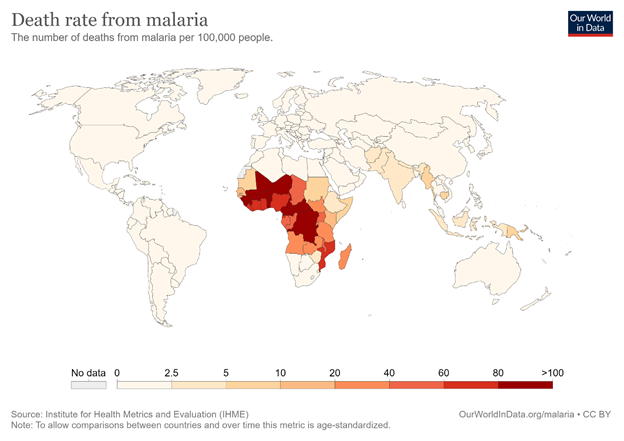
Malaria is caused by Plasmodium parasites. The parasites are spread to people through the bites of infected female Anopheles mosquitoes, called “malaria vectors.” There are 5 parasite species that cause malaria in humans, and 2 of these species – P. falciparum and P. vivax – pose the greatest threat.
In 2018, P. falciparum accounted for 99.7% of estimated malaria cases in the WHO African Region 50% of cases in the WHO South-East Asia Region, 71% of cases in the Eastern Mediterranean and 65% in the Western Pacific.
P. vivax is the predominant parasite in the WHO Region of the Americas, representing 75% of malaria cases.
Symptoms
Malaria is an acute febrile illness. In a non-immune individual, symptoms usually appear 10–15 days after the infective mosquito bite. The first symptoms – fever, headache, and chills – may be mild and difficult to recognize as malaria. If not treated within 24 hours, P. falciparum malaria can progress to severe illness, often leading to death.
Children with severe malaria frequently develop one or more of the following symptoms: severe anaemia, respiratory distress in relation to metabolic acidosis, or cerebral malaria. In adults, multi-organ failure is also frequent. In malaria endemic areas, people may develop partial immunity, allowing asymptomatic infections to occur.
Who is at risk?
In 2019, nearly half of the world’s population was at risk of malaria. Most malaria cases and deaths occur in sub-Saharan Africa. However, the WHO regions of South-East Asia, Eastern Mediterranean, Western Pacific, and the Americas are also at risk.
Some population groups are at considerably higher risk of contracting malaria, and developing severe disease, than others. These include infants, children under 5 years of age, pregnant women and patients with HIV/AIDS, as well as non-immune migrants, mobile populations and travellers. National malaria control programmes need to take special measures to protect these population groups from malaria infection, taking into consideration their specific circumstances.
Disease burden
According to the latest World malaria report, released on 30 November 2020, there were 229 million cases of malaria in 2019 compared to 228 million cases in 2018. The estimated number of malaria deaths stood at 409 000 in 2019, compared with 411 000 deaths in 2018.
The WHO African Region continues to carry a disproportionately high share of the global malaria burden. In 2019, the region was home to 94% of all malaria cases and deaths.
In 2019, 6 countries accounted for approximately half of all malaria deaths worldwide: Nigeria (23%), the Democratic Republic of the Congo (11%), United Republic of Tanzania (5%), Burkina Faso (4%), Mozambique (4%) and Niger (4% each).
Children under 5 years of age are the most vulnerable group affected by malaria; in 2019 they accounted for 67% (274 000) of all malaria deaths worldwide.
Transmission
In most cases, malaria is transmitted through the bites of female Anopheles mosquitoes. There are more than 400 different species of Anopheles mosquito; around 30 are malaria vectors of major importance. All of the important vector species bite between dusk and dawn. The intensity of transmission depends on factors related to the parasite, the vector, the human host, and the environment.
Anopheles mosquitoes lay their eggs in water, which hatch into larvae, eventually emerging as adult mosquitoes. The female mosquitoes seek a blood meal to nurture their eggs. Each species of Anopheles mosquito has its own preferred aquatic habitat; for example, some prefer small, shallow collections of fresh water, such as puddles and hoof prints, which are abundant during the rainy season in tropical countries.
Transmission is more intense in places where the mosquito lifespan is longer (so that the parasite has time to complete its development inside the mosquito) and where it prefers to bite humans rather than other animals. The long lifespan and strong human-biting habit of the African vector species is the main reason why approximately 90% of the world’s malaria cases are in Africa.
Transmission also depends on climatic conditions that may affect the number and survival of mosquitoes, such as rainfall patterns, temperature and humidity. In many places, transmission is seasonal, with the peak during and just after the rainy season. Malaria epidemics can occur when climate and other conditions suddenly favour transmission in areas where people have little or no immunity to malaria. They can also occur when people with low immunity move into areas with intense malaria transmission, for instance to find work, or as refugees.
Human immunity is another important factor, especially among adults in areas of moderate or intense transmission conditions. Partial immunity is developed over years of exposure, and while it never provides complete protection, it does reduce the risk that malaria infection will cause severe disease. For this reason, most malaria deaths in Africa occur in young children, whereas in areas with less transmission and low immunity, all age groups are at risk.
Prevention
Vector control is the main way to prevent and reduce malaria transmission. If coverage of vector control interventions within a specific area is high enough, then a measure of protection will be conferred across the community.
WHO recommends protection for all people at risk of malaria with effective malaria vector control. Two forms of vector control – insecticide-treated mosquito nets and indoor residual spraying – are effective in a wide range of circumstances.
Insecticide-treated mosquito nets
Sleeping under an insecticide-treated net (ITN) can reduce contact between mosquitoes and humans by providing both a physical barrier and an insecticidal effect. Population-wide protection can result from the killing of mosquitoes on a large scale where there is high access and usage of such nets within a community.
In 2019, an estimated 46% of all people at risk of malaria in Africa were protected by an insecticide-treated net, compared to 2% in 2000. However, ITN coverage has been at a standstill since 2016.Indoor spraying with residual insecticides
Indoor residual spraying (IRS) with insecticides is another powerful way to rapidly reduce malaria transmission. It involves spraying the inside of housing structures with an insecticide, typically once or twice per year. To confer significant community protection, IRS should be implemented at a high level of coverage.
Globally, IRS protection declined from a peak of 5% in 2010 to 2% in 2019, with decreases seen across all WHO regions, apart from the WHO Eastern Mediterranean Region. The declines in IRS coverage are occurring as countries switch from pyrethroid insecticides to more expensive alternatives to mitigate mosquito resistance to pyrethroids.
Antimalarial drugs
Antimalarial medicines can also be used to prevent malaria. For travellers, malaria can be prevented through chemoprophylaxis, which suppresses the blood stage of malaria infections, thereby preventing malaria disease. For pregnant women living in moderate-to-high transmission areas, WHO recommends at least 3 doses of intermittent preventive treatment with sulfadoxine-pyrimethamine at each scheduled antenatal visit after the first trimester. Similarly, for infants living in high-transmission areas of Africa, 3 doses of intermittent preventive treatment with sulfadoxine-pyrimethamine are recommended, delivered alongside routine vaccinations.
Since 2012, WHO has recommended seasonal malaria chemoprevention as an additional malaria prevention strategy for areas of the Sahel sub-region of Africa. The strategy involves the administration of monthly courses of amodiaquine plus sulfadoxine-pyrimethamine to all children under 5 years of age during the high transmission season.
Insecticide resistance
Since 2000, progress in malaria control has resulted primarily from expanded access to vector control interventions, particularly in sub-Saharan Africa. However, these gains are threatened by emerging resistance to insecticides among Anopheles mosquitoes. According to the latest World malaria report, 73 countries reported mosquito resistance to at least 1 of the 4 commonly-used insecticide classes in the period 2010-2019. In 28 countries, mosquito resistance was reported to all of the main insecticide classes.
Despite the emergence and spread of mosquito resistance to pyrethroids, insecticide-treated nets continue to provide a substantial level of protection in most settings. This was evidenced in a large 5-country study coordinated by WHO between 2011 and 2016.
While the findings of this study are encouraging, WHO continues to highlight the urgent need for new and improved tools in the global response to malaria. To prevent an erosion of the impact of core vector control tools, WHO also underscores the critical need for all countries with ongoing malaria transmission to develop and apply effective insecticide resistance management strategies.
Diagnosis and treatment
Early diagnosis and treatment of malaria reduces disease and prevents deaths. It also contributes to reducing malaria transmission. The best available treatment, particularly for P. falciparum malaria, is artemisinin-based combination therapy (ACT).
WHO recommends that all cases of suspected malaria be confirmed using parasite-based diagnostic testing (either microscopy or rapid diagnostic test) before administering treatment. Results of parasitological confirmation can be available in 30 minutes or less. Treatment, solely on the basis of symptoms should only be considered when a parasitological diagnosis is not possible. More detailed recommendations are available in the new WHO Guidelines for malaria.
Antimalarial drug resistance
Resistance to antimalarial medicines is a recurring problem. Resistance of P. falciparum malaria parasites to previous generations of medicines, such as chloroquine and sulfadoxine-pyrimethamine (SP), became widespread in the 1950s and 1960s, undermining malaria control efforts and reversing gains in child survival.
Protecting the efficacy of antimalarial medicines is critical to malaria control and elimination. Regular monitoring of drug efficacy is needed to inform treatment policies in malaria-endemic countries, and to ensure early detection of, and response to, drug resistance.
In 2013, WHO launched the Emergency response to artemisinin resistance (ERAR) in the Greater Mekong subregion (GMS), a high-level plan of attack to contain the spread of drug-resistant parasites and to provide life-saving tools for all populations at risk of malaria. But even as this work was under way, additional pockets of resistance emerged independently in new geographic areas of the subregion. In parallel, there were reports of increased resistance to ACT partner drugs in some settings. A new approach was needed to keep pace with the changing malaria landscape.
At the World Health Assembly in May 2015, WHO launched the Strategy for malaria elimination in the Greater Mekong subregion (2015–2030), which was endorsed by all the countries in the subregion. Urging immediate action, the strategy calls for the elimination of all species of human malaria across the region by 2030, with priority action targeted to areas where multidrug resistant malaria has taken root.
With technical guidance from WHO, all countries in the region have developed national malaria elimination plans. Together with partners, WHO is providing ongoing support for country elimination efforts through the Mekong Malaria Elimination programme, an initiative that evolved from the ERAR
Surveillance
Surveillance entails tracking of the disease and programmatic responses, and taking action based on the data received. Currently, many countries with a high burden of malaria have weak surveillance systems and are not in a position to assess disease distribution and trends, making it difficult to optimize responses and respond to outbreaks.
Effective surveillance is required at all points on the path to malaria elimination. Stronger malaria surveillance systems are urgently needed to enable a timely and effective malaria response in endemic regions, to prevent outbreaks and resurgences, to track progress, and to hold governments and the global malaria community accountable.
In March 2018, WHO released a reference manual on malaria surveillance, monitoring and evaluation, monitoring and evaluation. The manual provides information on global surveillance standards and guides countries in their efforts to strengthen surveillance systems.
Elimination
Malaria elimination is defined as the interruption of local transmission of a specified malaria parasite species in a defined geographical area as a result of deliberate activities. Continued measures are required to prevent re-establishment of transmission. Malaria eradication is defined as the permanent reduction to zero of the worldwide incidence of malaria infection caused by human malaria parasites as a result of deliberate activities. Interventions are no longer required once eradication has been achieved.
Globally, the elimination net is widening, with more countries moving towards the goal of zero malaria. In 2019, 27 countries reported fewer than 100 indigenous cases of the disease, up from 6 countries in 2000.
Countries that have achieved at least 3 consecutive years of 0 indigenous cases of malaria are eligible to apply for the WHO certification of malaria elimination. Over the last two decades, 11 countries have been certified by the WHO Director-General as malaria-free: United Arab Emirates (2007), Morocco (2010), Turkmenistan (2010), Armenia (2011), Sri Lanka (2016), Kyrgyzstan (2016), Paraguay (2018), Uzbekistan (2018), Algeria (2019), Argentina (2019) and El Salvador (2021). The WHO Framework for malaria elimination (2017) provides a detailed set of tools and strategies for achieving and maintaining elimination. In January 2021, WHO published a new manual, Preparing for certification of malaria elimination, with extended guidance for countries that are approaching elimination or preparing for elimination certification.
Vaccines against malaria
RTS,S/AS01 (RTS,S) is the first and, to date, the only vaccine to show that it can significantly reduce malaria, and life-threatening severe malaria, in young African children. It acts against P. falciparum, the most deadly malaria parasite globally and the most prevalent in Africa. Among children who received 4 doses in large-scale clinical trials, the vaccine prevented approximately 4 in 10 cases of malaria over a 4-year period.
In view of its public health potential, WHO’s top advisory bodies for malaria and immunization have jointly recommended phased introduction of the vaccine in selected areas of sub-Saharan Africa. Three countries – Ghana, Kenya and Malawi – began introducing the vaccine in selected areas of moderate and high malaria transmission in 2019. Vaccinations are being provided through each country’s routine immunization programme.
The pilot programme will address several outstanding questions related to the public health use of the vaccine. It will be critical for understanding how best to deliver the recommended 4 doses of RTS,S; the vaccine’s potential role in reducing childhood deaths; and its safety in the context of routine use.
This WHO-coordinated programme is a collaborative effort with Ministries of Health in Ghana, Kenya and Malawi and a range of in-country and international partners, including PATH, a non-profit organization, and GSK, the vaccine developer and manufacturer.
Financing for the vaccine programme has been mobilized through a collaboration between 3 major global health funding bodies: Gavi, the Vaccine Alliance, the Global Fund to Fight AIDS, Tuberculosis and Malaria, and Unitaid.
Costs and Consequences of Malaria
There have been a number of costs and consequences associated with Malaria. These include:
- Individuals often have malaria up to 5 times per year
- Indirect costs are greater than direct costs of treatment due to lost days of work
- Roll Back Malaria suggests that economic costs in countries with a high burden are equal to 1.3% of GDP per year
Future Challenges for Malaria
- Substantial gaps in diagnosis and treatment
- National malaria programs must find effective ways of working with private medical providers
- Dispersal of counterfeit and low quality drugs
- Better diagnostics and development of new drugs
- Growing resistance to the insecticides used for indoor residual spraying
- A safe, effective, and affordable vaccine
Strategies to Address Malaria
Key interventions:
- Prompt treatment of those infected, based on confirmed diagnosis
- Intermittent preventive therapy for pregnant women and infants
- Seasonal malaria chemoprevention for children under-5 in selected areas
- Long-lasting insecticide-treated bednets for people living in malarial zones
- Indoor residual spraying in malarial zones
- Appropriate treatment required so that when mosquitos bite people they will not carry malaria to another person
- WHO today recommends artemisinin-based combination therapies (ACT) for treating uncomplicated malaria caused by P. falciparum and for treating P. vivax infections that are not responsive to chloroquine
Cost and Consequences of Communicable Disease
- Constrain health and development of children, affecting schooling and adult productivity
- Strong stigma and discrimination associated with HIV, TB, and others such as leprosy
- Limit productivity and income of adult workers
- Costs of treatment burdens families
- High rates of communicable diseases reduce investment in a country’s development
Future Challenges to the Control of Communicable Diseases
- The lack of adequately trained and appropriately deployed human resources for health
- The challenge of financing enhanced efforts
- Scientific and technical challenges
- Develop models in low- and middle-income countries to provide chronic care of people with HIV/AIDS
- HIV/AIDS is an especially important burden, but the number of people infected with HIV and HIV-related deaths have been declining
- The number of multi-drug resistant TB cases are increasing
- Malaria poses an exceptional burden of disease, largely in SSA
Addressing Communicable Diseases
- Enhance political commitment to the prevention and control of these diseases
- Work with communities to overcome underlying causes
- Because health systems in many low- and middle-income countries will continue to be weak, it will be important for efforts to be based on partnerships, often with the private sector
- Strengthening the surveillance of disease at the local, national, and global levels
In Section 2.11 we will turn our attention to 3 interesting and often overlooked categories of Communicable Diseases
