Key Concepts
Ambient Particulate Matter Pollution
Chemical Contamination
Environment
Environmental Determinants
Environmental Exposure
Environmental Health
Household Air Pollution
Hygiene
Global Climate Change
Lead Exposure
Sanitation
Sanitation Technology
WASH
Water-based
Waterborne Pathogens
Water-related insect vector
Water-washed
Prelim Engagement
Check out this video on environmental health Compendium of WHO and other UN guidance on health and environment - YouTube
Here is a short Case Study on COVID 19 and methanol poisoning in Azerbaijan 9789240036185-eng.pdf
Air pollution
“You cannot get through a single day without having an impact on the world around you. What you do makes a difference and you have to decide what kind of a difference you want to make.”
—Jane Goodall
Introduction
Have you ever heard about the ‘rule of threes’? In medicine it is thought that you can live for 3 minutes without air, 3 days without water and 3 weeks without food. We explored the issue of food and nutrition in Section 3.18. Here we will look at air and water as environmental determinants of health.
Clean air, stable climate, adequate water, sanitation and hygiene, safe use of chemicals, protection from radiation, healthy and safe workplaces, sound agricultural practices, health-supportive cities and built environments, and a preserved nature are all prerequisites for good health.
| Definition: Environmental health comprises those aspects of human health, including quality of life, that are determined by physical, chemical, biological, social, and psychosocial factors in the environment It also refers to the theory and practice of assessing, correcting, controlling and preventing those factors in the environment that can potentially affect adversely the health of present and future generations. |
25% of all global deaths are linked to the environment, which is roughly 13.7 million deaths a year.
13.7 million of deaths per year in 2016, amounting to 25% of the global deaths, are due to modifiable environmental risks. This means that almost 1 in 4 of total global deaths are linked to environment conditions.
Healthier environments could prevent almost one quarter of the global burden of disease. The COVID-19 pandemic is a further reminder of the delicate relationship between people and our planet.
Health issues associated with the environment are major risk factors contributing to the overall global burden of disease as indicated in the figure below
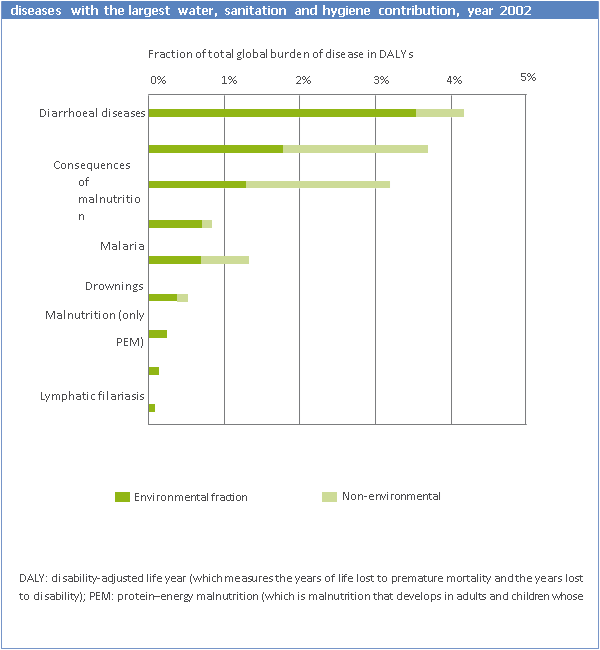
Disease agents and exposure pathways are numerous and unhealthy environmental conditions are common, with the result that most disease and injury categories are being impacted.
There is no question that the environment impacts the health of individuals and communities. For example, it is easy for us to grasp that chemical spills in our water supply has an impact on the safety of the water we drink; the understanding of all of the environmental factors – physical, chemical, and biological factors external to a person – is a special field within the world of public health.
Environmental factors or hazards such as water and air pollution, extreme weather, or chemical exposures can impact human health in a number of ways, from contributing to chronic diseases like asthma, developmental disabilities, cancer, and acute illnesses like heat exhaustion, food shortages, carbon monoxide poisoning, and childhood lead poisoning.
An Example of Environmental Health Activism
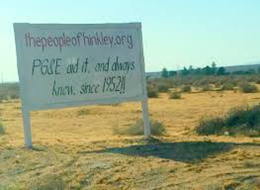
| There are many real-life examples of environmental health. One example that some of you may have seen is from the movie Erin Brockovich. She is a woman who brought attention to contaminated drinking water in a Southern California Town of Hinkley (see below). Between 1952 and 1966, Pacific Gas and Electric Company (PG&E) used hexavalent chromium, a human carcinogen, in its cooling towers to fight corrosion. The wastewater dissolved the hexavalent chromium from the cooling towers and was discharged to unlined ponds at the site. Some of the wastewater percolated into the groundwater, affecting an area near the plant. Erin Brockovich helped uncover the contamination and its suspected impact on cancer rates in the area. What she found out led to a record-breaking settlement for a group of class-action plaintiffs in 1996. |
Environmental Hazards
An environmental health hazard is a substance that has the ability to cause an adverse health event. This includes physical, chemical, and biological factors that are external to a person. Hazards can be natural or manmade.
Examples include:
- Air, water, and soil pollution from transportation, agriculture, industry, and other sources such as:
- Chemicals
- Toxic waste
- Radiation
- Disease-causing microorganisms and plants
- Pesticides
- Heavy metals
- Climate
- Extreme temperatures and weather events
- Where you live – home and community design
- Chemicals in consumer products
Health effects from the environment can be both short term (acute) and long term (chronic). Science has proven some links between health conditions and the environment. For example, it is known that poor air quality can trigger asthma, and that elevated blood lead levels in children can cause developmental disabilities. Vulnerable populations such as the elderly and infants are most at risk to heat-related illnesses during heat waves, and extreme weather can cause power outages that can lead to cases of carbon monoxide poisoning.
However, many links are suspected but not yet proven—environmental health is a complicated area of study and there are gaps in information about how the environment affects chronic diseases. Health problems with suspected links to environmental issues include:
- Certain cancers (i.e., bladder, liver)
- Asthma and other respiratory diseases
- Neurological (related to the nervous system) diseases
- Parkinson’s disease, multiple sclerosis, Alzheimer’s disease
- Developmental disabilities, such as cerebral palsy, autism, etc.
Data and Trends
When assessing trends and data about an environmental hazard and its effect on health, it is important to consider multiple factors that may impact the information you’re analyzing, including a population’s risk, exposure, and demographics.
Risk and exposure: Populations are at increased risk of carbon monoxide poisoning during extreme weather events such as ice storms, floods, and hurricanes that can cause power outages. Without power, people may use charcoal or gas grills indoors to cook which exposes them to carbon monoxide through the air they breathe. While everyone in the home may be exposed to the gas, not everyone will get carbon monoxide poisoning. The likelihood of poisoning depends on the amount of CO a person is exposed to, how long a person is exposed to CO, and an individual’s characteristics, like age or having chronic health problems.
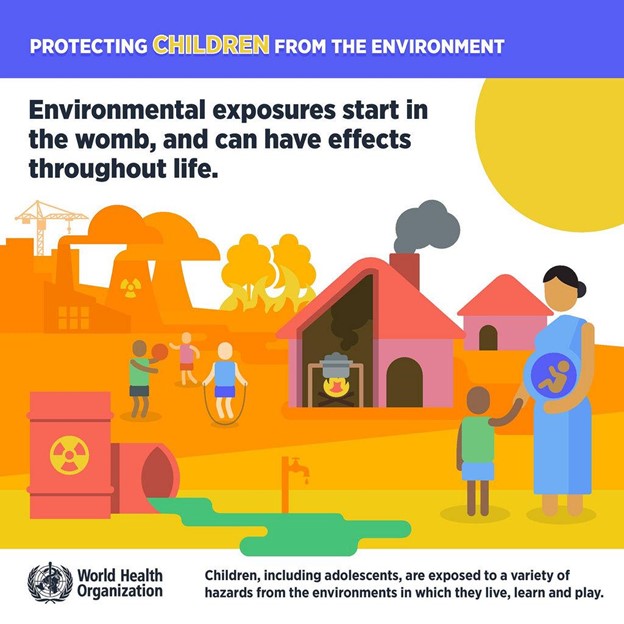
Demographics: As mentioned with CO poisoning, personal characteristics can affect a person’s health. A person’s gender, age, race and ethnicity, and socioeconomic factors, such as poverty, can affect the health impact caused by the environment. Although the association between population characteristics and the environment is difficult to measure, some research has shown that these factors do affect a person’s health due to exposure to environmental hazards.
Examples from “Population Data Characteristics and Environmental Health” (2017):
- Racial minorities and low-income populations are more likely to live near hazardous waste sites, in areas with high air pollution, and poor housing conditions.
- Low-income populations, minorities, and children living in inner cities have more emergency department visits, hospitalizations, and deaths resulting from asthma than the general population.
- In New York, people living within a half mile of toxic land sites were 66% more likely to be hospitalized for asthma, 30% more likely to be poor, and 13% more likely to be a member of a minority group than people outside the half mile radius.
Global health status will never be as good as it can be as long as there are segments of the population with poor health status. Current information about the biological and genetic characteristics of minority and underserved populations does not explain the health disparities experienced by these groups. Public health officials are working to better understand disparities in health-care access, exposure to environmental hazards, mortality, morbidity, behavioral risk factors, disability status, and social determinants of health at the national level in order to eliminate health disparities for vulnerable populations (as defined by race/ethnicity, socio-economic status, geography, gender, age, disability status, risk status related to sex and gender, and among other populations identified to be at-risk for health disparities).
Hazard data, which various agencies collect, encompass data from environmental monitoring of sources such as air, water, soil, food, and vectors, as well as data derived from estimates, models, source measurements, calculations, and facility and other reports. A typical example of hazard surveillance is air pollution monitoring in a certain area. Many hazard data systems have been established and are already in use across the United States. These systems store information on a variety of possible hazards, from chemical spills to air pollution.
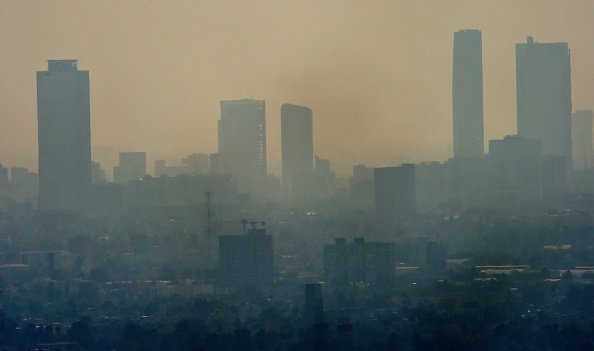
Environmental Hazard Types
- Air: The United States Environmental Protection Agency (EPA) has a repository of air quality data called the Air Quality System (AQS). This database contains measurements of criteria air pollutant concentrations in the United States.
- Water: An illustration of a water hazards database is the federal Safe Drinking Water Information System (SDWIS), an EPA database containing national information about public supplies of drinking water.
- Soil or Sediment contamination: The EPA also has databases that include information regarding the distribution and concentration levels of contaminants in soil and sediment. An example is the CERCLIS database. This is the Comprehensive Environmental Response, Compensation and Liability Information System (CERCLIS), and it contains information on hazardous waste sites (Superfund sites), potentially hazardous waste sites, and remedial activities across the nation. The database includes sites on the National Priorities List (NPL) or that are under consideration for the NPL.
- Community Design: Community design refers to all the elements of a community that are human-made and form the physical characteristics of that community. This includes: buildings, such as schools, workplaces, and homes, roads, parks and recreation areas, transportation systems, and places to buy food. One data source example used for environmental public health includes results from the US Census Bureau’s American Community Survey (ACS) (http://www.census.gov/acs/www/). The survey is conducted by the US Census Bureau in every county, American Indian and Alaska Native area, and Hawaiian Home Land. ACS collects data on demographic characteristics, family and relationships, income, health insurance, education, veteran status, where people work and how they get there, and homeowner status.
- Weather and Climate: Weather and climate have affected human health for millennia. Now, climate change is altering weather and climate patterns that previously had been relatively stable. Climate experts are particularly confident that climate change will bring increasingly frequent and severe heat waves and extreme weather events, as well as a rise in sea levels. These changes have the potential to affect human health in several direct and indirect ways, some of them severe. The National Oceanic and Atmospheric Administration (NOAA) collects temperature, precipitation, tropical cyclone intensity, and ocean conditions (e.g., sea level, temperature, acidity) data.
Connection Between Environment and Health
Why do researchers attempt to understand connections between the environment and health? Prevention. The more that is known about the health consequences of an environmental hazard, the better the protection that can be developed for public health through policies, education, and community outreach programs.
For example, the state of Maine found that almost every case of carbon monoxide (CO) poisoning in the state was associated with not having a CO detector. This data led to new legislation requiring CO detectors in all rental units, in single family homes when there is an addition or renovation, and whenever a property is sold.
Also, knowing that the elderly are among the most vulnerable to heat illness during heat waves has led to community outreach programs nationwide that educate citizens about the importance of checking on elderly family and neighbors during an extreme heat event.
Additionally, to prevent childhood lead poisoning, health departments and advocacy groups promote tips like: only drink cold water from the tap, practice safe remodeling processes to remove lead paint, and advise getting your children’s blood tested if you think they’ve been exposed.
Summary
Environmental health is an important part of public health. Ultimately, the environment in which you live and work can have major health effects for yourself and others. In order to keep the population safe and react promptly when there is an environmental health emergency, many different monitoring systems are in place. all have a stake in ensuring our environment is conducive to optimal health.
| Attribution Context: This section contains excerpts from the following authors: Emily Bertot, Jarianna Gleason, Paige Burkard, Alyssa Eilers, Florence Ayeni. Located at: https://courses.lumenlearning.com/suny-buffalo-environmentalhealth/. Project: Models and Mechanisms of Public Health. License: CC BY-NC-SA: Attribution-NonCommercial-ShareAlike |
Emerging Environmental Health Issues
“Sooner or later, we will have to recognize that the Earth has rights, too, to live without pollution. What mankind must know is that human beings cannot live without Mother Earth, but the planet can live without humans.”
— Evo Morales
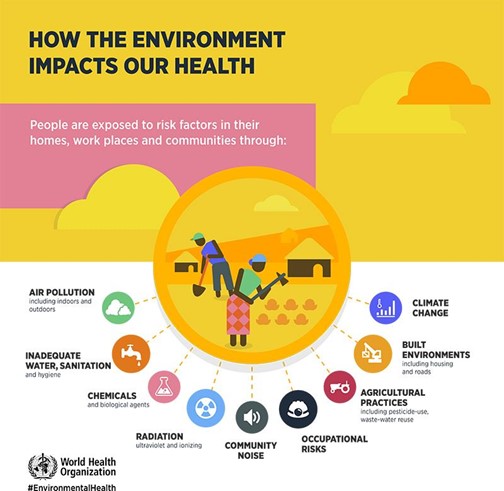
Source: https://www.neha.org/about-neha/definitions-environmental-health
Introduction
As climate change and pollution continue to worsen throughout the globe, the impacts that they have on the health of all individuals are ever evolving and changing. With the advances in modern medicine and technology, the average lifespan of persons living on the Earth has increased from only the 30s in the middle ages to 78.7 currently in the United States. However, this most recent number marks the second year in a row that life expectancy has dropped in America. This drop is due to various factors, such as the increase in deaths due to substance abuse, but it is also attributed to a rise in the levels of air pollution in the country. Across the world, life expectancy is dropping by a couple of months to 2 years as a result of air pollution. The Journal of Environmental Science & Technology Letters estimates that if all countries met the World Health Organization Air Quality Guideline, then the median population-weighted life expectancy would increase by 0.6 years.
Air pollution is not the only environmental hazard that impacts the health of individuals. The Healthy People 2020 Environmental Health initiative created by the United States Department of Health and Human Services highlights 6 themes that are key components of environmental health. These themes are outdoor air quality, surface and ground water quality, toxic substances and hazardous wastes, homes and communities, infrastructure and surveillance, and global environmental health. By focusing on these specific themes, the Healthy People project strives to create ideal environments for communities across the world.
There are many environmental factors that influence the health and livelihoods of people living on the planet. These include: exposure to hazardous substances in the air, water, soil, and food, natural and technological disasters, climate change, occupational hazards, and the built environment.
| Mini Case Study: Antimony One example that demonstrates the overlap between these factors and the effect that can be had on public health is exposure to antimony. Antimony is a metal that is mixed with a wide variety of other metals, including lead and zinc, to create alloys. These antimony alloys are used to create lead storage batteries, solder, sheet, and pipe metal, etc. The compound antimony trioxide is also utilized when making polyethylene terephthalate (PET) water bottles. Antimony is introduced into the environment when ores that are partially made up of antimony are mined and processed, and by incinerators and coal power plants. People can potentially be exposed to antimony through air, water, and by eating food that contains it. Antimony exposure can also be a hazard if people live or work near antimony mines. People can also be exposed to antimony if they work in industries that process antimony ore. As a result of an exposure to this deleterious substance, individuals can develop heart or lung problems. The International Agency for Research on Cancer has determined that antimony trioxide is most likely carcinogenic to humans, and can lead to the development of lung cancer in workers. |
Climate Change
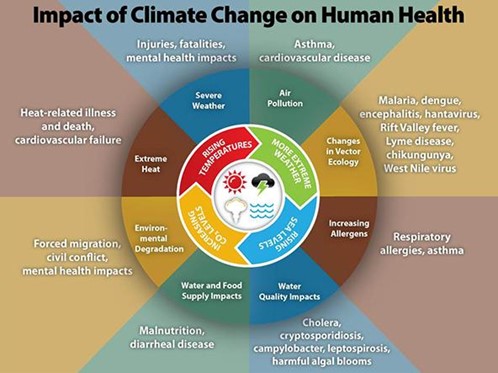
Source: https://www.cdc.gov/climateandhealth/effects/default.htm
In recent years, the effects of climate change can be felt not just in the United States, but also across the planet. Rising temperatures, more incidences of extreme weather, rising sea levels due to the melting of the ice caps, and increasing levels of carbon dioxide have all had an impact on human health, as the above graphic demonstrates. For example, the quality of water has been noticeably influenced by many different components of climate change. A recent example is the ongoing red tide disaster that is affecting Florida.
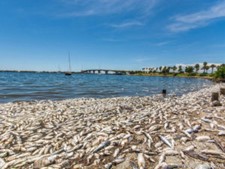
According to the National Oceanic and Atmospheric Administration (NOAA), red tide is a commonly used term for a particular strain of harmful algae bloom. Harmful algae blooms are “when colonies of algae…grow out of control while producing toxic or harmful effects on people, fish, shellfish, marine mammals, and birds” (NOAA 2018). Red tide blooms have been documented since the 1800s, but new organisms that cause harmful algae blooms have been recorded over time and in the 21st century the red tides have spread from being located solely in the eastern Gulf of Mexico to the eastern coast of Mexico.
The three main environmental factors that affect a bloom are the salinity of water, temperature, and wind. The severity of red tides has increased in recent years due to increasing temperatures, alteration of ocean currents, stimulation of photosynthesis due to rising carbon monoxide levels, and intensification or weakening local nutrient upwelling. If climate change continues to be an issue, the likely effects will be an increase in warm-water species at the detriment of cold-water species, changes in the seasonal window of growth of various algae species, and wide-ranging impacts on local ecology, especially marine food webs.
Disaster Preparedness
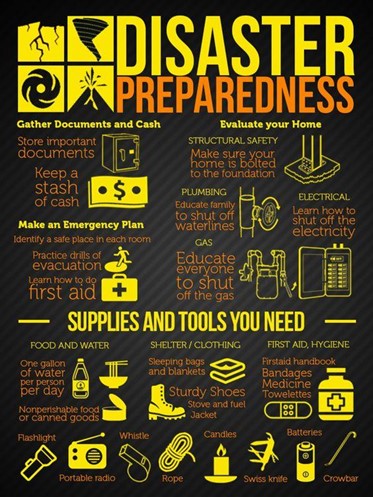
Closely related to the effects of climate change on the health of individuals, animals, and environments is the increase in the number of extreme weather events that occur planet wide. Whether a community is extremely prepared for these catastrophes or not, these naturally occurring phenomenon have a great impact on the lives and livelihoods of people living in that area. One of the most recommended ways to spread information and awareness about disaster preparedness is for public health officials and organizations to educate the public about what to do in the event of a disaster. This video by the United Nations Educational, Scientific and Cultural Organization (UNESCO) does a great job of explaining the importance of disaster preparedness outreach and is one example of media created by an organization interested in promoting public health.
Additionally, groups such as The International Federation of Red Cross and Red Crescent Societies have websites devoted to educational resources, as well as mentioning what can be done to help areas affected by disasters to recover. They have information pamphlets on ways to reduce disaster risk in addition to specific resources listed for preparing, responding, and recovering from a crisis. Other organizations, such as the EPA, ASPCA, the Global Disaster Preparedness Center, etc., offer disaster preparedness tips, suggest items to include in disaster preparedness kits, and actively encourage families to come up with a disaster plan to follow in the event of an extreme weather event. Without these many resources and still in some countries where there is no way to access the internet to view these pamphlets and videos, the health impacts of disasters are very severe.
Weather events can result in, most obviously, minor to fatal injuries, but they can also lead to the incidence of communicable diseases, acute illnesses, such as respiratory or ocular problems in the event of wildfires and volcano eruptions. Disasters can also lead to increased cases of chronic illness, such as heart attacks, and psychological effects, in example depression and Post Traumatic Stress Disorder (PTSD). It is then the job of organization like the Red Cross, FEMA, and others to go into these areas affected by disaster and help guide them to recovery.
Nanotechnology
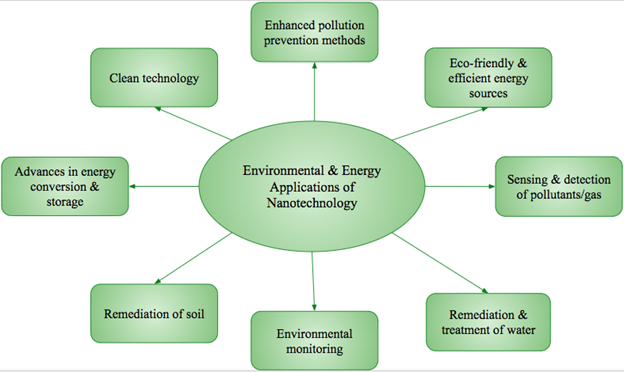
Nanotechnology is the science of manipulating materials on a molecular scale with a goal of building microscopic devices. In the context of saving the environment, green nanotechnology works to enhance the environmental sustainability of processes that are currently contributing to the production of numerous amounts of negative externalities. Nanotechnology aims to increase energy production while simultaneously reducing energy consumption. The research behind this initiative also works to develop new green techniques and technologies that will allow for safer, and healthier practices when it comes to serious public health concerns, such as food and water quality. Nanotechnology research can be used to help clean up past environmental damage, correct present environmental problems, prevent future environmental impacts, and help sustain the planet for future generations.
The diagram depicts a number of potential benefits associated with green nanotechnology. As an emerging technology, it is important to consider these potential benefits, along with the possible risks associated with nanotechnology at an environmental level. Possible risks may include: unpredicted effects, mobilization/transportation of pollutants to another area, and nanoparticles accumulating and ultimately becoming trapped in our soil and/or water sources. Nanotechnology is expected to be incorporated into all aspects of daily life within the next 30 years. The possibilities associated with this science are infinite and the effects will one day be felt and seen across the globe.
The Built Environment
Do you ever wonder why the buildings in your neighborhood were built? The built environment is our surroundings, which include buildings, homes, parks and other spaces around us and even in us. The United States Environmental Protection Agency (EPA) describes it as the manufactured structures that provides us with spaces to live work and for recreational activities. The built environment has an impact and influences the health of the community and health behaviors. For example, if there aren’t any parks or recreational spaces in a community, it lacks the promotion of physical activity. This may lead to poor health habits and choices. It may also lead to a prevalent amount of obesity or diabetes in the community.
Another way the built environment may impact the community is through the use of structural materials used to build homes, buildings, and parks or even the land it may be built on. If a community is built in an unsanitary area in which has not been clean out, it can lead to toxic chemicals building up and causing illnesses throughout the community. It can also cause acidic chemicals which can damage or destroy the community pavements, houses and areas.
The built environment is concerned the way things are built and the architecture of them. If there are open spaces in which people are dumping trash, they have a large effect on not only the community, but also the environment. It can lead to the development of hazardous chemicals, which impacts the built environment and everyone living in it. This can cause an outbreak of diseases and illnesses which can have an harsh image on the built environment.
Exposure to Unknown Hazards
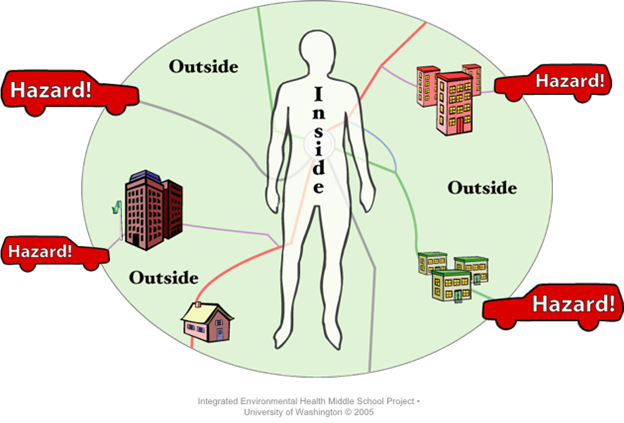
A hazard is anything in the environment that makes you vulnerable to sickness or physical harm. There are both known and unknown hazards. Exposure to unknown hazards can be dangerous because the person at risk does not know that they are exposed to them. If you are exposed to these unknown hazards, there are many ways that they can enter the body. One of the ways that it can enter is by inhalation. This means any toxin that is in the air will enter through your nose and have the possibility of getting stuck in your lungs.
For example, if a building is emitting chemicals through smoke into the air and there is a neighborhood close by, those people are at risk of getting a disease that could be life threatening. The second way for hazards to enter the body is through ingestion. This means that you eat or drink something that is contaminated. An example of this is a water source that is contaminated with lead. This water has the potential to be ingested by a small child who is still at the age of developing and can slowly cause harm to their body. This can lead to slow learning, difficulty concentrating, and in the worse cases possible, brain damage (AACAP). The third route that a hazard can enter the body is through the skin. This way of entrance is most likely one that people do not readily consider. Occupational skin diseases are an example of the second most common type of diseases that happen while on the job (CDC).
An example of someone who is at high risk for all of the exposures previously mentioned are those who respond to natural disasters. When responders help with the aftermath of hurricanes, they more than likely need to walk through tall waters. These waters could have chemicals that leaked during the storm and have now contaminated the water. When walking through these waters and not having proper clothing, the chemicals can be absorbed into your skin. These chemicals can also be in the form of water vapor, which would then enter the body through inhalation. This could lead to problems with the lungs, including lung cancer. Toxins could also enter the workers’ body through ingestion of toxic water. The following are symptoms of all three routes of exposure according to the Center for Diseases Control:
Table 1: Symptoms of Exposure
| Symptoms | Common Causes | |
| Head | Dizziness, headache | Solvents, paint, ozone, smoke (including tobacco) |
| Eyes | Red, watery, irritated, grainy feeling | Smoke, gases, various dusts, vapors from paint and cleaners |
| Nose and Throat | Sneezing, coughing, sore throat | Smoke, ozone, solvents, various dusts, vapors and fumes from paint and cleaners |
| Chest and Lungs | Wheezing, coughing, shortness of breath, lung cancer | Metal fumes, various dusts, smoke, solvents, vapors from paint and cleaners |
| Stomach | Nausea, vomiting, stomach ache, diarrhea | Some metal fumes, solvents, paint vapors, long-term lead exposure |
| Skin | Redness, dryness, rash, itching, skin cancer | Solvents, chromium, nickel, detergents and cleaners, paint on skin |
| Nervous System | Nervousness, irritability, sleeplessness, tremors, loss of balance or coordination | Long-term solvent exposure, long-term lead exposure |
| Reproductive System | For men: low sperm count, damage to sperm For women: irregularities in menstruation, miscarriage, damage to egg or fetus | Lead, toluene, some other solvents, ethylene oxide gas |
Despite all of the downfalls to being exposed to hazard materials, there are many ways to prevent these hazards from entering your body. According to the Occupational Safety and Health Administration, they recommend the following ways to help prevent yourself from being harmed while on the job:
Table 2: Preventing Exposure
| Eye and face protection | Goggles, full-face shields so that you can be protected against flying objects and liquid splash hazards |
| Hand protection | Appropriate gloves suitable for the tasks being performed and considerations that include bloodborne pathogens, chemicals hazards, physical hazards such as abrasions, cuts, and punctures |
| Work clothing and gear | Chemical protective clothing where contact with chemicals may occur |
| Leg protection | Snake boots or snake gaiters to protect against snake bites in areas where snakes are indigenous |
| Respiratory protection | The mandatory use of respirators requires compliance with the OSHA respiratory protection standard (29 CFR 1910.134), including the development of a written respiratory protection program that describes how respirators will be cleaned, maintained, and stored; a filter or cartridge change out schedule based on the work expected |
Blood Lead Levels
Imagine you just finished renovating your dream home. Built in the 1960s, it was a bit dated, but with a bit of restoration work, from the outside, it seemed like it was brand new. One day, you went to turn on the faucet to fill a glass of water, when instead a foul-smelling, brown liquid came out instead. You are in Flint, Michigan, and the pipes bringing water to your house that you thought were safe, were actually made of lead. Little did you know that this was happening to your neighbors, and many people all across the city. This was in 2014. It is 2018 now, and your city still does not have lead-free water.
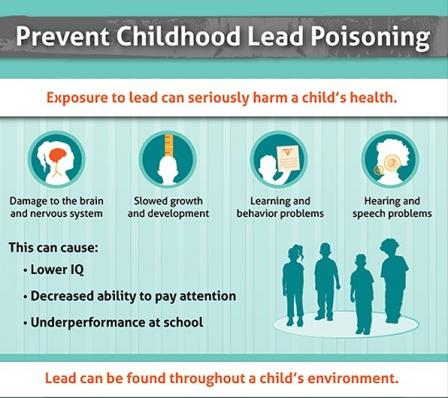
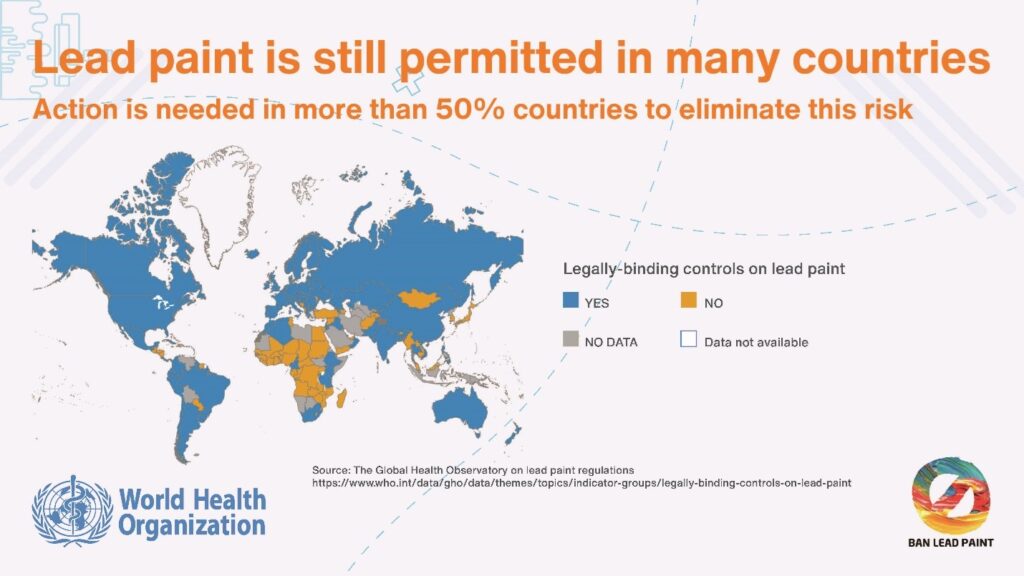
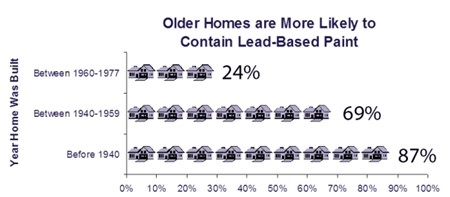
Lead is a heavy metal that is naturally found in the Earth’s crust. Throughout history, it has been used in a multitude of products such as cosmetics, jewelry, paint, plumbing, gasoline, and even children’s’ toys. At the time, no one knew how toxic the metal could be to both human and animal lives. Nowadays, the use of lead in consumer products is banned in the U.S. due to knowledge of its toxic effects, but there have been issues recently of lead poisoning due to outdated fixtures in homes. Many homes in the U.S. built before 1978 could still have lead paint, and could contain lead pipes if built as recently as 1986.
Lead abatement, in short, is quite expensive. The average cost is around $10,000, and depending on the removal method chosen, one would have to vacate their house for an extended period of time to avoid coming into contact with hazardous materials. This is not a sensible option for many people, especially those with a low income. As implications would lead one to assume, many houses in low-income areas have a disproportionate presence of lead compared to houses in higher-income areas. Infants and young children of low-income families are at the highest risk of lead poisoning, in these cases.
Health Effects of Lead
The symptoms of lead poisoning present themselves differently in children and adults. In children, the most common symptoms of lead poisoning are:
- Developmental delay
- Learning difficulties
- Weight loss
- Irritability
- Vomiting
- Constipation
- Hearing loss
- Seizures
- Fatigue
- Pica (eating things that are not
- food)
Lead poisoning in adults, while less common than in children, can still be extremely dangerous. Signs and symptoms can include:
- Hypertension
- Kidney dysfunction
- Reproductive issues
- Neuropathy
- Seizures
- Hearing loss
- Impaired concentration
Pregnant women should also take care to avoid exposure to lead, as it is toxic to fetuses, and can lead to health complications in newborns, like premature birth, and low birth weight.
Occupational lead exposure can be an issue as well, if workers are not properly monitored. Lead is an important metal in industry, for example, within metalworking and acid battery recycling. Construction workers often come into contact with lead during demolitions and abatements, and shipyards are also common workplaces for lead exposure. According to OSHA, around 804,000 general industry workers and 838,000 construction workers are potentially exposed to lead. Fortunately, employers are mandated to protect their workers from inorganic lead exposure.
What is not regulated, however, is the number of children being exposed to lead daily because their families cannot afford to pay for lead abatement. Many children of Flint are still not able to drink clean water because the lead pipes bringing it to their houses have not yet been replaced. Little government assistance was provided, until recently, in 2017, when the water was deemed “acceptable” again. It is estimated that the city will not be completely free of lead pipes until 2020.
While lead was found in common household items in the past, it is now understood to be a toxic metal that can cause illness in people of all ages, but most frequently, in infants and children. Lead paint covers the walls of older homes all over the country. It is possible that there are other cities across the country with lead pipes, and that a similar situation to the Flint water crisis could arise again if proper inspections are not conducted.
While protections exist for construction and industry workers, citizens themselves are not protected from lead exposure, if they cannot afford to get it removed professionally. The only option that will protect all citizens from lead exposure is legislation banning the sale and/or lease of houses and apartments that contain any lead fixtures.
| Attrribution Context: This section contains excerpts from the following authors: Emily Bertot, Jarianna Gleason, Paige Burkard, Alyssa Eilers, Florence Ayeni. Located at: https://courses.lumenlearning.com/suny-buffalo-environmentalhealth/. Project: Models and Mechanisms of Public Health. License: CC BY-NC-SA: Attribution-NonCommercial-ShareAlike |
Water, sanitation and hygiene (WASH)
Safe drinking-water, sanitation and hygiene are crucial to human health and well-being. Safe WASH is not only a prerequisite to health, but contributes to livelihoods, school attendance and dignity and helps to create resilient communities living in healthy environments.
Drinking unsafe water impairs health through illnesses such as diarrhoea, and untreated excreta contaminates groundwaters and surface waters used for drinking-water, irrigation, bathing and household purposes.
Chemical contamination of water continues to pose a health burden, whether natural in origin such as arsenic and fluoride, or anthropogenic such as nitrate.
Safe and sufficient WASH plays a key role in preventing numerous NTDs such as trachoma, soil-transmitted helminths and schistosomiasis. Diarrhoeal deaths as a result of inadequate WASH were reduced by half during the Millennium Development Goal (MDG) period (1990–2015), with the significant progress on water and sanitation provision playing a key role.
Evidence suggests that improving service levels towards safely managed drinking-water or sanitation such as regulated piped water or connections to sewers with wastewater treatment can dramatically improve health by reducing diarrhoeal disease deaths.
829 000 people die each year from diarrhoea as a result of unsafe drinking-water, sanitation, and hand hygiene
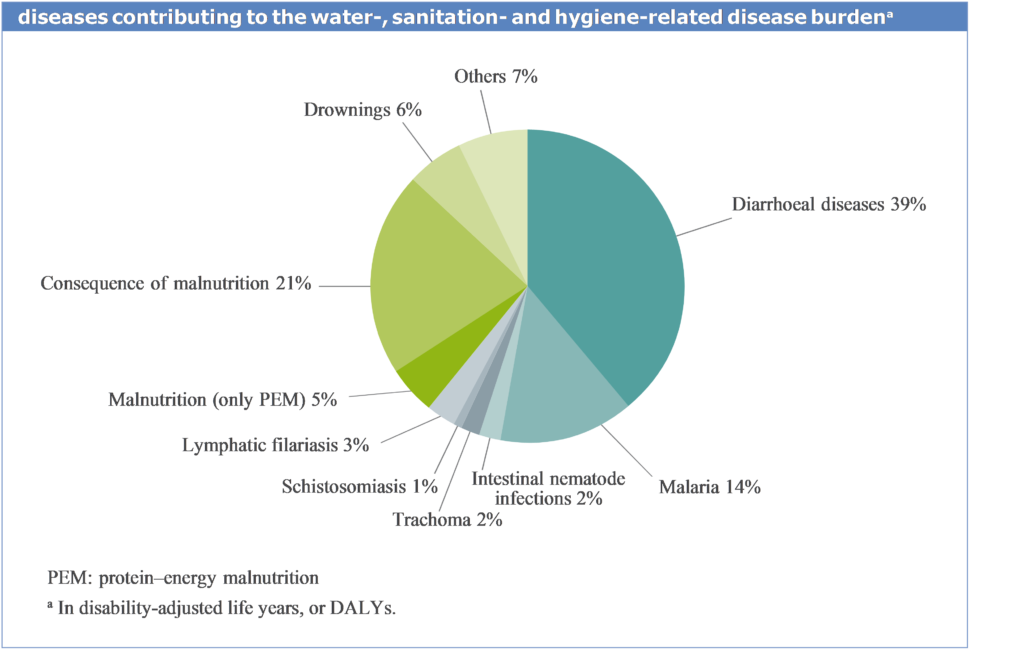
Millions of people globally lack adequate WASH services and consequently suffer from or are exposed to a multitude of preventable illnesses. Lack of safe WASH negatively impacts quality of life and undermines fundamental human rights. Poor WASH services also weaken health systems, threaten health security and place a heavy strain on economies.
Click on these Links to see data related to WASH issues
- Use of basic and safely managed drinking water services
- Use of basic and safely managed sanitation services
- Mortality and burden of disease from water and sanitation
- Mortality due to unsafe water, sanitation and hygiene services
If you are interested in this topic, check out this primer that aims to guide health professionals on engaging with WASH-related issues. It gives an overview of WASH interventions and the status of WASH services globally and outlines key linkages with health. It provides examples of key actions that health actors can take to ensure WASH efforts effectively protect public health and highlights World Health Organization (WHO) activities to support those actions.
Water
Key facts
- In 2017, 71% of the global population (5.3 billion people) used a safely managed drinking-water service – that is, one located on premises, available when needed, and free from contamination.
- 90% of the global population (6.8 billion people) used at least a basic service. A basic service is an improved drinking-water source within a round trip of 30 minutes to collect water.
- 785 million people lack even a basic drinking-water service, including 144 million people who are dependent on surface water.
- Globally, at least 2 billion people use a drinking water source contaminated with faeces.
- Contaminated water can transmit diseases such diarrhoea, cholera, dysentery, typhoid, and polio. Contaminated drinking water is estimated to cause 485 000 diarrhoeal deaths each year.
- By 2025, half of the world’s population will be living in water-stressed areas.
- In least developed countries, 22% of health care facilities have no water service, 21% no sanitation service, and 22% no waste management service.
Introduction
Safe and readily available water is important for public health, whether it is used for drinking, domestic use, food production or recreational purposes. Improved water supply and sanitation, and better management of water resources, can boost countries’ economic growth and can contribute greatly to poverty reduction.
In 2010, the UN General Assembly explicitly recognized the human right to water and sanitation. Everyone has the right to sufficient, continuous, safe, acceptable, physically accessible, and affordable water for personal and domestic use.
Drinking water services
Sustainable Development Goal target 6.1 calls for universal and equitable access to safe and affordable drinking water. The target is tracked with the indicator of “safely managed drinking water services” – drinking water from an improved water source that is located on premises, available when needed, and free from faecal and priority chemical contamination.
In 2017, 5.3 billion people used safely managed drinking-water services – that is, they used improved water sources located on premises, available when needed, and free from contamination. The remaining 2.2 billion people without safely managed services in 2017 included:
- 1.4 billion people with basic services, meaning an improved water source located within a round trip of 30 minutes
- 206 million people with limited services, or an improved water source requiring more than 30 minutes to collect water
- 435 million people taking water from unprotected wells and springs
- 144 million people collecting untreated surface water from lakes, ponds, rivers and streams.
Sharp geographic, sociocultural and economic inequalities persist, not only between rural and urban areas but also in towns and cities where people living in low-income, informal, or illegal settlements usually have less access to improved sources of drinking-water than other residents.
Water and health
Contaminated water and poor sanitation are linked to transmission of diseases such as cholera, diarrhoea, dysentery, hepatitis A, typhoid, and polio. Absent, inadequate, or inappropriately managed water and sanitation services expose individuals to preventable health risks. This is particularly the case in health care facilities where both patients and staff are placed at additional risk of infection and disease when water, sanitation, and hygiene services are lacking. Globally, 15% of patients develop an infection during a hospital stay, with the proportion much greater in low-income countries.
Inadequate management of urban, industrial, and agricultural wastewater means the drinking-water of hundreds of millions of people is dangerously contaminated or chemically polluted.
Some 829 000 people are estimated to die each year from diarrhoea as a result of unsafe drinking-water, sanitation, and hand hygiene. Yet diarrhoea is largely preventable, and the deaths of 297 000 children aged under 5 years could be avoided each year if these risk factors were addressed. Where water is not readily available, people may decide handwashing is not a priority, thereby adding to the likelihood of diarrhoea and other diseases.
Diarrhea is the most widely known disease linked to contaminated food and water but there are other hazards. In 2017, over 220 million people required preventative treatment for schistosomiasis – an acute and chronic disease caused by parasitic worms contracted through exposure to infested water.
In many parts of the world, insects that live or breed in water carry and transmit diseases such as dengue fever. Some of these insects, known as vectors, breed in clean, rather than dirty water, and household drinking water containers can serve as breeding grounds. The simple intervention of covering water storage containers can reduce vector breeding and may also reduce faecal contamination of water at the household level.
Economic and social effects
When water comes from improved and more accessible sources, people spend less time and effort physically collecting it, meaning they can be productive in other ways. This can also result in greater personal safety by reducing the need to make long or risky journeys to collect water. Better water sources also mean less expenditure on health, as people are less likely to fall ill and incur medical costs, and are better able to remain economically productive.
With children particularly at risk from water-related diseases, access to improved sources of water can result in better health, and therefore better school attendance, with positive longer-term consequences for their lives.
Challenges
Climate change, increasing water scarcity, population growth, demographic changes and urbanization already pose challenges for water supply systems. By 2025, half of the world’s population will be living in water-stressed areas. Re-use of wastewater, to recover water, nutrients, or energy, is becoming an important strategy. Increasingly countries are using wastewater for irrigation – in developing countries this represents 7% of irrigated land. While this practice if done inappropriately poses health risks, safe management of wastewater can yield multiple benefits, including increased food production.
Options for water sources used for drinking water and irrigation will continue to evolve, with an increasing reliance on groundwater and alternative sources, including wastewater. Climate change will lead to greater fluctuations in harvested rainwater. Management of all water resources will need to be improved to ensure provision and quality.
Sanitation and health
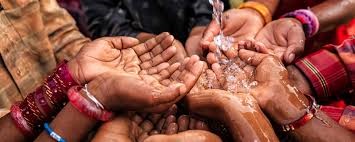
Key facts
- In 2017, 45% of the global population (3.4 billion people) used a safely managed sanitation service.
- 31% of the global population (2.4 billion people) used private sanitation facilities connected to sewers from which wastewater was treated.
- 14% of the global population (1.0 billion people) used toilets or latrines where excreta were disposed of in situ.
- 74% of the world’s population (5.5 billion people) used at least a basic sanitation service.
- 2.0 billion people still do not have basic sanitation facilities such as toilets or latrines.
- Of these, 673 million still defecate in the open, for example in street gutters, behind bushes or into open bodies of water.
- At least 10% of the world’s population is thought to consume food irrigated by wastewater.
- Cropland in peri-urban areas irrigated by mostly untreated urban wastewater is estimated to be approximately 36 million hectares (equivalent to the size of Germany)
- Poor sanitation is linked to transmission of diseases such as cholera, diarrhoea, dysentery, hepatitis A, typhoid and polio and exacerbates stunting.
- Poor sanitation reduces human well-being, social and economic development due to impacts such as anxiety, risk of sexual assault, and lost educational opportunities.
- Inadequate sanitation is estimated to cause 432 000 diarrhoeal deaths annually and is a major factor in several neglected tropical diseases, including intestinal worms, schistosomiasis, and trachoma. Poor sanitation also contributes to malnutrition.
In 2010, the UN General Assembly recognized access to safe and clean drinking water and sanitation as a human right, and called for international efforts to help countries to provide safe, clean, accessible and affordable drinking water and sanitation.
Sustainable Development Goal target 6.2 calls for adequate and equitable sanitation for all. The target is tracked with the indicator of “safely managed sanitation services” – use of an improved type of sanitation facility that is not shared with other households and from which the excreta produced are either safely treated in situ, or transported and treated off-site.
Some 827 000 people in low- and middle-income countries die as a result of inadequate water, sanitation, and hygiene each year, representing 60% of total diarrhoeal deaths. Poor sanitation is believed to be the main cause in some 432 000 of these deaths.
Diarrhoea remains a major killer but is largely preventable. Better water, sanitation, and hygiene could prevent the deaths of 297 000 children aged under 5 years each year.
Open defecation perpetuates a vicious cycle of disease and poverty. The countries where open defection is most widespread have the highest number of deaths of children aged under 5 years as well as the highest levels of malnutrition and poverty, and big disparities of wealth.
Benefits of improving sanitation
Benefits of improved sanitation extend well beyond reducing the risk of diarrhoea. These include:
- reducing the spread of intestinal worms, schistosomiasis and trachoma, which are neglected tropical diseases that cause suffering for millions;
- reducing the severity and impact of malnutrition;
- promoting dignity and boosting safety, particularly among women and girls;
- promoting school attendance: girls’ school attendance is particularly boosted by the provision of separate sanitary facilities; and
- potential recovery of water, renewable energy and nutrients from faecal waste.
A WHO study in 2012 calculated that for every US$ 1.00 invested in sanitation, there was a return of US$ 5.50 in lower health costs, more productivity, and fewer premature deaths.
Challenges
In 2013, the UN Deputy Secretary-General issued a call to action on sanitation that included the elimination of open defecation by 2025. Achieving universal access to a basic drinking water source appears within reach, but universal access to basic sanitation will require additional efforts.
The situation of the urban poor poses a growing challenge as they live increasingly in mega cities where sewerage is precarious or non-existent and space for toilets and removal of waste is at a premium. Inequalities in access are compounded when sewage removed from wealthier households is discharged into storm drains, waterways or landfills, polluting poor residential areas.
Limited data available on this topic suggests that a large proportion of wastewater in developing countries is discharged partially treated or untreated directly into rivers, lakes or the ocean.
Wastewater is increasingly seen as a resource providing reliable water and nutrients for food production to feed growing urban populations. Yet this requires:
- management practices that ensure wastewater is sufficiently treated and safely reused;
- institutional oversight and regulation; and
- public education campaigns to inform people about wastewater use.
Summary
The environment gave humans life, and humans have been continuously taking life away from the environment. Industrial pollution has led to climate change, which results in stronger natural disasters. Toxic chemicals and metals, while useful in business and manufacturing, have been damaging life surrounding them. Now, humans are experiencing more detrimental health issues than they can keep up with. The Healthy People 2020 initiative is focusing on addressing the current environmental issues being experienced around the globe, and helping educate and improving communities in order to be more environmentally friendly.
