Key Concepts
- Aging
- Blood Glucose
- Body Mass Index BMI
- Cancer
- Cardiovascular Disease (CVD)
- Cholesterol
- Chronic Disease
- Chronic Obstructive Pulmonary Disease (COPD)
- Degenerative Disease
- Dementia
- Demographic Transition
- Diabetes (Type 1, Type 2, Gestational)
- Epidemiologic Transition
- Global Health & Aging
- Hypertension/High Blood Pressure
- Ischemic heart disease
- Non Communicable Disease (NCDs): Group II (2)
- Obesity
- Overweight
- Stroke
- Women & Aging
Prelim Engagement
To prepare for this Section, please complete the following:
- 1.Please review the Epidemiologic Transition. Watch this video to remind yourself of this foundational concept in global health: https://www.youtube.com/watch?v=nt3d4oMmByI
- Watch this short video on NCDs/ Chronic Diseases and some possible solutions: https://youtu.be/fK1_SH3X2ek
- Check out what a global corporation is doing about NCDs. The Director of Global Health Policy at PepsiCo, Derek Yach, explains the risk factors for the growth of non-communicable diseases and measures that can be taken to address them. He also comments on the role of businesses like PepsiCo in addressing the epidemic of noncommunicable diseases and how international cooperation can better address these diseases, as well: https://www.cfr.org/explainer-video/prioritizing-non-communicable-diseases
- Check out how we can change our stereotypes of older people: https://youtu.be/LL-TJjCJPaI
- Women & Aging is a special topic we will explore in this section: Click on this video for a quick overview of this important human right: https://youtu.be/4rCJVxY2zfU
Introduction
Back in Sections 1.2 and 1.3 on Defining and Measuring the Global Burden of Disease, Parts 1 & 2 we were introduced to the three classifications or Groups of diseases utilized in global health studies. These are:
- Group I: Communicable Diseases
- Group II: Non-Communicable Diseases
- Group III: Injuries
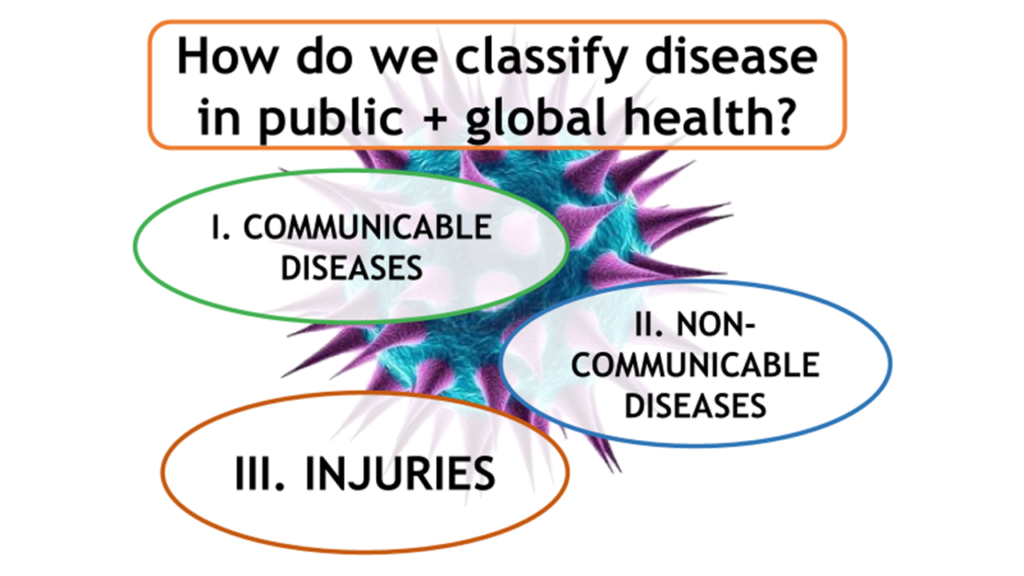
In Section 2.12 Non-Communicable Diseases (NCDs) and Aging, we will take a deeper look into Group 2 – Non-Communicable Diseases (also known as Chronic or sometimes Degenerative Diseases)
According to the World Health Organization, non-communicable diseases “tend to be of long duration and are the result of a combination of genetic, physiological, environmental and behavioral factors .” (WHO, n.d.) Noncommunicable diseases (who.int)
Non-Communicable diseases can be grouped in four types:
- Cardiovascular Diseases (heart attacks, stroke)
- Cancers (breast, lung, prostate)
- Chronic Respiratory Diseases (chronic obstructive pulmonary disease, asthma)
- Diabetes (Type 1, Type 2, Gestational)
Similar to communicable diseases, many of the key determinants of health and the causes of non-communicable diseases lie outside the direct control of the health sector. Other sectors involved are those dealing with individual life style behaviors such as tobacco, poor diet, lack of physical activity and alcohol and substance use. Risks for NCDs also include metabolic changes such as overweight/obesity, raised blood pressure, high blood glucose (hyperglycemia) and high levels of fat in the blood (hyperlipidemia). Lets start with an overview of Non-Communicable Diseases (NCDs)
| Context: This section is comprised of excerpts from many of the World Health Organizations Fact Sheet series which are available online from the WHO at: Fact sheets (who.int) |
Non-Communicable Diseases (NCDs)
Key facts
- Noncommunicable diseases (NCDs) kill 41 million people each year, equivalent to 71% of all deaths globally.
- Each year, more than 15 million people die from a NCD between the ages of 30 and 69 years; 85% of these “premature” deaths occur in low- and middle-income countries.
- 77% of all NCD deaths are in low- and middle-income countries.
- Cardiovascular diseases account for most NCD deaths, or 17.9 million people annually, followed by cancers (9.3 million), respiratory diseases (4.1 million), and diabetes (1.5 million).
- These four groups of diseases account for over 80% of all premature NCD deaths.
- Tobacco use, physical inactivity, the harmful use of alcohol and unhealthy diets all increase the risk of dying from a NCD.
- Detection, screening and treatment of NCDs, as well as palliative care, are key components of the response to NCDs.
Noncommunicable diseases (NCDs), also known as chronic diseases, tend to be of long duration and are the result of a combination of genetic, physiological, environmental, and behavioral factors.
The main types of NCD are cardiovascular diseases (such as heart attacks and stroke), cancers, chronic respiratory diseases (such as chronic obstructive pulmonary disease and asthma) and diabetes.
NCDs disproportionately affect people in low- and middle-income countries where more than three quarters of global NCD deaths – 31.4 million – occur.
People at risk of NCDs
People of all age groups, regions and countries are affected by NCDs. These conditions are often associated with older age groups, but evidence shows that more than 15 million of all deaths attributed to NCDs occur between the ages of 30 and 69 years. Of these “premature” deaths, 85% are estimated to occur in low- and middle-income countries. Children, adults, and the elderly are all vulnerable to the risk factors contributing to NCDs, whether from unhealthy diets, physical inactivity, exposure to tobacco smoke or the harmful use of alcohol.
These diseases are driven by forces that include rapid unplanned urbanization, globalization of unhealthy lifestyles and population ageing. Unhealthy diets and a lack of physical activity may show up in people as raised blood pressure, increased blood glucose, elevated blood lipids and obesity. These are called metabolic risk factors that can lead to cardiovascular disease, the leading NCD in terms of premature deaths.
Risk factors
Modifiable behaviors, such as tobacco use, physical inactivity, unhealthy diet and the harmful use of alcohol, all increase the risk of NCDs.
| Modifiable risk factors Tobacco accounts for over 7.2 million deaths every year (including from the effects of exposure to second-hand smoke), and is projected to increase markedly over the coming years. 4.1 million annual deaths have been attributed to excess salt/sodium intake. More than half of the 3.3 million annual deaths attributable to alcohol use are from NCDs, including cancer. 1.6 million deaths annually can be attributed to insufficient physical activity. |
The leading metabolic risk factor globally is elevated blood pressure (to which 19% of global deaths are attributed), followed by overweight and obesity and raised blood glucose.
| Metabolic risk factors Metabolic risk factors contribute to four key metabolic changes that increase the risk of NCDs: raised blood pressure; overweight/obesity; hyperglycemia (high blood glucose levels); and hyperlipidemia (high levels of fat in the blood). |
The socioeconomic impact of NCDs
NCDs threaten progress towards the 2030 Agenda for Sustainable Development, which includes a target of reducing premature deaths from NCDs by one-third by 2030.
Poverty is closely linked with NCDs. The rapid rise in NCDs is predicted to impede poverty reduction initiatives in low-income countries, particularly by increasing household costs associated with health care. Vulnerable and socially disadvantaged people get sicker and die sooner than people of higher social positions, especially because they are at greater risk of being exposed to harmful products, such as tobacco, or unhealthy dietary practices, and have limited access to health services.
In low-resource settings, health-care costs for NCDs quickly drain household resources. The exorbitant costs of NCDs, including treatment, which is often lengthy and expensive, combined with loss of income, force millions of people into poverty annually and stifle development.
Prevention and control of NCDs
An important way to control NCDs is to focus on reducing the risk factors associated with these diseases. Low-cost solutions exist for governments and other stakeholders to reduce the common modifiable risk factors. Monitoring progress and trends of NCDs and their risk is important for guiding policy and priorities.
To lessen the impact of NCDs on individuals and society, a comprehensive approach is needed requiring all sectors, including health, finance, transport, education, agriculture, planning and others, to collaborate to reduce the risks associated with NCDs, and to promote interventions to prevent and control them.
Investing in better management of NCDs is critical. Management of NCDs includes detecting, screening and treating these diseases, and providing access to palliative care for people in need. High impact essential NCD interventions can be delivered through a primary health care approach to strengthen early detection and timely treatment. Evidence shows such interventions are excellent economic investments because, if provided early to patients, they can reduce the need for more expensive treatment.
Countries with inadequate health insurance coverage are unlikely to provide universal access to essential NCD interventions. NCD management interventions are essential for achieving the global target of a 25% relative reduction in the risk of premature mortality from NCDs by 2025, and the SDG target of a one-third reduction in premature deaths from NCDs by 2030.
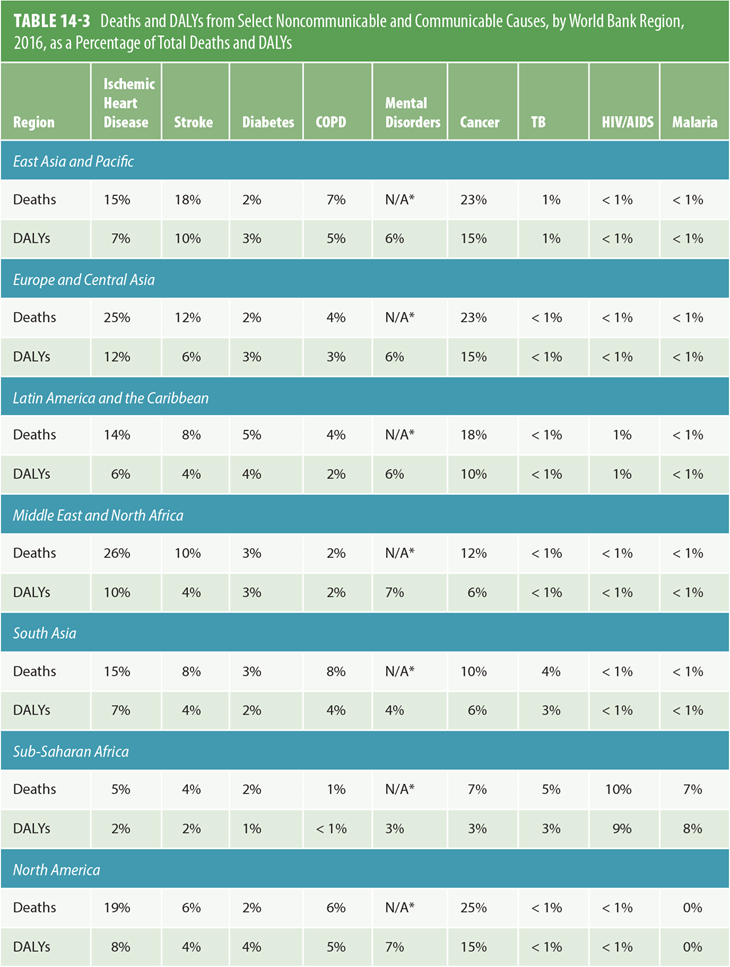
Lets now take a deeper look into some of the most common NCDs including cardiovascular disease (CVD), diabetes, chronic obstructive pulmonary disease and cancer.
Cardiovascular Disease (CVD)
Key facts
- Cardiovascular diseases (CVDs) are the leading cause of death globally.
- An estimated 17.9 million people died from CVDs in 2019, representing 32% of all global deaths. Of these deaths, 85% were due to heart attack and stroke.
- Over three quarters of CVD deaths take place in low- and middle-income countries.
- Out of the 17 million premature deaths (under the age of 70) due to noncommunicable diseases in 2019, 38% were caused by CVDs.
- Most cardiovascular diseases can be prevented by addressing behavioural risk factors such as tobacco use, unhealthy diet and obesity, physical inactivity and harmful use of alcohol.
- It is important to detect cardiovascular disease as early as possible so that management with counselling and medicines can begin.
What are cardiovascular diseases?
Cardiovascular diseases (CVDs) are a group of disorders of the heart and blood vessels. They include:
- Coronary heart disease – a disease of the blood vessels supplying the heart muscle;
- Cerebrovascular disease – a disease of the blood vessels supplying the brain;
- Peripheral arterial disease – a disease of blood vessels supplying the arms and legs;
- Rheumatic heart disease – damage to the heart muscle and heart valves from rheumatic fever, caused by streptococcal bacteria;
- Congenital heart disease – birth defects that affect the normal development and functioning of the heart caused by malformations of the heart structure from birth; and
- Deep vein thrombosis and pulmonary embolism – blood clots in the leg veins, which can dislodge and move to the heart and lungs.
Heart attacks and strokes are usually acute events and are mainly caused by a blockage that prevents blood from flowing to the heart or brain. The most common reason for this is a build-up of fatty deposits on the inner walls of the blood vessels that supply the heart or brain. Strokes can be caused by bleeding from a blood vessel in the brain or from blood clots.
What are the risk factors for cardiovascular disease?
The most important behavioral risk factors of heart disease and stroke are unhealthy diet, physical inactivity, tobacco use and harmful use of alcohol. The effects of behavioral risk factors may show up in individuals as raised blood pressure, raised blood glucose, raised blood lipids, and overweight and obesity. These “intermediate risks factors” can be measured in primary care facilities and indicate an increased risk of heart attack, stroke, heart failure and other complications.
Cessation of tobacco use, reduction of salt in the diet, eating more fruit and vegetables, regular physical activity and avoiding harmful use of alcohol have been shown to reduce the risk of cardiovascular disease. Health policies that create conducive environments for making healthy choices affordable and available are essential for motivating people to adopt and sustain healthy behaviors.
There are also a number of underlying determinants of CVDs. These are a reflection of the major forces driving social, economic and cultural change – globalization, urbanization and population ageing. Other determinants of CVDs include poverty, stress and hereditary factors.
In addition, drug treatment of hypertension, diabetes and high blood lipids are necessary to reduce cardiovascular risk and prevent heart attacks and strokes among people with these conditions.
What are common symptoms of cardiovascular diseases?
Symptoms of heart attacks and strokes
Often, there are no symptoms of the underlying disease of the blood vessels. A heart attack or stroke may be the first sign of underlying disease. Symptoms of a heart attack include:
- pain or discomfort in the center of the chest; and/or
- pain or discomfort in the arms, the left shoulder, elbows, jaw, or back.
In addition, the person may experience difficulty in breathing or shortness of breath; nausea or vomiting; light-headedness or faintness; a cold sweat; and turning pale. Women are more likely than men to have shortness of breath, nausea, vomiting, and back or jaw pain.
The most common symptom of a stroke is sudden weakness of the face, arm, or leg, most often on one side of the body. Other symptoms include sudden onset of:
- numbness of the face, arm, or leg, especially on one side of the body;
- confusion, difficulty speaking or understanding speech;
- difficulty seeing with one or both eyes;
- difficulty walking, dizziness and/or loss of balance or coordination;
- severe headache with no known cause; and/or
- fainting or unconsciousness.
People experiencing these symptoms should seek medical care immediately.
What is rheumatic heart disease?
Rheumatic heart disease is caused by damage to the heart valves and heart muscle from the inflammation and scarring caused by rheumatic fever. Rheumatic fever is caused by an abnormal response of the body to infection with streptococcal bacteria, which usually begins as a sore throat or tonsillitis in children.
Rheumatic fever mostly affects children in developing countries, especially where poverty is widespread. Globally, about 2% of deaths from cardiovascular diseases are related to rheumatic heart disease.
Symptoms of rheumatic heart disease
Symptoms of rheumatic heart disease include: shortness of breath, fatigue, irregular heartbeats, chest pain and fainting.
Symptoms of rheumatic fever include: fever, pain and swelling of the joints, nausea, stomach cramps and vomiting.
Why are cardiovascular diseases a development issue in low- and middle-income countries?
At least three-quarters of the world’s deaths from CVDs occur in low- and middle-income countries. People living in low- and middle-income countries often do not have the benefit of primary health care programs for early detection and treatment of people with risk factors for CVDs. People in low- and middle-income countries who suffer from CVDs and other noncommunicable diseases have less access to effective and equitable health care services which respond to their needs. As a result, for many people in these countries detection is often late in the course of the disease and people die at a younger age from CVDs and other noncommunicable diseases, often in their most productive years.
The poorest people in low- and middle-income countries are most affected. At the household level, evidence is emerging that CVDs and other noncommunicable diseases contribute to poverty due to catastrophic health spending and high out-of-pocket expenditure. At the macro-economic level, CVDs place a heavy burden on the economies of low- and middle-income countries.
How can the burden of cardiovascular diseases be reduced?
The key to cardiovascular disease reduction lies in the inclusion of cardiovascular disease management interventions in universal health coverage packages, although in a high number of countries health systems require significant investment and reorientation to effectively manage CVDs.
Evidence from 18 countries has shown that hypertension programs can be implemented efficiently and cost-effectively at the primary care level which will ultimately result in reduced coronary heart disease and stroke. Patients with cardiovascular disease should have access to appropriate technology and medication. Basic medicines that should be available include:
- aspirin;
- beta-blockers;
- angiotensin-converting enzyme inhibitors; and
- statins.
An acute event such as a heart attack or stroke should be promptly managed.
Sometimes, surgical operations are required to treat CVDs. They include:
- coronary artery bypass;
- balloon angioplasty (where a small balloon-like device is threaded through an artery to open the blockage);
- valve repair and replacement;
- heart transplantation; and
- artificial heart operations.
Medical devices are required to treat some CVDs. Such devices include pacemakers, prosthetic valves, and patches for closing holes in the heart.
Diabetes
Key facts
- The number of people with diabetes rose from 108 million in 1980 to 422 million in 2014. Prevalence has been rising more rapidly in low- and middle-income countries than in high-income countries.
- Diabetes is a major cause of blindness, kidney failure, heart attacks, stroke, and lower limb amputation.
- Between 2000 and 2016, there was a 5% increase in premature mortality from diabetes.
- In 2019, an estimated 1.5 million deaths were directly caused by diabetes. Another 2.2 million deaths were attributable to high blood glucose in 2012.
- A healthy diet, regular physical activity, maintaining a normal body weight and avoiding tobacco use are ways to prevent or delay the onset of type 2 diabetes.
- Diabetes can be treated, and its consequences avoided or delayed with diet, physical activity, medication and regular screening and treatment for complications.
What is Diabetes?
Diabetes is a chronic disease that occurs either when the pancreas does not produce enough insulin or when the body cannot effectively use the insulin it produces. Insulin is a hormone that regulates blood sugar. Hyperglycemia, or raised blood sugar, is a common effect of uncontrolled diabetes and over time leads to serious damage to many of the body’s systems, especially the nerves and blood vessels.
In 2014, 8.5% of adults aged 18 years and older had diabetes. In 2019, diabetes was the direct cause of 1.5 million deaths. To present a more accurate picture of the deaths causes by diabetes, however, deaths due to higher-than-optimal blood glucose through cardiovascular disease, chronic kidney disease and tuberculosis should be added. In 2012 (year of the latest available data), there were another 2.2 million deaths due to high blood glucose.
Between 2000 and 2016, there was a 5% increase in premature mortality from diabetes. In high-income countries the premature mortality rate due to diabetes decreased from 2000 to 2010 but then increased in 2010-2016. In lower-middle-income countries, the premature mortality rate due to diabetes increased across both periods.
By contrast, the probability of dying from any one of the four main noncommunicable diseases (cardiovascular diseases, cancer, chronic respiratory diseases, or diabetes) between the ages of 30 and 70 decreased by 18% globally between 2000 and 2016.
Type 2 diabetes
Type 2 diabetes (formerly called non-insulin-dependent, or adult-onset) results from the body’s ineffective use of insulin. Most people with diabetes have type 2 diabetes. This type of diabetes is largely the result of excess body weight and physical inactivity.
Symptoms may be similar to those of type 1 diabetes but are often less marked. As a result, the disease may be diagnosed several years after onset, after complications have already arisen.
Until recently, this type of diabetes was seen only in adults, but it is now also occurring increasingly frequently in children.
Type 1 diabetes
Type 1 diabetes (previously known as insulin-dependent, juvenile or childhood-onset) is characterized by deficient insulin production and requires daily administration of insulin. Neither the cause of Type 1 diabetes nor the means to prevent it are known.
Symptoms include excessive excretion of urine (polyuria), thirst (polydipsia), constant hunger, weight loss, vision changes, and fatigue. These symptoms may occur suddenly.
Gestational diabetes
Gestational diabetes is hyperglycemia with blood glucose values above normal but below those diagnostic of diabetes. Gestational diabetes occurs during pregnancy
Women with gestational diabetes are at an increased risk of complications during pregnancy and at delivery. These women and possibly their children are also at increased risk of type 2 diabetes in the future.
Gestational diabetes is diagnosed through prenatal screening, rather than through reported symptoms.
Impaired glucose tolerance and impaired fasting glycaemia
Impaired glucose tolerance (IGT) and impaired fasting glycaemia (IFG) are intermediate conditions in the transition between normality and diabetes. People with IGT or IFG are at high risk of progressing to type 2 diabetes, although this is not inevitable.
Health impact
Over time, diabetes can damage the heart, blood vessels, eyes, kidneys, and nerves.
- Adults with diabetes have a two- to three-fold increased risk of heart attacks and strokes.
- Combined with reduced blood flow, neuropathy (nerve damage) in the feet increases the chance of foot ulcers, infection and eventual need for limb amputation.
- Diabetic retinopathy is an important cause of blindness, and occurs as a result of long-term accumulated damage to the small blood vessels in the retina. Diabetes is the cause of 2.6% of global blindness.
- Diabetes is among the leading causes of kidney failure.
Prevention
Simple lifestyle measures have been shown to be effective in preventing or delaying the onset of type 2 diabetes. To help prevent type 2 diabetes and its complications, people should:
- achieve and maintain a healthy body weight.
- be physically active – doing at least 30 minutes of regular, moderate-intensity activity on most days. More activity is required for weight control.
- eat a healthy diet, avoiding sugar and saturated fats; and
- avoid tobacco use – smoking increases the risk of diabetes and cardiovascular disease.
Diagnosis and treatment
Early diagnosis can be accomplished through relatively inexpensive testing of blood sugar.
Treatment of diabetes involves diet and physical activity along with lowering of blood glucose and the levels of other known risk factors that damage blood vessels. Tobacco use cessation is also important to avoid complications.
Interventions that are both cost-saving and feasible in low- and middle-income countries include:
- blood glucose control, particularly in type 1 diabetes. People with type 1 diabetes require insulin, people with type 2 diabetes can be treated with oral medication but may also require insulin.
- blood pressure control; and
- foot care (patient self-care by maintaining foot hygiene; wearing appropriate footwear; seeking professional care for ulcer management; and regular examination of feet by health professionals).
Other cost saving interventions include:
- screening and treatment for retinopathy (which causes blindness);
- blood lipid control (to regulate cholesterol levels);
- screening for early signs of diabetes-related kidney disease and treatment.
Chronic Obstructive Pulmonary Disease (COPD)
Key facts
- Chronic Obstructive Pulmonary Disease (COPD) is the third leading cause of death worldwide, causing 3.23 million deaths in 2019 [1].
- Over 80% of these deaths occurred in low- and middle-income countries (LMIC).
- COPD causes persistent and progressive respiratory symptoms, including difficulty in breathing, cough and/or phlegm production.
- COPD results from long-term exposure to harmful gases and particles combined with individual factors, including events which influence lung growth in childhood and genetics.
- Environmental exposure to tobacco smoke, indoor air pollution, and occupational dusts, fumes, and chemicals are important risk factors for COPD.
- Early diagnosis and treatment, including smoking cessation support, is needed to slow the progression of symptoms and reduce flare-ups.
What is COPD?
COPD is a common, preventable, and treatable chronic lung disease which affects men and women worldwide. Abnormalities in the small airways of the lungs lead to limitation of airflow in and out of the lungs. A number of processes cause the airways to become narrow. There may be destruction of parts of the lung, mucus blocking the airways, and inflammation and swelling of the airway lining.
COPD is sometimes called “emphysema” or “chronic bronchitis”. Emphysema usually refers to destruction of the tiny air sacs at the end of the airways in the lungs. Chronic bronchitis refers to a chronic cough with the production of phlegm resulting from inflammation in the airways. COPD and asthma share common symptoms (cough, wheeze, and difficulty breathing) and people may have both conditions.
The impact of COPD on daily life
Common symptoms of COPD develop from mid-life onwards, including:
- breathlessness or difficulty breathing;
- chronic cough, often with phlegm; and/or
- tiredness.
As COPD progresses, people find it more difficult to carry out their normal daily activities, often due to breathlessness. There may be a considerable financial burden due to limitation of workplace and home productivity, and costs of medical treatment.
During flare-ups, people with COPD find their symptoms become much worse – they may need to receive extra treatment at home or be admitted to hospital for emergency care. Severe flare-ups can be life-threatening. People with COPD often have other medical conditions such as heart disease, osteoporosis, musculoskeletal disorders, lung cancer, depression, and anxiety.
Causes of COPD
COPD develops gradually over time, often resulting from a combination of risk factors:
- tobacco exposure – from active smoking or passive exposure to second-hand smoke;
- occupational exposure to dusts, fumes, or chemicals;
- indoor air pollution – biomass fuel (wood, animal dung, crop residue) or coal is frequently used for cooking and heating in low- and middle-income countries with high levels of smoke exposure;
- early life events such as poor growth in utero, prematurity, and frequent or severe respiratory infections in childhood that prevent maximum lung growth;
- asthma in childhood; and/or
- a rare genetic condition called alpha-1 antitrypsin deficiency, which can cause COPD at a young age.
Reducing the burden of COPD
There is no cure for COPD but early diagnosis and treatment are important to slow the progression of symptoms and reduce the risk of flare-ups. COPD should be suspected if a person has typical symptoms, and the diagnosis confirmed by a breathing test called “spirometry” which measures how the lungs are working. In low- and middle-income countries, spirometry is often not available and so the diagnosis may be missed. There are several actions that people with COPD can take to improve their overall health and help control their COPD:
- stop smoking – people with COPD should be offered support to quit smoking;
- take regular exercise; and
- get vaccinated against pneumonia, influenza and coronavirus.
Inhaled medication can be used to improve symptoms and reduce flare-ups. There are different types of inhaled medication which work in different ways and can be given in combination inhalers, if available. Some inhalers open the airways – they may be given regularly to prevent or reduce symptoms, and to relieve symptoms during acute flare-ups. Inhaled corticosteroids are sometimes given in combination with these to reduce inflammation in the lungs. Inhalers must be taken using the correct technique, and in some cases with a “spacer” device to help deliver the medication into the airways more effectively. Access to inhalers is limited in many low- and middle-income countries – in 2019 salbutamol inhalers were generally available in primary care public health facilities in approximately half of low-income countries.
Flare-ups are often caused by a respiratory infection – people may be given an antibiotic and/or steroid tablets, in addition to inhaled or nebulized treatment as needed. People living with COPD must be given information about their condition, treatment, and self-care, to help them to stay as active and healthy as possible.
Cancer
Key facts
- Approximately 70% of deaths from cancer occur in low- and middle-income countries.
- Around one-third of deaths from cancer are due to tobacco use, high body mass index, alcohol use, low fruit and vegetable intake, and lack of physical activity.
- Cancer-causing infections, such as hepatitis and human papillomavirus (HPV), are responsible for approximately 30% of cancer cases in low- and lower-middle-income countries.
- Late-stage presentation and lack of access to diagnosis and treatment are common, particularly in low- and middle-income countries. Comprehensive treatment is reportedly available in more than 90% of high-income countries but less than 15% of low-income countries.
- The economic impact of cancer is significant and increasing. The total annual economic cost of cancer in 2010 was estimated at US$ 1.16 trillion.
What is cancer?
Cancer is a generic term for a large group of diseases that can affect any part of the body. Other terms used are malignant tumors and neoplasms. One defining feature of cancer is the rapid creation of abnormal cells that grow beyond their usual boundaries, and which can then invade adjoining parts of the body and spread to other organs; the latter process is referred to as metastasis. Metastases are the primary cause of death from cancer.
The problem
Cancer is a leading cause of death worldwide, accounting for nearly 10 million deaths in 2020. The most common in 2020 (in terms of new cases of cancer) were:
- breast (2.26 million cases);
- lung (2.21 million cases);
- colon and rectum (1.93 million cases);
- prostate (1.41 million cases);
- skin (non-melanoma) (1.20 million cases); and
- stomach (1.09 million cases).
The most common causes of cancer death in 2020 were:
- lung (1.80 million deaths);
- colon and rectum (935 000 deaths);
- liver (830 000 deaths);
- stomach (769 000 deaths); and
- breast (685 000 deaths).
What causes cancer?
Cancer arises from the transformation of normal cells into tumor cells in a multi-stage process that generally progresses from a pre-cancerous lesion to a malignant tumor. These changes are the result of the interaction between a person’s genetic factors and three categories of external agents, including:
- physical carcinogens, such as ultraviolet and ionizing radiation.
- chemical carcinogens, such as asbestos, components of tobacco smoke, aflatoxin (a food contaminant), and arsenic (a drinking water contaminant); and
- biological carcinogens, such as infections from certain viruses, bacteria, or parasites.
WHO, through its cancer research agency, the International Agency for Research on Cancer (IARC), maintains a classification of cancer-causing agents. The incidence of cancer rises dramatically with age, most likely due to a build-up of risks for specific cancers that increase with age. The overall risk accumulation is combined with the tendency for cellular repair mechanisms to be less effective as a person grows older.
Risk factors for cancers
Tobacco use, alcohol use, unhealthy diet, physical inactivity, and air pollution are risk factors for cancer (and other noncommunicable diseases).
Some chronic infections are risk factors for cancer; this is a particular issue in low- and middle-income countries. Approximately 13% of cancers diagnosed in 2018 globally were attributed to carcinogenic infections, including Helicobacter pylori, human papillomavirus (HPV), hepatitis B virus, hepatitis C virus, and Epstein-Barr virus (3).
Hepatitis B and C viruses and some types of HPV increase the risk for liver and cervical cancer, respectively. Infection with HIV substantially increases the risk of cancers such as cervical cancer.
Reducing the cancer burden
Between 30 and 50% of cancers can currently be prevented by avoiding risk factors and implementing existing evidence-based prevention strategies. The cancer burden can also be reduced through early detection of cancer and appropriate treatment and care of patients who develop cancer. Many cancers have a high chance of cure if diagnosed early and treated appropriately.
Preventing cancer
Cancer risk can be reduced by:
- not using tobacco.
- maintaining a healthy body weight.
- eating a healthy diet, including fruit and vegetables.
- doing physical activity on a regular basis.
- avoiding harmful use of alcohol.
- getting vaccinated against HPV and hepatitis B if you belong to a group for which vaccination is recommended.
- avoiding ultraviolet radiation (which primarily results from exposure to the sun and artificial tanning devices);
- ensuring safe and appropriate use of radiation in health care (for diagnostic and therapeutic purposes);
- minimizing occupational exposure to ionizing radiation; and
- reducing exposure to outdoor air pollution and indoor air pollution, including radon (a radioactive gas produced from the natural decay of uranium, which can accumulate in buildings — homes, schools and workplaces).
Early detection
Cancer mortality can be reduced if cases are detected and treated early. There are two components of early detection:
Early diagnosis
When identified early, cancer is more likely to respond to treatment and can result in a greater probability of survival and less morbidity, as well as less expensive treatment. Significant improvements can be made in the lives of cancer patients by detecting cancer early and avoiding delays in care.
Early diagnosis consists of three components:
- being aware of the symptoms of different forms of cancer and of the importance of seeking medical advice if you are concerned.
- access to clinical evaluation and diagnostic services; and
- timely referral to treatment services.
Early diagnosis of symptomatic cancers is relevant in all settings and most cancers. Cancer programs should be designed to reduce delays in, and barriers to, diagnosis, treatment, and care.
Screening
Screening aims to identify individuals with findings suggestive of a specific cancer or pre-cancer before they have developed symptoms. When abnormalities are identified during screening, further tests to establish (or not) a diagnosis should follow, as should referral for treatment if needed.
Screening programs are effective for some but not all cancer types and in general are far more complex and resource-intensive than early diagnosis as they require special equipment and dedicated personnel.
Patient selection for screening programs is based on age and risk factors to avoid excessive false positive studies. Examples of screening methods are:
- HPV testing for cervical cancer.
- the PAP cytology test for cervical cancer.
- visual inspection with acetic acid (VIA) for cervical cancer; and
- mammography screening for breast cancer in settings with strong or relatively strong health systems.
Quality assurance is required for both screening and early diagnosis programs.
Treatment
A correct cancer diagnosis is essential for appropriate and effective treatment because every cancer type requires a specific treatment regimen. Treatment usually includes radiotherapy, chemotherapy and/or surgery. Determining the goals of treatment is an important first step. The primary goal is generally to cure cancer or to considerably prolong life. Improving the patient’s quality of life is also an important goal. This can be achieved by support for the patient’s physical, psychosocial, and spiritual well-being and palliative care in terminal stages of cancer.
Some of the most common cancer types, such as breast cancer, cervical cancer, oral cancer, and colorectal cancer, have high cure rates when detected early and treated according to best practices.
Some cancer types, such as testicular seminoma and different types of leukaemia and lymphoma in children, also have high cure rates if appropriate treatment is provided, even when cancerous cells are present in other areas of the body.
Palliative care
Palliative care is treatment to relieve, rather than cure, symptoms caused by cancer and to improve the quality of life of patients and their families. Palliative care can help people live more comfortably. It is particularly needed in places with a high proportion of patients in advanced stages of cancer where there is little chance of cure.
Relief from physical, psychosocial, and spiritual problems through palliative care is possible for more than 90% of patients with advanced stages of cancer. Effective public health strategies, comprising community- and home-based care, are essential to provide pain relief and palliative care for patients and their families. Improved access to oral morphine is strongly recommended for the treatment of moderate to severe cancer pain, suffered by over 80% of people with cancer in the terminal phase.
Summary Comments on NCDs
There are several challenges surrounding the role of NCDs in the overall global burden of disease profile. The number of new cases of noncommunicable disease will grow because of aging, urbanization, globalization, and lifestyle changes and the number of people with non-communicable disease will also rise because the diseases are chronic. Low-income countries will have to deal with communicable and noncommunicable disease simultaneously, as well as with injuries. To this end it will be important to spread the lessons that the high-income countries have already learned as rapidly as possible to low- and middle-income countries in order to address the coming impact of NCDs in these countries. In particular, lessons will also need to be generated and disseminated on the operational efforts needed to put effective NCD programs in places in low-resource settings.
Next, we turn our attention to the impacts of the demographic transition which tells us that the world is aging with people are living longer (increased life expectancy). Here is a short video refresher on the demographic transition: https://youtu.be/RLmKfXwWQtE
Introduction to Aging
The remarkable improvements in life expectancy over the past century were part of a shift in the leading causes of disease and death. In the past, the major health threats were infectious and parasitic diseases that most often claimed the lives of infants and children. Currently,
noncommunicable diseases that more commonly affect adults and older people impose the greatest burden on global health. Today, the rise of chronic noncommunicable diseases such as heart disease, cancer, and diabetes reflects changes in lifestyle and diet, as well as aging.
Global Health and Aging
| Context: This section is comprised of excerpts from the World Health Organizations Factsheet on Ageing and Health available online from the WHO at: Fact sheets (who.int) and the Global Health and Aging Report available online from the WHO at: untitled (who.int) |
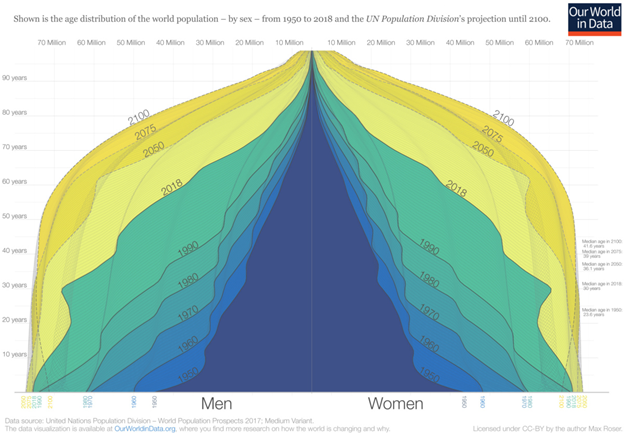
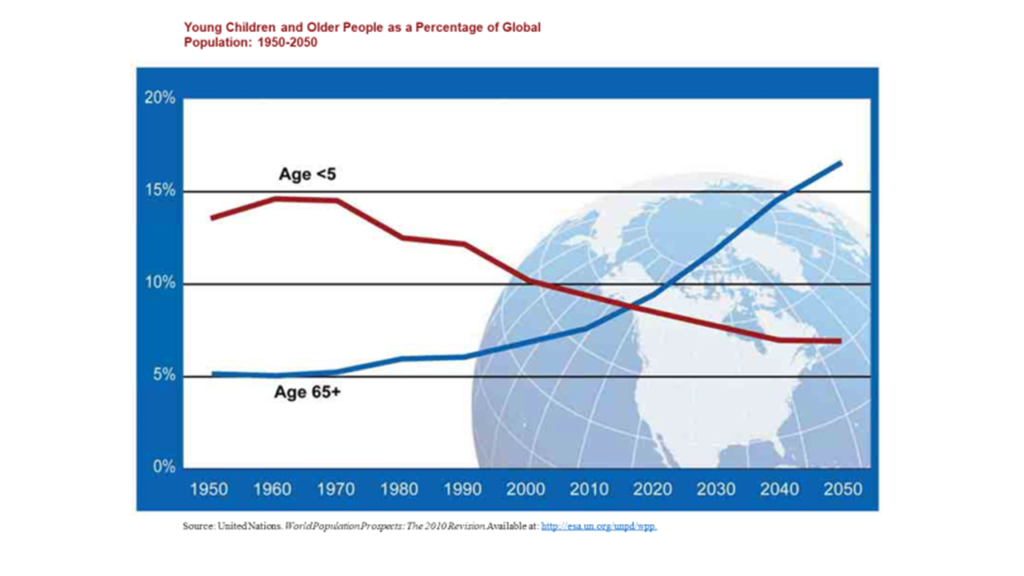
Since the beginning of recorded history, young children have outnumbered their elders. However, In 2018 the number of people older than 64 years old surpassed the number of children under 5 years old. This was the first time in history this was the case. Driven by falling fertility rates and remarkable increases in life expectancy, population aging will continue, even accelerate The number of people aged 65 or older is projected to grow from an estimated 524 million in 2010 to nearly 1.5 billion in 2050, with most of the increase in developing countries.
As both the proportion of older people and the length of life increase throughout the world, key questions arise. Will population aging be accompanied by a longer period of good health, a sustained sense of well-being, and extended periods of social engagement and productivity, or will it be associated with more illness, disability, and dependency? How will aging affect health care and social costs? Are these futures inevitable, or can we act to establish a physical and social infrastructure that might foster better health and wellbeing in older age? How will population aging play out differently for low-income countries that will age faster than their counterparts have, but before they become industrialized and wealthy?
The rising life expectancy within the older population itself is increasing the number and proportion of people at very old ages. The “oldest old” (people aged 85 or older) constitute 8 percent of the world’s 65-and-over population: 12 percent in more developed countries and 6 percent in less developed countries. In many countries, the oldest old are now the fastest growing part of the total population. On a global level, the 85-and-over population is projected to increase 351 percent between 2010 and 2050, compared to a 188 percent increase for the population aged 65 or older and a 22 percent increase for the population under age 65
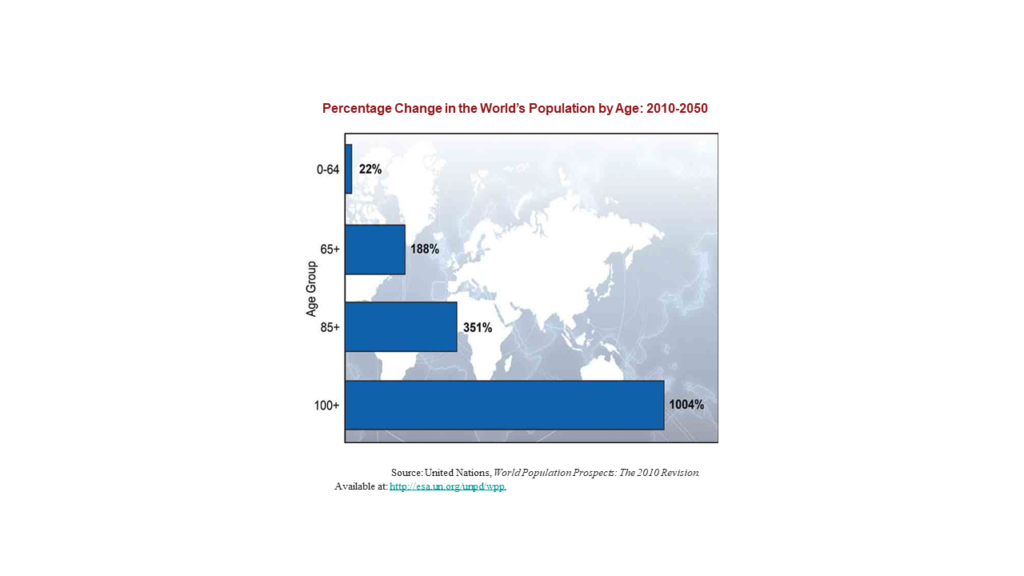
The global number of centenarians is projected to increase 10-fold between 2010 and 2050. In the mid-1990s, some researchers estimated that, over the course of human history, the odds of living from birth to age 100 may have risen from 1 in 20,000,000 to 1 in 50 for females in low- mortality nations such as Japan and Sweden.
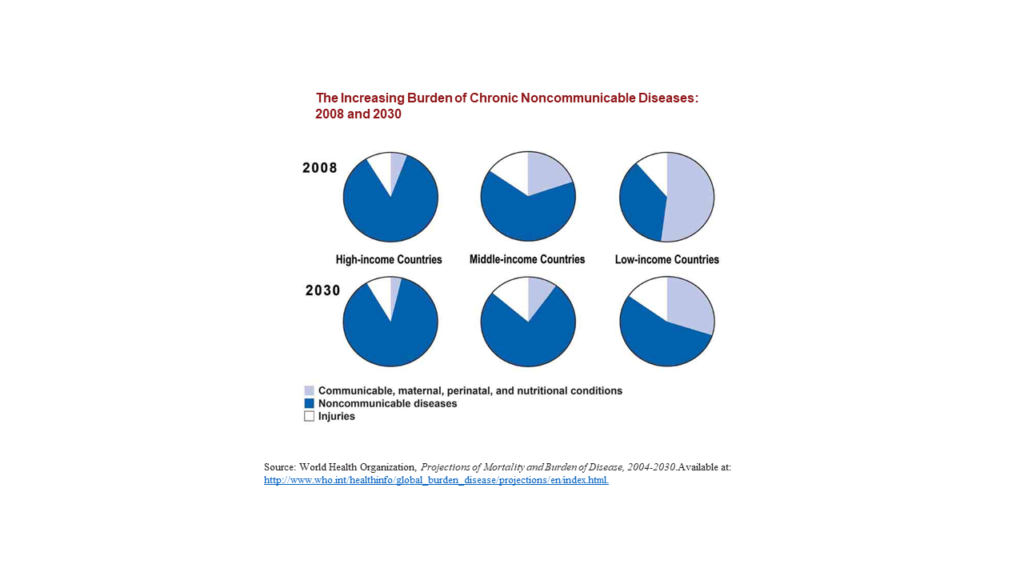
In 2008, noncommunicable diseases accounted for an estimated 86 percent of the burden of disease in high-income countries, 65 percent in middle-income countries, and a surprising 37 percent in low-income countries. By 2030, noncommunicable diseases are projected to account for more than one-half of the disease burden in low-income countries and more than three-fourths in middle-income countries. Infectious and parasitic diseases will account for 30 percent and 10 percent, respectively, in low- and middle-income countries. Among the 60-and-over population, noncommunicable diseases already account for more than 87 percent of the burden in low-, middle-, and high-income countries.
Aging and Health
Key facts
- Between 2015 and 2050, the proportion of the world’s population over 60 years will nearly double from 12% to 22%.
- By 2020, the number of people aged 60 years and older will outnumber children younger than 5 years.
- In 2050, 80% of older people will be living in low- and middle-income countries.
- The pace of population ageing is much faster than in the past.
- All countries face major challenges to ensure that their health and social systems are ready to make the most of this demographic shift.
Overview
People worldwide are living longer. Today most people can expect to live into their sixties and beyond. Every country in the world is experiencing growth in both the size and the proportion of older persons in the population.
By 2030, 1 in 6 people in the world will be aged 60 years or over. At this time the share of the population aged 60 years and over will increase from 1 billion in 2020 to 1.4 billion. By 2050, the world’s population of people aged 60 years and older will double (2.1 billion). The number of persons aged 80 years or older is expected to triple between 2020 and 2050 to reach 426 million.
While this shift in distribution of a country’s population towards older ages – known as population ageing – started in high-income countries (for example in Japan 30% of the population is already over 60 years old), it is now low- and middle-income countries that are experiencing the greatest change. By 2050, two-thirds of the world’s population over 60 years will live in low- and middle-income countries.
Aging explained
At the biological level, ageing results from the impact of the accumulation of a wide variety of molecular and cellular damage over time. This leads to a gradual decrease in physical and mental capacity, a growing risk of disease and ultimately death. These changes are neither linear nor consistent, and they are only loosely associated with a person’s age in years. The diversity seen in older age is not random. Beyond biological changes, ageing is often associated with other life transitions such as retirement, relocation to more appropriate housing and the death of friends and partners.
Common health conditions associated with aging
Common conditions in older age include hearing loss, cataracts and refractive errors, back and neck pain and osteoarthritis, chronic obstructive pulmonary disease, diabetes, depression and dementia. As people age, they are more likely to experience several conditions at the same time.
Older age is also characterized by the emergence of several complex health states commonly called geriatric syndromes. They are often the consequence of multiple underlying factors and include frailty, urinary incontinence, falls, delirium and pressure ulcers.
Factors influencing healthy aging
A longer life brings with it opportunities, not only for older people and their families, but also for societies as a whole. Additional years provide the chance to pursue new activities such as further education, a new career or a long-neglected passion. Older people also contribute in many ways to their families and communities. Yet the extent of these opportunities and contributions depends heavily on one factor: health.
Evidence suggests that the proportion of life in good health has remained broadly constant, implying that the additional years are in poor health. If people can experience these extra years of life in good health and if they live in a supportive environment, their ability to do the things they value will be little different from that of a younger person. If these added years are dominated by declines in physical and mental capacity, the implications for older people and for society are more negative.
Although some of the variations in older people’s health are genetic, most is due to people’s physical and social environments – including their homes, neighbourhoods, and communities, as well as their personal characteristics – such as their sex, ethnicity, or socioeconomic status. The environments that people live in as children – or even as developing fetuses – combined with their personal characteristics, have long-term effects on how they age.
Physical and social environments can affect health directly or through barriers or incentives that affect opportunities, decisions and health behaviour. Maintaining healthy behaviours throughout life, particularly eating a balanced diet, engaging in regular physical activity and refraining from tobacco use, all contribute to reducing the risk of non-communicable diseases, improving physical and mental capacity and delaying care dependency.
Supportive physical and social environments also enable people to do what is important to them, despite losses in capacity. The availability of safe and accessible public buildings and transport, and places that are easy to walk around, are examples of supportive environments. In developing a public-health response to ageing, it is important not just to consider individual and environmental approaches that ameliorate the losses associated with older age, but also those that may reinforce recovery, adaptation and psychosocial growth.
Challenges in responding to population aging
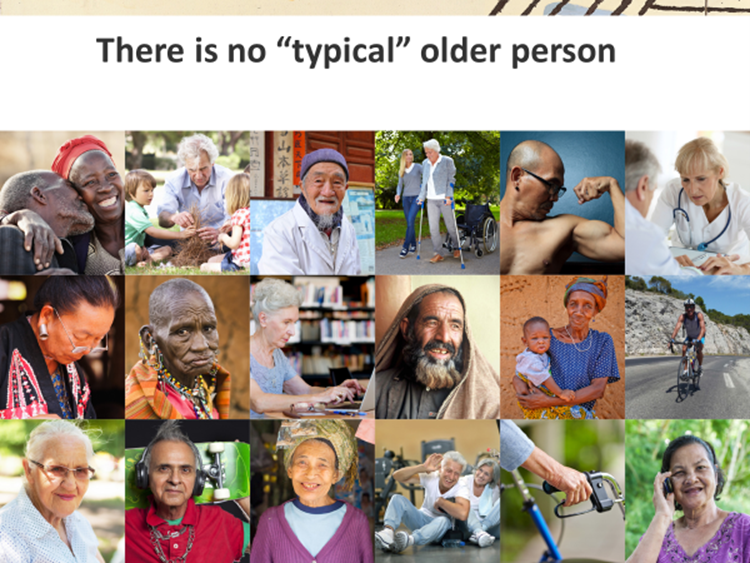
There is no typical older person. Some 80-year-olds have physical and mental capacities similar to many 30-year-olds. Other people experience significant declines in capacities at much younger ages. A comprehensive public health response must address this wide range of older people’s experiences and needs.
The diversity seen in older age is not random. A large part arises from people’s physical and social environments and the impact of these environments on their opportunities and health behaviour. The relationship we have with our environments is skewed by personal characteristics such as the family we were born into, our sex and our ethnicity, leading to inequalities in health.
Older people are often assumed to be frail or dependent and a burden to society. Public health professionals, and society as a whole, need to address these and other ageist attitudes, which can lead to discrimination, affect the way policies are developed and the opportunities older people have to experience healthy aging.
Globalization, technological developments (e.g., in transport and communication), urbanization, migration and changing gender norms are influencing the lives of older people in direct and indirect ways. A public health response must take stock of these current and projected trends and frame policies accordingly.
The UN Decade of Healthy Aging
What is the UN Decade of Healthy Ageing?
The United Nations Decade of Healthy Ageing (2021-2030) is a global collaboration, aligned with the last ten years of the Sustainable Development Goals, that brings together governments, civil society, international agencies, professionals, academia, the media, and the private sector to improve the lives of older people, their families, and the communities in which they live.
Populations around the world are ageing at a faster pace than in the past and this demographic transition will have an impact on almost all aspects of society. Already, there are more than 1 billion people aged 60 years or older, with most living in low- and middle-income countries. Many do not have access to even the basic resources necessary for a life of meaning and of dignity. Many others confront multiple barriers that prevent their full participation in society.
The COVID-19 pandemic has highlighted the seriousness of existing gaps in policies, systems and services. A decade of concerted global action on healthy ageing is urgently needed to ensure that older people can fulfil their potential in dignity and equality and in a healthy environment.
Aging and Health World Report
| Context: This section is comprised of excerpts from the World Health Organizations World Report on Ageing and Health available online from the WHO at: https://g.co/kgs/CCMaQ9 |
We know that populations are getting older overall. The number of people aged 60 years or older will rise from 900 million to 2 billion between 2015 and 2050 (moving from 12% to 22% of the total global population).
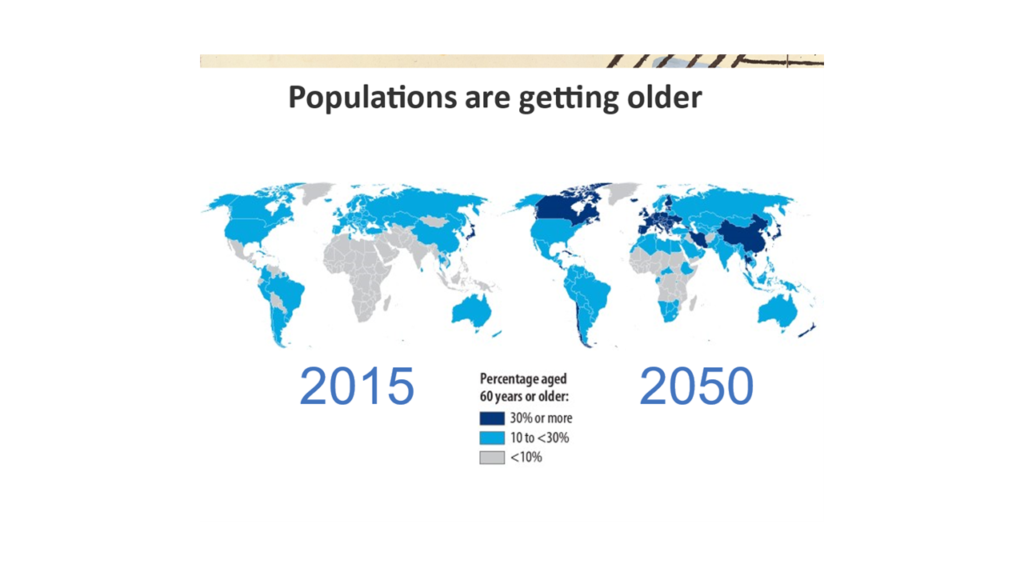
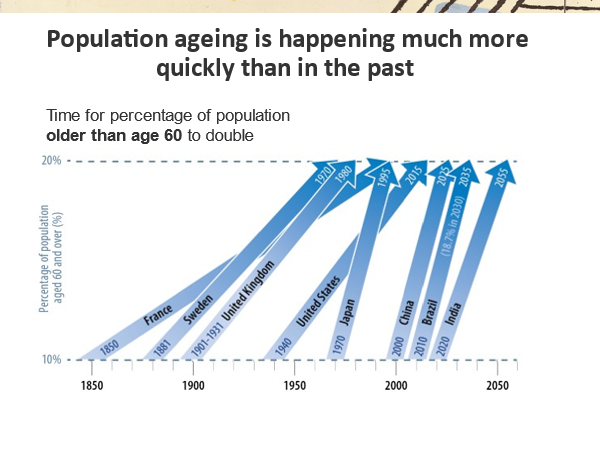
We also know that population ageing is happening much more quickly than in the past.
For example, while France had almost 150 years to adapt to a change from 10% to 20% in the proportion of the population that was older than 60 years, places such as Brazil, China and India will have slightly more than 20 years to make the same adaptation.
There are two key drivers of population ageing. The first is falling fertility rates, and the second is people living longer overall. Overall life expectancy for a baby born today is 71 years.
But a person who is currently 60 years of age can expect to live 20 years more, on average.
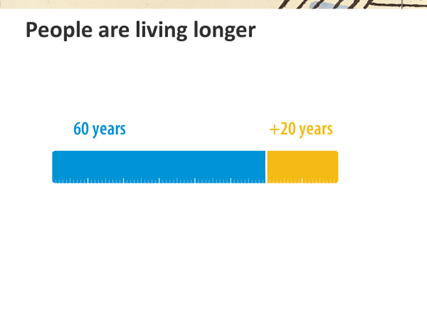
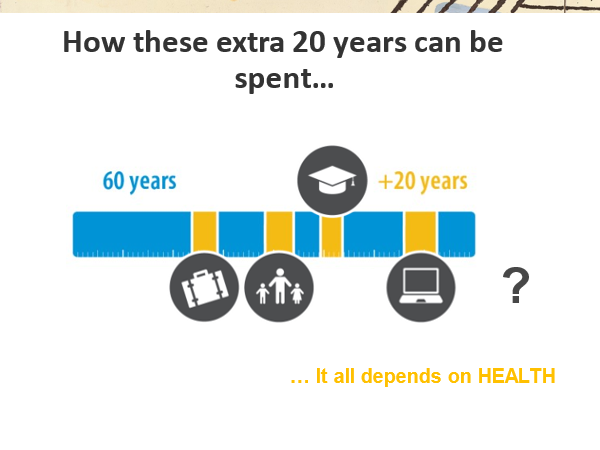
A longer life brings with it opportunities, not only for older people and their families, but also for societies as a whole. Additional years provide the chance to pursue new activities such as further education, a new career or pursuing a long neglected passion. Older people also contribute in many ways to their families and communities. Yet the extent of these opportunities and contributions depends heavily on one factor: health.
Health in older age is not random.
Only a small proportion is due to genetic inheritance. Most is due to ongoing interactions between broader characteristics of individuals and the environments they inhabit.
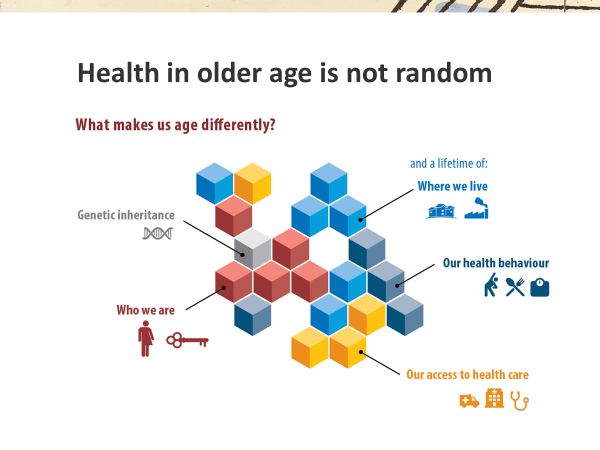
Our personal characteristics include factors such as our sex and ethnicity, as well as our occupation, educational attainment, and wealth. These contribute to our social position and to our ability to access resources.
Our environments include our home, neighbourhood and community. Factors that influence ageing include where we live, our transportation options, and the health-care systems and long-term care systems that we can access.
The relationship we have with our environments varies according to many personal characteristics, including the family we were born into, our sex and our ethnicity. The influences of environments are often fundamentally skewed by these characteristics, leading to differences in how people age, and where these are unfair and avoidable, to health inequities.
Importantly, these factors start to interact with each other and to influence ageing from childhood, onwards. Indeed, a significant proportion of the vast diversity of capacity and circumstance that we see in older age is likely to be underpinned by the cumulative impact of person-environment interactions across the life course.
Biological ageing is only loosely associated with person age in years. Some 80 year-olds have physical and mental capacities similar to many 20 year-olds. Others experience declines in physical and mental capacities at much younger ages.
Although there is no typical older person, society often views older people in stereotypical ways that can lead to discrimination against individuals or groups simply based on their age.
This has been labelled ageism, and this may now be an even more pervasive form of discrimination than sexism or racism. One widespread ageist stereotype of older people is that they are dependent or a burden. This can lead to an assumption during policy making that spending on older people is simply a drain on economies and to emphasize costs containment.
Lack of accessibility to housing, transportation, social facilities all limit older people’s ability to participate.
Inadequate or absent service are widespread barriers. For example health systems are often designed to cure acute conditions or systems and manage health issues in disconnected and fragmented ways, that lack coordination across care providers, settings etc. Long-term care systems in many countries do not existing placing an unsustainable burden on families – most women -.
Lack of consultation and involvement of older people in the decisions that affect their lives.
In reality, older people make many positive contributions to society; and health and social care expenditures for older people are an investment rather than a cost. These investments bring benefits to older people and returns for society as a whole.
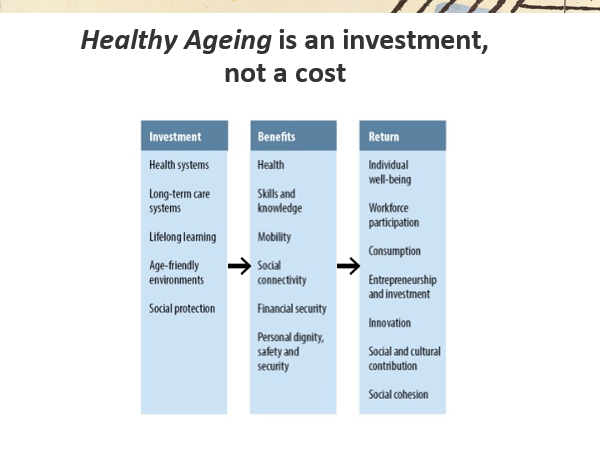
The goal ofhealthy ageingis to help people develop and maintain the functional ability that enables well-being. This goal is relevant for every older person. Functional ability requires efforts to build and maintain the physical and mental capacities across the life course and into older age and to provide the support a person needs to compensate for losses in these capacities that will likely occur over time. Investing in both areas – maximizing capacity and ability– will enable older people to continue to do the things that are important to them. Maximizing functional ability is the primary goal of policies to promote healthy aging.
Health systems need to be realigned to the needs of the older populations they now serve. Most health systems around the world are ill-prepared to address the needs of older people, who often have multiple chronic conditions or geriatric syndromes. Systems must be capable of providing older person-centered and integrated care and focus on maintaining capacities as people age.
First is recognizing the need to be to put older people at the center of health care.
This will require focusing on their unique needs and preferences and including them as active participants in care planning and in managing their health states. But changes are needed to systems, too. Health services must be better integrated between levels and across specialist groupings. Much better coordination is needed with long-term care systems, and possibly formal integration as well. Case management, support for self-management, and support for ageing in place need to be woven into the fabric of health care for older people.
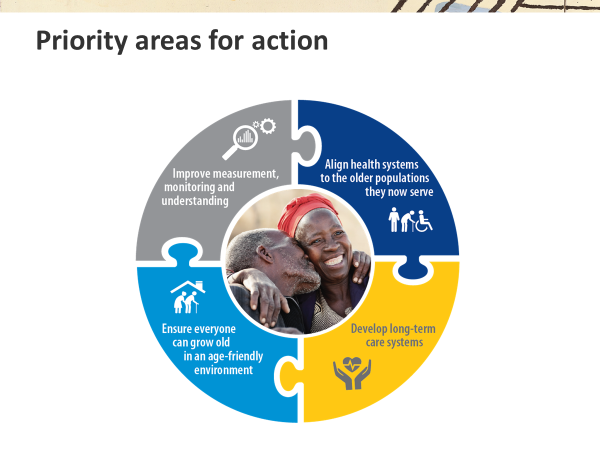
The Four Point Action Plan
| Align Health Systems | Develop Long Term Care Systems |
| Shift the care focus from managing diseases to optimizing what people can do Develop the health workforce | Establish the foundation for a functioning system Develop the long-term care workforce Ensure the quality of long-term care |
| Ensure Age-Friendly Environments | Improve Measurement, Monitoring & Understanding |
| Combat ageism Enable autonomy Support Healthy Ageing in all policies | Agree on metrics, measures and analytical approaches Improve understanding of the health status and needs of older populations Increase understanding of ageing trajectories and what can be done to improve them |
These changes appear to be both affordable and sustainable. Although much of the debate on population aging assumes it will be associated with an unmanageable increase in the demand for services, the evidence suggests it will be a much less significant driver of inflation in health-care costs than factors such as new technologies and changes in clinical practice. Integrated and person-centered approaches have been shown to not only have better outcomes for older people but also to be no more expensive than traditional services.
So in summary, healthy aging can be promoted through action in different areas and investing inHealthy Aging means helping to create a future that gives older people the freedom to live lives that previous generations could never have imagined.
Women and Aging
Older women and aging is a neglected area in current global health work. It has been said that “ Older women’s experience of work is unrelenting, physically and emotionally challenging, and underpaid or unremunerated.“ As we have seen the world population is aging, and women are the majority of those considered to be older. Older people are often presented as a burden; dependents who take but do not provide. However, in LMIC, women over the age of 60:
- take care of their grandchildren,
- grow food for family consumption,
- carry out work in community projects, and
- earn money, generally in precarious informal work, to support themselves and their families.
When it comes to older women and being paid for work we notice that in low and middle-income countries, pre-COVID-19, around one in seven women aged 65+ were in the labor force. In Sub Saharan Africa the rate is even higher with two in five older women working. This compares to one in ten older women in the labor force in high income countries. Interestingly, the proportion of older women in the labor force globally has increased since 1990 but has reduced for older men.
When older women are able to leave the formal workforce, only about 20 percent of older people in low-income countries have access to a pension – and older women are less likely to have access to pensions than men. Globally, more than two-thirds of older people above retirement age receive a pension – in Europe, 95 per cent of older people have access to a pension, while in Sub-Saharan Africa, Southern Asia and Arab states the average is less than 30 per cent. In addition, pre-COVID-19, older women globally were doing 4.3 hours per day unpaid care and domestic work on average – this is likely to have increased during the pandemic. This work is not counted or reimbursed because it is often considered to be hidden
Why is older women’s work hidden?
- Systemic gender-based inequalities which accumulate throughout women’s lives, ageism, and a lack of public awareness are leaving older women in many contexts facing high exposure to discrimination, exclusion, poverty and health inequalities.
- The unpaid care work of all women is often not included in economic measures and policy planning, despite the inability of economies to function without it.
These social and structural inequities have led some women’s advocacy coalitions to partner with global aging coalitions in a Call to Action on Human Rights! They are calling for economic justice for older women in all their diversity means having access to rights relating to:
- secure income
- choice over employment
- decent working conditions
- social protection
- affordable healthcare and long-term care for themselves and their families
- financial inclusion
In this section we reviewed Group II (2) Non-Communicable Diseases (NCDs) and took an in-depth look at several of the most common types of NCDs. We also investigated how increased life expectancy and the aging of the global population (particularly in women) will impact on the future of global health and the change in overall disease burden noting the shift from communicable diseases to non-communicable diseases as is often referred to as the epidemiologic transition.
